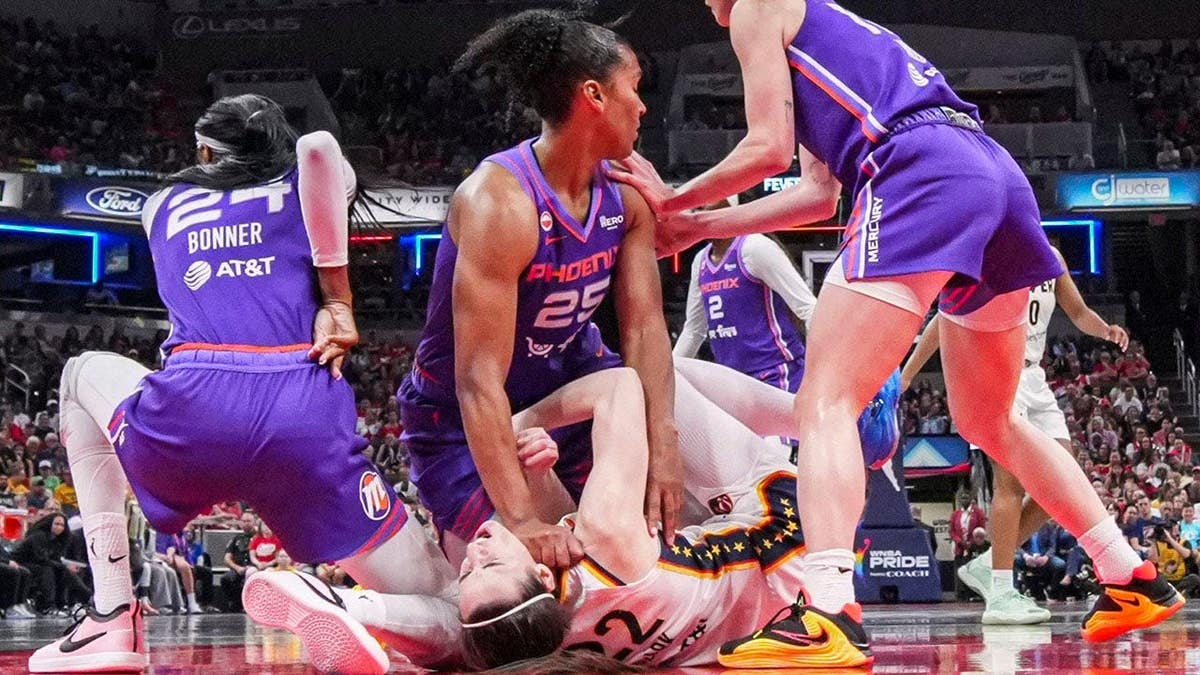
The WNBA’s decision to suspend Alyssa Thomas for her action against Caitlin Clark has sparked intense debate. The incident occurred when Thomas hit Clark in the throat during a game. Initially, officials missed the call, but the league later upgraded the incident to a Flagrant 2 foul, enforcing a one-game suspension.
Some analysts, including ESPN’s Chiney Ogwumike, attempted to defend Thomas’s actions. Ogwumike suggested that the issue was not so much about the physical contact but rather how it was presented through media and social optics. Her comments insinuated that Clark was prone to exaggerating contact, which drew criticism from many viewers.
“When you look at Alyssa Thomas and Caitlin Clark, both are dominant players,” Ogwumike noted. “I know her, and Caitlin, at times, can embellish contact.”
This perspective faced backlash, as it seemingly shifted focus from Thomas’s responsibility to the aftermath of the freeze-frame images circulated online. Critics argued that the league acted reactively, addressing the optics rather than the incident’s nature.
Comments from well-known sports figures like former NFL lineman Geoff Schwartz dismissed Ogwumike’s narrative. Schwartz and others on social media challenged the reasoning, emphasizing the league’s decision as correct and necessary given the circumstances.
Former WNBA star Lisa Leslie also commented on the situation, highlighting the need for better officiating standards. As the discussion continues, it is evident that framing the suspension as an image problem detracts attention from the importance of accountability on the court.
The ongoing conversation raises questions about player protection and official consistency in the WNBA. For some, the league’s focus appears skewed towards defending enforcers rather than ensuring player safety, especially when confronting high-profile conflicts involving stars like Caitlin Clark.
Leave a Reply