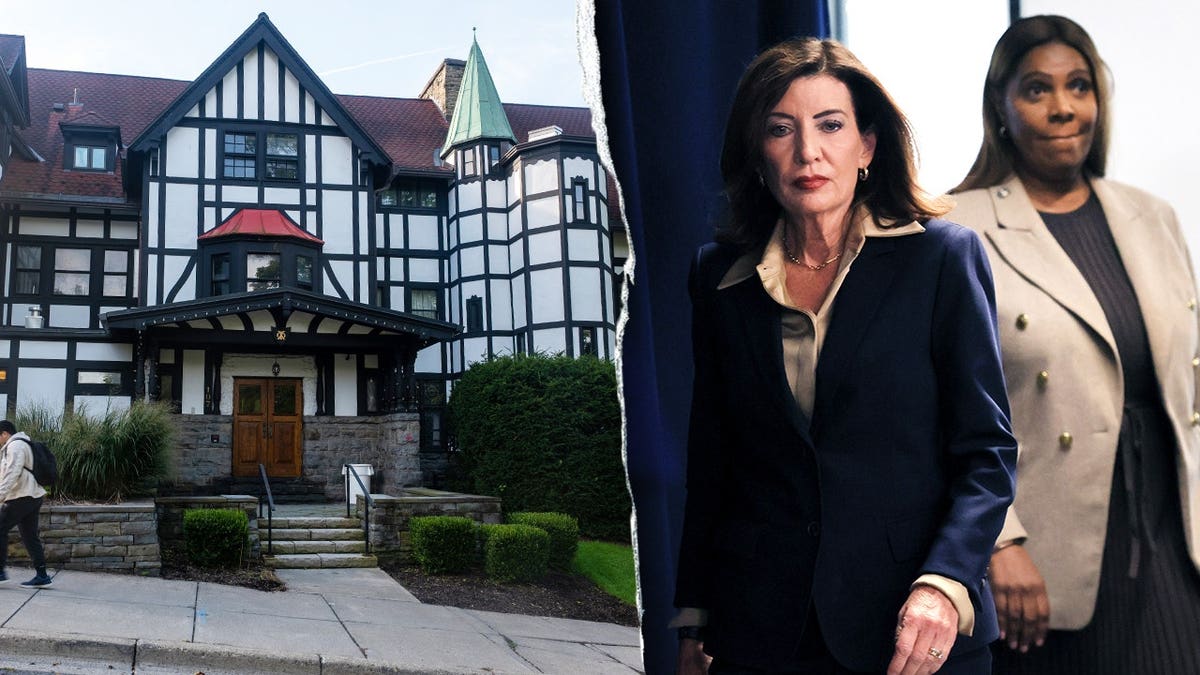
A controversial incident at Cornell University from two years ago has become a national topic, igniting intense discussions about consent, sex, and crime in college environments. The controversy centers on a civil lawsuit involving seven former Chi Phi fraternity members accused of drugging and assaulting a female student known in the case as Jane Doe.
The lawsuit claims that the men forced Doe to take drugs at their fraternity event in October 2024. Although they deny these allegations, claiming the interactions were consensual, no criminal charges have been filed.
Conflicting Narratives
A significant issue in this case is the conflicting accounts of the event. Jane Doe alleges she was assaulted by multiple fraternity members after becoming severely intoxicated. According to court documents, she started drinking at her sorority house, attended a sorority event, and visited several bars before arriving at the fraternity house.
In her complaint, Doe describes being given a beer and subjected to a threesome proposal upon her arrival. The men, she claims, pressured her into consuming ketamine and engaging in non-consensual sexual acts.
Snapchat Evidence
Screenshots from the fraternity’s Snapchat group show messages that seem to encourage members to participate in the situation. A message referencing ‘free p—y’ was allegedly sent to all active fraternity members.
Subsequent Developments
In interviews following the incident, Doe gave mixed accounts of her experiences. While initially suggesting some level of consent, other statements indicate she felt she was drugged and assaulted. Medical records show that Doe sought treatment for a urinary tract infection and STD testing, describing her ordeal as traumatic.
After finding online posts referencing a ‘gang bang’ involving fraternity members, Doe reevaluated her experience, later reporting most of the sexual encounters as non-consensual.
Legal and University Responses
The lawsuit, filed nearly two years later, accuses not only the fraternity members but also Cornell University and others of failing to prevent the incident. It has raised questions about why criminal charges were never pursued initially. District Attorney Matthew Van Houten cites an earlier sworn statement from Doe that didn’t explicitly claim she was drugged or gang-raped.
In light of the new lawsuit, Van Houten opened a fresh investigation, reconsidering the case. Cornell University has faced criticism over its handling of the allegations, prompting it to conduct an independent review of the case.
Institutional Review and Consequences
The university enacted disciplinary actions separate from the criminal system. Some fraternity members were expelled or suspended based on its Title IX process. Cornell faces intensified scrutiny over its campus environment after a concerning 2025 survey revealed high rates of nonconsensual sexual contact among female undergraduates.
New York Governor Kathy Hochul appointed the Attorney General’s Office to investigate the case, reinforcing the state’s commitment to resolving these allegations transparently.
Leave a Reply