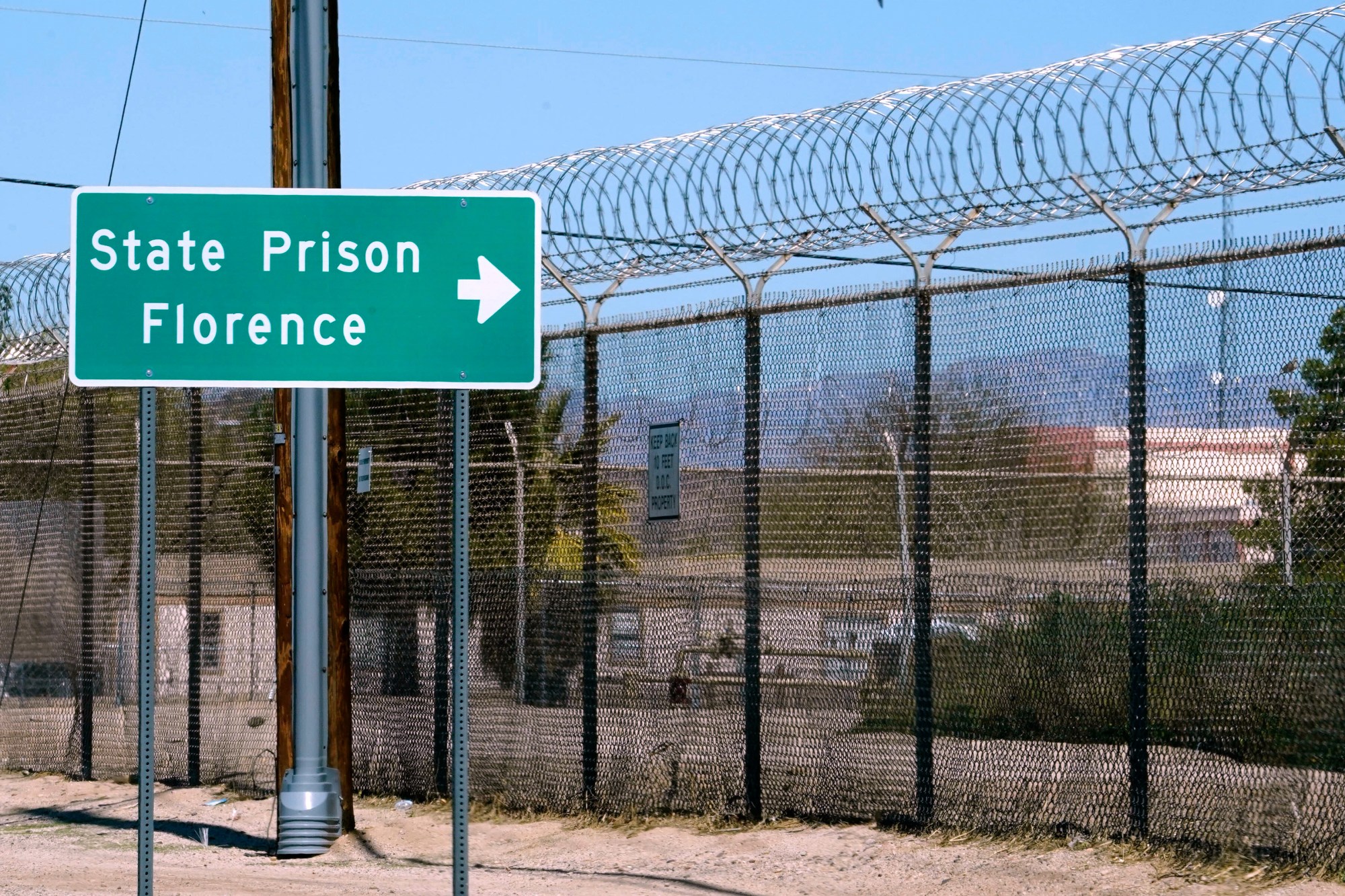
On October 1, the Supreme Court refused Arizona’s request to delay a court-ordered management change of health care in its prisons. This legal action was initiated in 2012, aiming to address the state’s inadequate medical care for inmates. Over the years, Arizona has been slow to improve the situation, repeatedly facing legal challenges and showing minimal progress in enhancing health services for its prisoners.
In 2022, U.S. District Judge Roslyn Silver asserted that Arizona has persistently failed to ensure a constitutionally acceptable medical and mental health care system for its prison population. Her ruling highlighted the shortage of health care staff needed to treat approximately 25,000 incarcerated individuals in state-run prisons. This shortage has not been adequately addressed by corrections officials.
The issues observed by Judge Silver are not exclusive to Arizona. Across the United States, prisons face a health care crisis that transforms imprisonment into a traumatic experience for many. An example is Joseph Assyd, who died at 64 while imprisoned in Arizona in 2020. Assyd, who suffered unresponsiveness due to hypoglycemia, awaited essential medical attention but was not seen by a provider until two weeks after his condition worsened. An improper documentation of his vital signs delayed his medical referral, contributing to his death.
Another case is Tallie Dillard, a 53-year-old woman in the Federal Correctional Institution in Greenville, Florida. Despite suffering from severe health issues, Dillard has been unable to receive the necessary medical care. Her ailments include a heart murmur, kidney failure, an abdominal cyst, and a liver lesion. Her grievances regarding medical neglect remain unaddressed.
These cases, representative of broader systemic issues, highlight the inadequate prison health care system. In response, Judge Silver placed the Arizona prison system under receivership last February. She cited persistent non-compliance and violations, noting the ongoing unconstitutional practices that lead to preventable suicides and deaths, and untreated severe pain.
Judge Silver’s decision reflects a constitutional duty. Fifty years ago, the Supreme Court ruled that failing to provide proper medical care to inmates is a violation of the Eighth Amendment, which protects against cruel and unusual punishment. Justice Thurgood Marshall emphasized that inmates rely entirely on prison authorities for medical treatment, and neglecting this duty results in suffering not befitting contemporary standards of decency.
The court reaffirmed this principle in 2011, stating that courts must intervene if inadequate prison health care leads to Eighth Amendment violations. Despite reluctance from states like Arizona to accept judicial oversight, they must either uphold their constitutional obligations by providing adequate medical care or have courts enforce it. Resolving the health care crisis in American prisons is imperative.
Austin Sarat serves as the William Nelson Cromwell Professor of Jurisprudence and Political Science at Amherst College.
© 2026 Nexstar Media Inc. All rights reserved. This content is not authorized for publication, broadcast, or redistribution without permission.
Leave a Reply