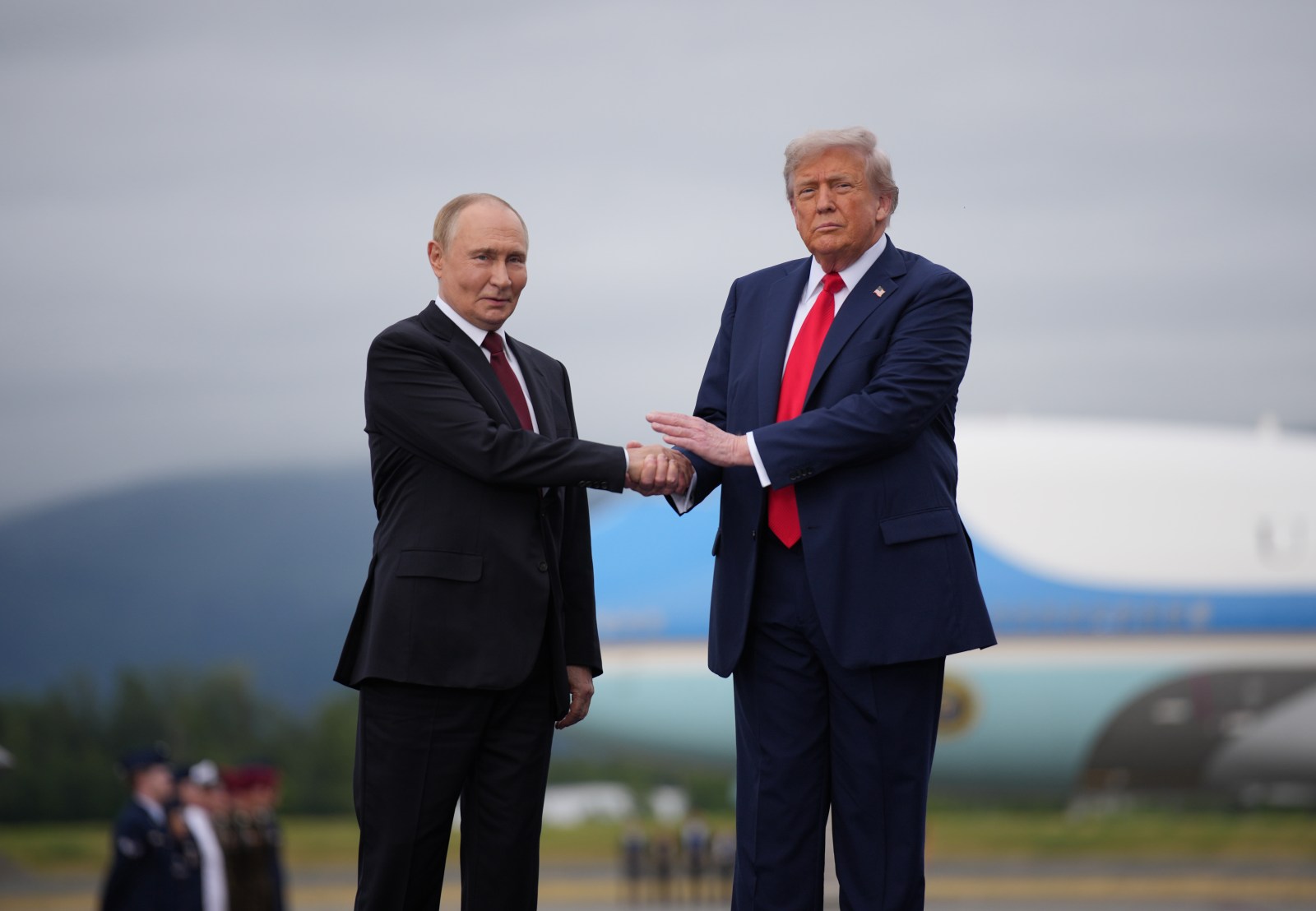
President Donald Trump has brokered an agreement with Russian President Vladimir Putin to increase diesel supplies. This move has stirred criticism from within his own Republican Party as the White House attempts to lower fuel prices ahead of the November midterm elections.
The announcement followed Trump’s statement that Putin agreed to provide millions of tons of diesel fuel to U.S. and international markets. Subsequently, the administration authorized transactions involving Russian diesel, with the Treasury Department issuing a temporary license to facilitate these exports.
This decision has faced scrutiny since Congress recently passed the Lindsey O. Graham Sanctioning Russia and Iran Act of 2026, aimed at increasing pressure on Moscow due to the ongoing war in Ukraine. While Trump has portrayed the agreement as a means to alleviate high fuel costs that affect truckers, farmers, and consumers, some Republicans argue it might undermine efforts to pressure Moscow over its actions in Ukraine.
Newsweek reached out to the White House for further comments on the issue.
Republican Pushback
Representative Don Bacon, a Nebraska Republican supportive of Ukraine, criticized the deal, asserting that purchasing Russian fuel is counterproductive. He highlighted that attacks on Russian refineries by Ukraine targeted facilities that support and fund Putin’s invasion. Bacon also referenced the sanctions law Trump signed the previous month, which aims to increase economic pressure on Russia.
Bacon’s criticism carries weight due to Nebraska’s economy being heavily reliant on agriculture and trucking, two sectors severely impacted by rising diesel costs. According to AAA, the national average diesel price reached $6.28 per gallon, significantly affecting farmers during harvest and businesses dependent on freight transportation.
Representative Michael McCaul of Texas, the former chairman of the House Foreign Affairs Committee, also raised concerns. He acknowledged the need to lower diesel prices but warned that lifting sanctions could fund Putin’s war machinery, particularly since Congress had recently empowered Trump to increase sanctions against Russia.
Senator Lisa Murkowski, an Alaska Republican, echoed similar concerns. She noted that recent legislation increased sanctions on Russia and argued that Trump should enforce these measures instead of enabling Russia’s diesel exports, which may further finance its war efforts.
Senator Murkowski stressed that Russia’s return to global energy markets should be stalled until after the conflict concludes.
The deal has also been criticized by Ukrainian President Volodymyr Zelensky, who insisted that reducing pressure on Russia without a broader de-escalation could signal vulnerability.
Midterm Implications and Future Outlook
The administration has been actively seeking solutions for rising diesel prices, which pose both economic and political challenges ahead of the midterm elections. The economy relies on diesel for agriculture, trucking, rail, and industrial sectors. Increased diesel costs can disrupt supply chains and inflate consumer prices.
Analysts question whether the agreement with Russia will bring timely relief before the elections. Ed Hirs, an energy economist, remarked that the political advantage of the deal might not materialize in time to impact voter sentiment.
If everything progresses smoothly, U.S. consumers might not see price relief at pumps until after Election Day.Hirs told Newsweek.
Trump has prominently addressed diesel issues in appeals to farmers, truckers, and rural constituencies. Earlier, he signed an executive order allowing tax-exempt dyed diesel on public roads through the year-end and deferred federal diesel taxes on this fuel.
The White House also urged allies to release emergency diesel reserves while considering further actions to enhance fuel supplies.
Announcing the Russia agreement, Trump was optimistic about prompt diesel price reductions. He stated Russia would supply over 300,000 tons of diesel to the American and global markets. Trump expressed gratitude toward Putin for facilitating this deal, emphasizing its scale and significance.
Addressing reporters, Trump defended his stance, contending that Ukrainian attacks on Russian refineries have contributed to diesel shortages and urged Ukraine to reconsider targeting these facilities.
Analysts Skeptical About Market Impact
Some analysts doubt the agreement’s efficacy in altering diesel market dynamics significantly. Tom Kloza, a senior energy and market adviser at Gulf Oil, noted that despite the market’s initial positive reaction, many traders question whether this will incite a long-term trend change.
According to Kloza, damage to Russian refining capacity from Ukrainian drone strikes has limited Russia’s ability to contribute significant diesel volumes. He predicted that diesel scarcity will persist into November and beyond.
Hirs pointed out that even if the deal unfolds as planned, it remains uncertain whether consumers will experience significant relief promptly, casting doubt on the administration’s promise to deliver economic benefits before the polls.
Leave a Reply