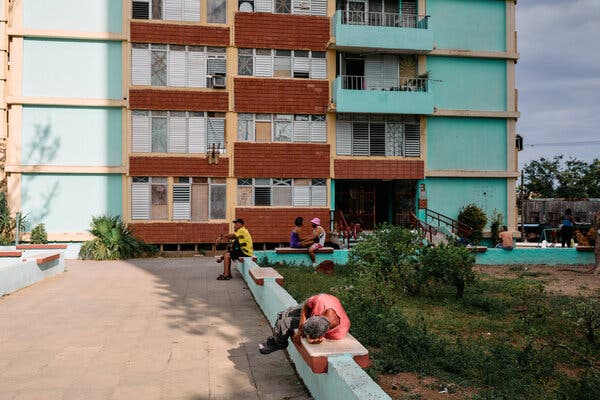
The U.S. oil blockade has severely impacted daily life in Cuba, leaving millions without access to cooking gas. In Santiago de Cuba, known as the birthplace of the Cuban revolution, residents face harsh realities as they adapt to this energy crisis.
Life Without Cooking Gas
In Santiago de Cuba, residents of five 18-story apartment towers have resorted to using charcoal and firewood for cooking. These methods are not only rudimentary but also pose health risks. Yusimi Castellano, a 58-year-old resident with asthma, exemplifies the struggle. On a recent evening, she knelt over her small iron stove, igniting charcoal with a cigarette lighter in her 18th-floor apartment.
Noxious smoke filled her home, seeping out toward the historic military barracks where the Cuban Revolution began. Despite her health condition, Castellano feels she has no other choice. “But if I don’t cook, I die,” she stated plainly.
Scarcity and Adversity
The shifts in cooking practices are emblematic of broader struggles faced by the residents. Originally seen as symbols of the revolution’s promise, these apartments now tell a story of scarcity and adaptation. While some individuals manage with charcoal, others cannot afford it and have to collect and use firewood to prepare their meals.
This drastic change in cooking practices highlights the dire circumstances many Santiago de Cuba residents are enduring. Four decades after their construction, these buildings reflect a community struggling against the backdrop of economic hardship imposed by international policies.
Leave a Reply