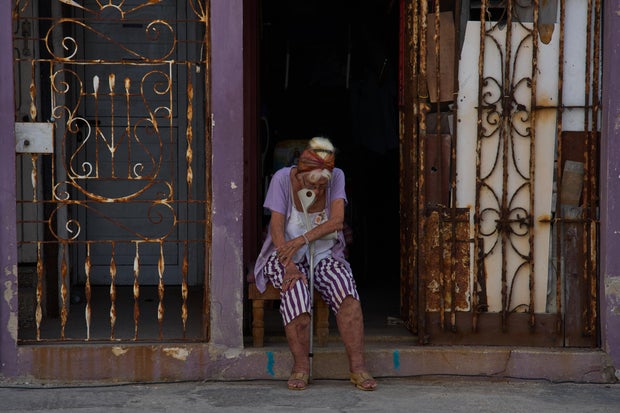
On Friday, Cuba faced another major power grid collapse, leaving millions without electricity. This marks the sixth outage since January, when President Trump halted fuel supplies to the island. The Ministry of Energy and Mines shared the news on their official X account, indicating that service-restoration protocols have begun.
Mercedes Rodriguez, a 60-year-old resident of Havana, expressed her frustration over the frequent blackouts: “No one can stand these constant blackouts. There isn’t enough food, there’s no water, there’s no electricity.” She described the dire situation while waiting for public transportation to get home.
Cuban authorities reported a transmission line failure in the western part of the country caused the collapse, affecting areas up to Matanzas province. As a result, the eastern section became disconnected. The official Granma newspaper noted that worsening weather conditions further complicated the grid’s operation.
By evening, power returned to 5% of Havana’s 862,000 customers. Authorities began creating small distribution “micro-islands” in provinces like Camagüey, Pinar del Río, and Granma. Essential services, including hospitals, were prioritized for reactivation.
“Maybe it’ll come back this afternoon or tomorrow,” said Abilén Marrero, waiting at her building’s entrance. “There’s no way to know. We just have to wait.”
Power failures have increased over the past two years due to Cuba’s severe economic crisis. They have intensified since January after the U.S. enforced an energy blockade to pressure political change. The restrictions hinder Cuba’s importation of fuel crucial for operating its power plants and replacing outdated infrastructure.
Only one fuel delivery has occurred since the blockade, carried by a Russian tanker in March. The most recent widespread outages happened in early August, alongside others in July and March, plus several regional disruptions. Even when functional, residents face outages exceeding 30 hours.
Ernesto Soberón Guzman, Cuban ambassador to the United Nations, labeled the blackouts as a “collective punishment” during a CBS News discussion. The outages, combined with the energy embargo, severely affect transportation, work hours, and public health, disrupting cooking, water supply, and communication services.
The Trump administration quietly considered military actions as tensions grew. Discussions included potential Army-led assaults, but officials emphasized no decision has been made to proceed. Secretary of State Marco Rubio insists the U.S. prioritizes a diplomatic solution for government transition, albeit currently hindered.
Previously, Mr. Trump referenced the U.S.-supported removal of Venezuelan President Nicolas Maduro as a potential model for Cuba’s situation.
Leave a Reply