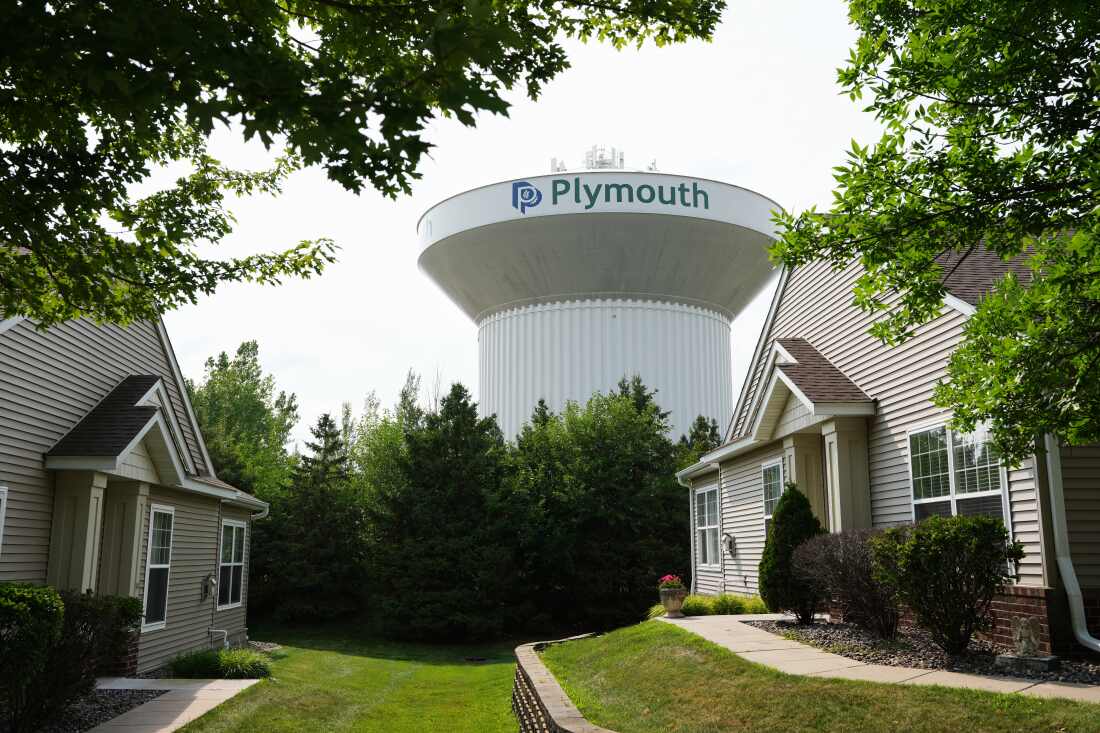
On a Monday morning in Braham, Minnesota, a local water operator found the pump at the treatment plant malfunctioning. This threat to water supply led to the use of backup sources. The issue was resolved within hours, but it highlighted an ongoing threat—a coordinated cyberattack on over 30 water systems in Minnesota, including Braham’s.
Scope and Impact of the Cyberattacks
The cyberattack affected not only Braham’s system but also other states like New Jersey and Michigan. Cybersecurity experts suspect Iran’s involvement. Historically, adversaries have targeted U.S. critical infrastructure, aiming to steal data or cause disruptions.
Nate George, Braham’s mayor, emphasized the vulnerabilities of technology. “It’s not Braham being targeted specifically, but internet access points,” he explained. The attacks gained attention despite failing to disrupt water supplies. Rob Lee of Dragos observed that multiple targets with operational impacts surfaced simultaneously, an unusual occurrence even for experts.
Response and Nationwide Concerns
Between July 26 and July 28, several states reported issues, with some declaring emergencies. In Georgia, a pump failure prompted a “boil water” advisory. The water sector’s information-sharing organization, WaterISAC, facilitated calls to spread intelligence. The EPA held a webinar to address the threats, and the FBI confirmed similar attacks across seven states.
The concern extends beyond water systems. A state IT official indicated potential impacts on transportation and energy sectors. Jake Braun, a former national cyber director, stressed the national scope of the attacks.
Suspected Iranian Involvement
Though U.S. officials haven’t confirmed Iran’s responsibility, previous incidents suggest their involvement. Russian and Iranian hackers have historically targeted U.S. utilities. Michael Crean from SonicWall noted a spike in scanning for Internet vulnerabilities, leading to compromises of companies like Stryker earlier this year.
No claims of responsibility have emerged, but intelligence suggests Iranian links. The attacks seemed opportunistic, likely related to ongoing geopolitical tensions.
Implications for Local Communities and Infrastructure
Local water operators like Chris Hughes, part of Jake Braun’s pilot program, express concern about cybersecurity. Hughes emphasized the risks of internet-connected industrial machines. Brandon Huston, from the Minnesota Wastewater Operators Association, shared hesitations over integrating technology, citing security responsibilities.
Securing infrastructure presents unique challenges due to reliance on aging technology. Operational systems monitoring physical processes aren’t easily updated. Concerns about outdated systems persist, as illustrated by insights from Patrick Gillespie and Mike Searight.
Steps Forward and Federal Leadership
Future attacks could bypass basic security protocols. Timothy Morley, from the American Water Works Association (AWWA), stressed the importance of managing vulnerabilities. More resources are needed to bolster security. The AWWA has urged Congress for increased cybersecurity funding.
Project Franklin and the new Water Watch Center aim to support small utilities. Collaborations with Vanderbilt University and DARPA focus on AI defense strategies.
Despite these efforts, visibility into local systems needs improvement. The water sector lacks resources and expertise, and federal cuts to cybersecurity have compounded these issues. Enhanced federal support will be vital for sustained progress, as Braun noted.
Ultimately, a unified leadership stance is required to foster necessary infrastructure changes. The underlying message is clear: safeguarding critical systems calls for coordinated, well-funded efforts across local and federal levels.
Leave a Reply