The U.S. Centers for Disease Control and Prevention (CDC) reported a cyclospora outbreak now affecting fifteen states, connected to iceberg lettuce. Six new states—Arkansas, Iowa, Missouri, Nebraska, New Hampshire, and North Carolina—joined Indiana, Kentucky, Michigan, Ohio, West Virginia, Illinois, Kansas, Oklahoma, and Pennsylvania in this outbreak cluster.
This gastrointestinal illness, caused by the parasite, has been identified in at least 47 states this year. Investigations continue to pinpoint how many cases stem from a common contaminated source. The CDC confirms 6,358 cases linked to iceberg lettuce, with 278 hospitalizations reported. Michigan disclosed the first two fatalities linked to this outbreak.
The CDC initially focused on shredded iceberg lettuce at Taco Bell as the outbreak’s source. Federal officials later shifted attention to Taylor Farms, which has recalled their iceberg lettuce sourced from central Mexico.
Since May 1, the CDC recorded 10,468 laboratory-confirmed domestic cyclosporiasis cases across 47 states. An additional 12,255 cases, yet to be lab-confirmed, need further investigation, with numerous reported in Michigan.
Understanding Cyclospora
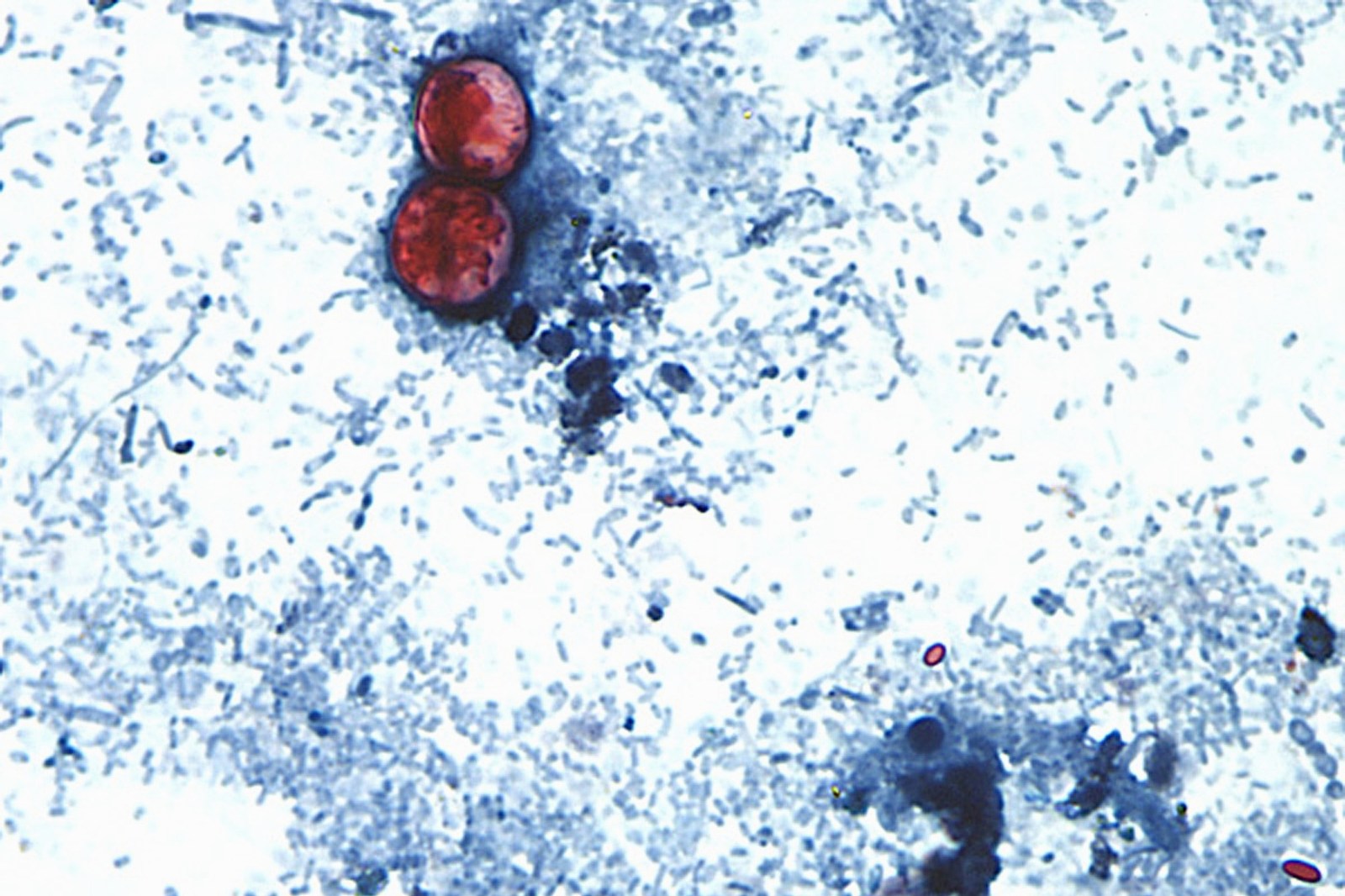
Cyclospora is a microscopic parasite infecting food via contact with human feces. This often occurs when produce is irrigated or cleaned using contaminated water. Ingesting the parasite incurs intestinal illness characterized by frequent, sometimes severe, bowel movements.
Reported Cases and Diagnosis
The CDC indicates the official count includes only lab-confirmed cases. State data might count both probable and confirmed cases, potentially raising case numbers beyond CDC’s figures. The agency is aware of over 12,000 additional cases pending confirmation or analysis, considering possible overseas travel before symptoms appeared.
Actual counts might be higher, as many recover without medical intervention and go untested.
Diagnosis and Treatment of Cyclosporiasis
Symptoms typically appear a week post-exposure, sometimes as late as two weeks or more. Without treatment, symptoms can last over a month, occasionally disappearing before returning. Diagnosing cyclosporiasis involves stool tests, often requiring multiple samples and specialized tests.
Treatment entails trimethoprim-sulfamethoxazole, sold as Bactrim or Septra, along with rest and fluids, crucial for diarrheal patients. Those with compromised immune systems or poor health face risks of severe or prolonged illness.
Leave a Reply