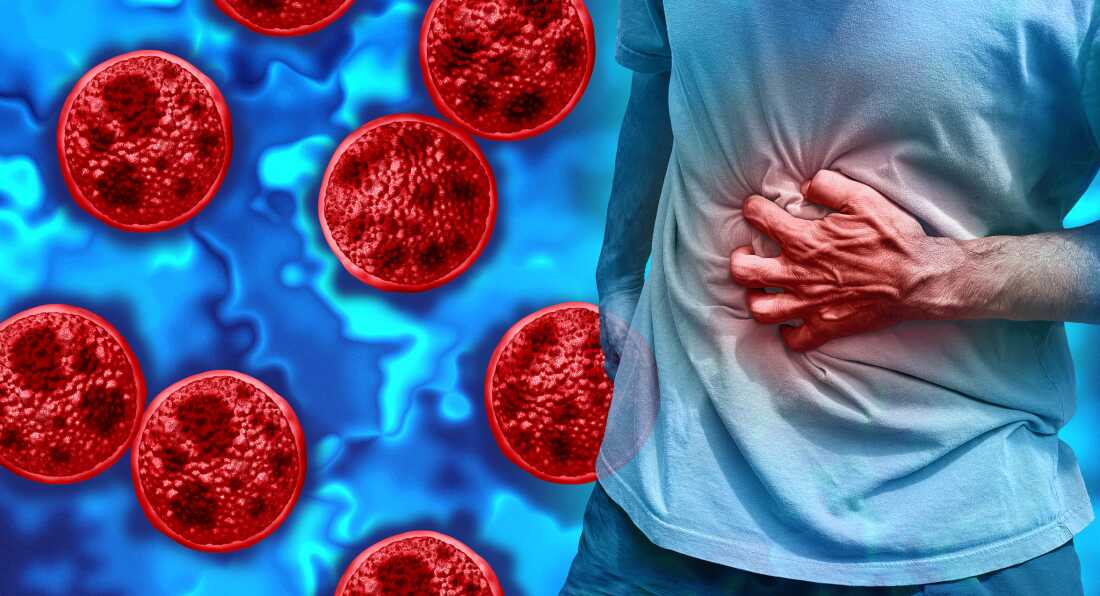
Cyclosporiasis is an illness caused by consuming water or food tainted with Cyclospora parasites. This summer, these tiny parasites have greatly impacted the digestive health of many in the U.S. The current outbreak is the largest recorded in the country.
As of July 28, the CDC reported cases in 45 states. Michigan emerged as the epicenter with over 10,000 cases. Contaminated lettuce is the primary suspect. Cyclospora parasites multiply in the human digestive tract, requiring it to complete their life cycle. They typically originate from regions where they are more prevalent, transferring via crops.
A Lifecycle Dependent on Human Hosts
Cyclospora parasites reside on the surface of produce within oocysts, which are nearly invisible. According to Vernon Carruthers, a University of Michigan professor, these oocysts travel through the human digestive system, responding to gut signals and releasing the parasites. The parasites settle in the small intestine lining, replicating and causing cellular damage.
Millions of parasites can multiply within the intestinal cells, particularly as they turn into forms resembling eggs and sperm. Joel Barratt, an Emory University parasitologist, highlights the destruction of intestinal cells during this lifecycle.
Transmission Through Contamination
The parasites reduce nutrient absorption, causing symptoms like diarrhea and nausea. One milliliter of diarrhea can contain thousands of oocysts. Humans contract Cyclospora by ingesting contaminated pods via food or water containing human fecal traces. Fresh waste does not immediately infect, but environmental exposure matures the oocysts over days or weeks.
Contamination can occur through tainted soil, water, or during produce handling. Cyclospora oocysts endure environmental challenges, staying viable on crops or in water.
Infection Duration and Treatment
Cyclospora infections often persist for weeks or months, unlike typical viral stomach bugs. Dr. Bobbi Pritt of the Mayo Clinic notes antibiotics like Bactrim help the immune system combat the parasites. While not usually fatal, the illness is more common in regions where Cyclospora thrives. Immunity seems to develop after several exposures, especially among younger individuals.
Understanding the Outbreak
Cyclospora incidents in the U.S. have fluctuated, significantly spiking this year. Imported food is a major cause, especially from regions lacking sanitary facilities. Shredded lettuce from Taylor Farms, linked to Taco Bell, was involved in a multi-state cluster this year, leading to a product recall. Other potential culprits include parsley and cilantro.
Authorities advise thorough washing and cooking of fresh produce to minimize infection risks.
Leave a Reply