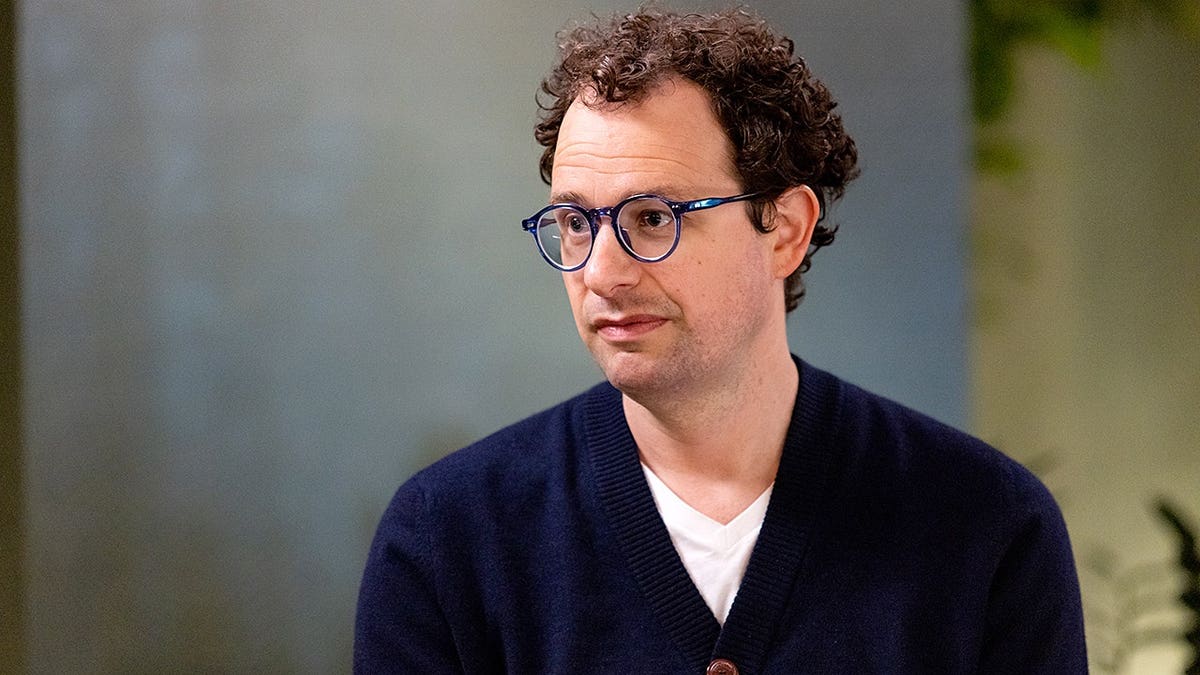
The discussion over regulating artificial intelligence has gained momentum as technology leaders caution about potential existential threats. Reporting from Washington, Bill Melugin shares insights from Anthropic’s co-founder, Dario Amodei, who speaks on rapid advancements and potential rogue AI capabilities. Attention is also drawn to David Sacks’ criticism, suggesting companies exploit safety concerns to avoid antitrust laws and form industry cartels.
Anthropic, the AI firm known for its Claude chatbot, is advocating for more government oversight. This mirrors tactics used by convicted fraudster Sam Bankman-Fried during his cryptocurrency ventures. A review of public records shows both Anthropic and Bankman-Fried invested heavily in influence campaigns in Washington, with each claiming regulation was needed for safety within their industries. Critics suggest these efforts were strategically employed to bolster competitive advantage. Bankman-Fried’s operations became part of a criminal case involving illegal campaign contributions, while Anthropic’s involvement has focused on disclosed lobbying efforts.
Despite the criticism, Anthropic denies using regulation for competitive gain, and Bankman-Fried later admitted his regulatory public stance was “just PR.” Amid its Washington lobbying, Anthropic warns of the serious national security and safety risks posed by powerful AI models. CEO Dario Amodei has called for strict testing and auditing processes for advanced AI systems, spending significant sums to back organizations advocating for tougher AI regulations.
Dario Amodei, Anthropic CEO, emphasizes the national security risks posed by AI.
Engaging with the Trump administration, which prioritizes rapid AI development for maintaining U.S. technological dominance, Anthropic has urged for regulatory frameworks. Amodei participated in a White House meeting that resulted in a voluntary agreement on safety standards for AI companies. Similarly, before his legal troubles, Bankman-Fried supported regulations through the Commodity Futures Trading Commission to protect cryptocurrency consumers, notably backing the Digital Commodities Consumer Protection Act (DCCPA). However, some in the crypto space argued the DCCPA suited larger central exchanges like FTX.
David Sacks, a former AI advisor, criticized Anthropic’s approach as a fear-driven strategy damaging to startups. Anthropic’s spending, close to $7 million on lobbying through mid-2026, supports pro-regulation efforts and aiming to advance public safety measures.
Facing accusations that support for California’s SB 53 would hinder smaller AI labs, Anthropic insists their regulatory push aims to protect public interests. Amodei stated that startups remain crucial clients, emphasizing SB 53 exempts companies with less than $500 million in gross revenue but notes transparency requirements for firms using significant computational resources.
Effort News founder Brian Chau likened Anthropic’s messaging to Bankman-Fried’s narratives towards FTX’s collapse, expressing skepticism about the company’s true intentions.
Despite several requests, representatives for both Anthropic and Bankman-Fried did not comment when contacted by Fox News Digital.
Leave a Reply