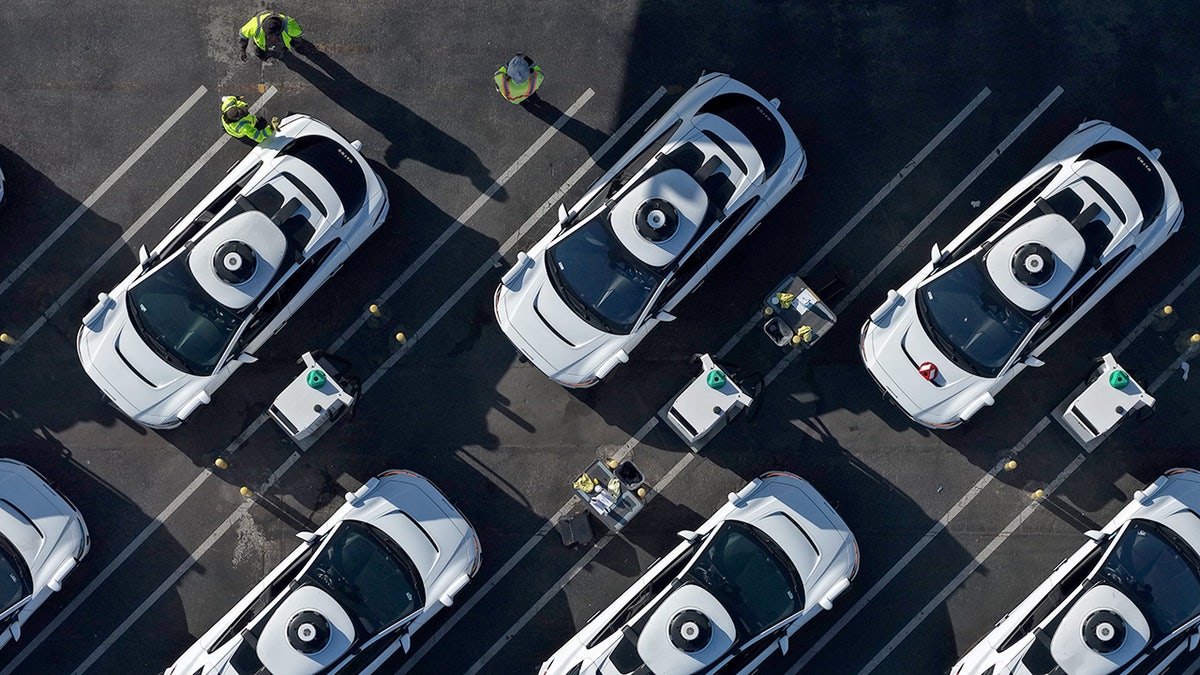
A new legislative proposal to introduce driverless rideshare vehicles in Washington D.C. has sparked significant opposition from various community members, including union workers, drivers, and religious leaders. They are expressing concerns about the potential loss of jobs due to this technology.
Protesters gathered outside the John Wilson Building as the D.C. council reviewed legislation proposing that companies like Waymo be allowed to operate commercial autonomous vehicles in the city. Demonstrators urged council members to turn down the proposal, fearing an influx of robotaxis could displace rideshare drivers.
“We came out here today strongly because we feel that these robotaxis will put people out of work,” a protester said. “And people need jobs.”
Fredrick, a resident from Virginia, voiced his concerns, saying these vehicles take jobs away from the community. “People need jobs to be able to support their family,” he added. Other locals echoed these sentiments, expressing fears about robots replacing jobs essential for their livelihoods.
Another participant acknowledged the potential job loss but offered an alternative solution. Michael from Washington D.C. proposed shortening the workweek, maintaining pay levels, and expanding employment in other sectors like public transportation and healthcare. He suggested that while driving jobs might be lost, better-paying jobs could be generated elsewhere.
The proposed Autonomous Vehicle Deployment Authorization Amendment Act of 2026 was introduced by Councilmember Charles Allen. Under this act, the District Department of Transportation would administer a commercial autonomous vehicle program.
Waymo, defending its technology, highlighted safety improvements in comparison to human drivers, citing data over 270 million miles of autonomous driving. They reported 82% fewer injury-causing crashes and 95% fewer serious crashes compared to human drivers in similar areas.
Proponents also mention the potential for reduced fares by eliminating the need for a driver. However, comparisons have shown Waymo’s pricing can fluctuate and isn’t consistently cheaper than rideshare services like Uber and Lyft.
“It might be cheap for the trial periods, and then all of a sudden we’ll be paying $50,” voiced concern from a protester named Sabrina. “I don’t believe that. That’s just some crap just to get people engaged with the Waymo.”
Helen from Maryland, already familiar with the pricing in other cities, stated, “They seem the same price to me.”
If approved, the proposed framework would initially cap autonomous vehicle operations at 200 vehicles by 2028. Companies would need to show evidence of 180 days and 250,000 miles of testing in D.C. and demonstrate efforts to reduce service disparities across the city.
A public hearing on the bill was held in July, but no vote has been scheduled yet. The full council must approve the bill before self-driving cars can operate in the city.
“A worker should be at the table,” stated Samuel Epps, President of the Metropolitan Washington Council, AFL-CIO. “We shouldn’t rush this.”
Leave a Reply