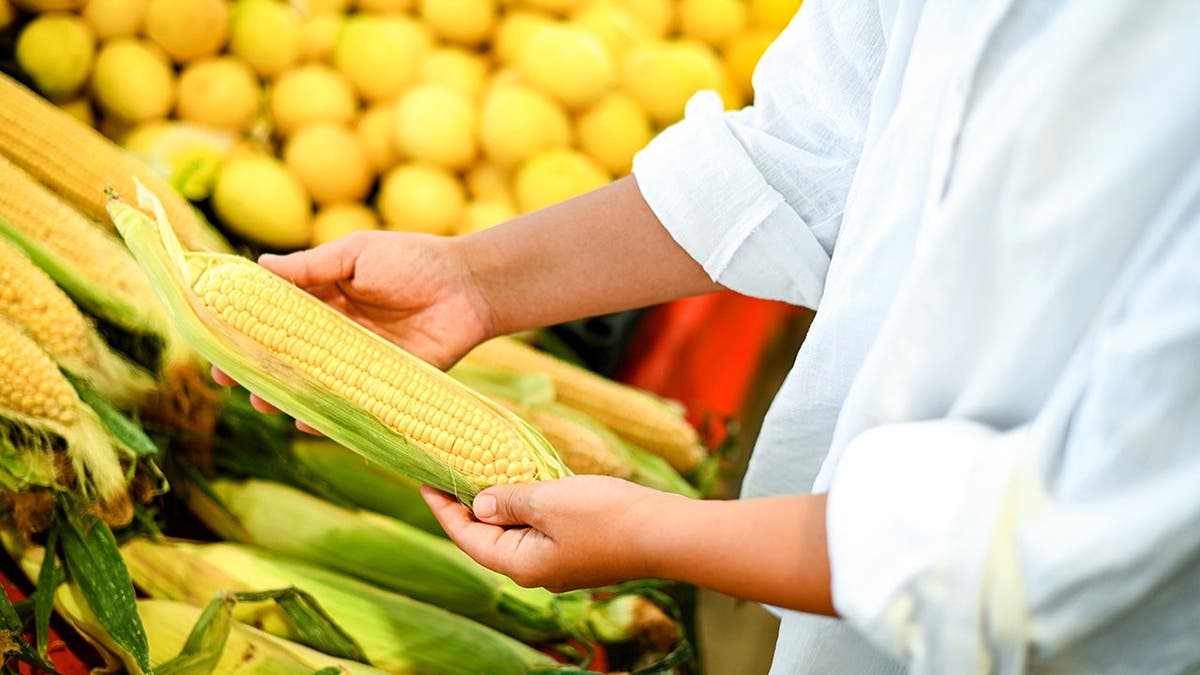
The arrival of fresh summer corn at grocery stores and farmers markets is stirring debate about whether shoppers should shuck corn before buying. Shucking involves removing the outer husks and corn silk to inspect the kernels beneath.
According to Jacqueline Whitmore, a Florida-based etiquette expert, some stores provide trash bins beside the corn display, encouraging customers to shuck corn in the store. She advises, “If you shuck it, buy it. If the ear of corn is bad, let a manager know or discard it in the trash bin provided.”
Partially shucking corn and leaving it can make it unappealing to other shoppers and increase the risk of food waste. Whitmore adds, “If no bin is provided, don’t shuck the corn. It’s messy and wasteful, and no one wants to buy corn that has already been shucked.”
Beyond etiquette concerns, sanitation is vital. Husks protect corn from dirt, bacteria, and moisture loss. By partially shucking corn, shoppers might expose kernels to bacteria from hands, shopping carts, and store conveyor belts.
Experts recommend waiting until preparation and eating to shuck corn. The husk helps preserve the kernels’ freshness. Premature shucking leads to oxygen exposure, resulting in moisture loss. Sugars turn into starch, decreasing sweetness.
Ohio-based farmer Lee Jones of The Chef’s Garden farm highlights the wastefulness of shucking corn and discarding debris. “No one wants to go home and open it to find moldy, gross corn,” he says. “Corn is iconic, and chefs find creative ways to use every part of the plant—from stalk and silk to husk and cob.”
Corn husks are used for teas, soup stocks, and as wraps for grilling or steaming. Reddit users acknowledge pulling back husks to examine ears. “Sometimes the husk hides worms or bad spots,” stated one user, highlighting the importance of inspecting before buying.
Experts offer tips for assessing corn quality without peeling husks. Compare weights and squeeze the corn. Heavier ears usually contain more moisture, resulting in juicier, sweeter kernels. Inspect the tassels or silk. Light brown, golden, or slightly sticky silk suggests freshness. Black or dried-out silk indicates older corn.
The husk should appear bright green and wrap tightly around the ear if harvested recently. Faded or brittle husks suggest prolonged sitting. Also, check for holes in the husk, which may indicate insect damage.
If not consuming corn immediately, keep it cool and covered. Always wash produce to remove dirt, bacteria, and potential pesticide residue.
Teresa Mull is a freelance writer with the Lifestyle team at Fox News Digital.
Leave a Reply