As families across the United States prepare for Thanksgiving, a common question arises: When should dinner be served? Social media discussions show varied opinions. A poll by Martha Stewart’s publication in 2024 revealed preferences, with over 34,000 responses. The majority, 13,586 respondents, preferred serving between 2 to 3 p.m. Martha Stewart herself supports this timing, noting that many people are ready to eat by then.
However, preferences differ by household. A Pew Research Center survey in 2024 found 38% preferred dining between 3-6 p.m., while 36% liked 12-3 p.m. An earlier YouGov survey from 2013 also indicated most start dinner between 3 and 6 p.m. The question remains: What time is truly ideal for Thanksgiving dinner? To investigate, TIME consulted etiquette experts for guidance.
Insights from Etiquette Experts
Diane Gottsman, an international etiquette authority, recommends 2 p.m. to accommodate most guests’ needs. This early mid-afternoon meal allows ample travel time and doesn’t interfere with children’s schedules. For households with elderly guests, an earlier dinner avoids nighttime travel.
Not all experts agree on one timing. Lisa Lyons, a wedding planner and etiquette adviser, prefers between 4-5 p.m. This timing permits staggered guest arrivals, allowing the host to engage with each. Lyons argues later dinner times reduce preparation stress and still let guests return home at a reasonable hour. Avoiding meals after 5 p.m. helps guests who need an early evening return.
Consideration for Thanksgiving Activities
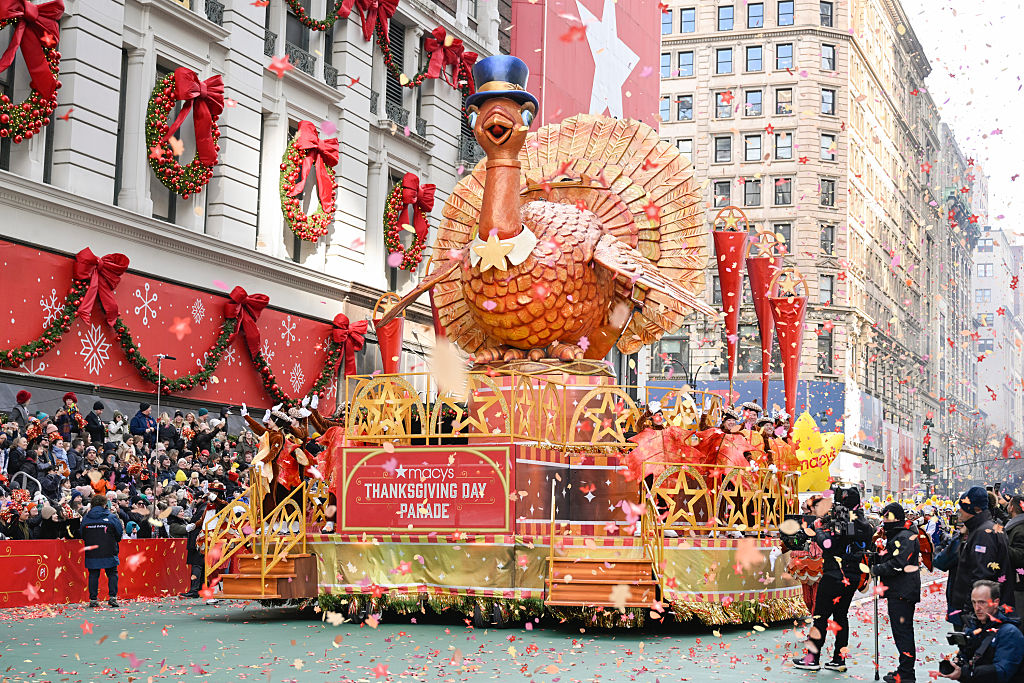
Thanksgiving day plans often include watching parades or sports. Some families prioritize watching parades like the Macy’s procession in New York, scheduled between 8:30 a.m. and noon E.T. Lisa Lyons enjoys the parade and the Westminster Dog Show, while involving her children in kitchen activities.
Football is popular on Thanksgiving, with three NFL games scheduled. Yet, etiquette experts advise that sporting events should not dictate dinner times. Diane Gottsman emphasizes guests can leave the TV for a gourmet meal.
Influence of Childhood Traditions
Many people’s timing choices stem from their childhood experiences. Lisa Lyons attributes her late-afternoon preference to her upbringing, noting her family tradition. August Abbott, another etiquette expert, grew up with a noon dinner but adapted to a later time for convenience. She highlights the nostalgia of continuing childhood traditions, enhancing the holiday spirit.
Leave a Reply