Understanding the Present Crisis
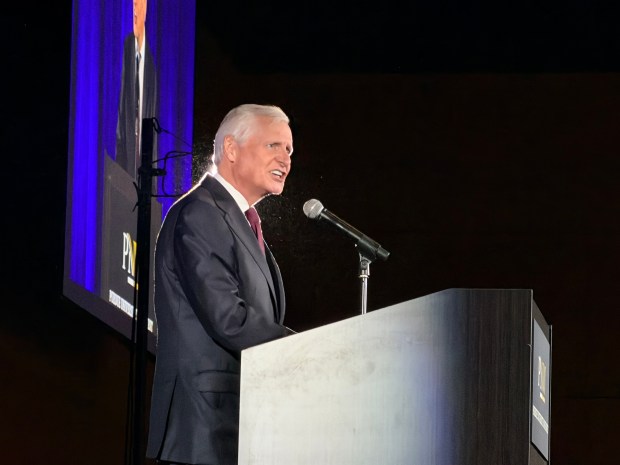
Jon Meacham, a noted presidential historian, recently highlighted the current crisis in American democracy. During a talk at the Purdue Northwest Sinai Forum in Westville, Meacham underscored the nation’s ability to overcome challenges through effective leadership and mindset.
The Lessons of History
Meacham drew parallels between the 2020s and the 1920s, invoking Mark Twain’s observation that while history may not repeat itself, it often rhymes. In 1926, the U.S. had endured significant upheaval following World War I, characterized by mechanized warfare and widespread chemical weapon usage.
The Spanish flu pandemic, the rise of totalitarianism, and anti-immigrant sentiment defined the era, much like today’s challenges.
The onset of the Great Depression in 1929 exposed vulnerabilities in American society. Economic turmoil led to widespread unemployment, with one in four men jobless and food riots occurring in the Midwest.
Franklin Roosevelt emerged as a pivotal figure in addressing this crisis, famously asserting that “the only thing we have to fear is fear itself” in his 1933 inaugural address.
Preserving Constitutional Integrity
Meacham emphasized Roosevelt’s insistence on maintaining Constitutional integrity amid proposals for war-like executive powers. Despite threats, including an attempted coup detailed by Smedley Butler, Roosevelt safeguarded the democratic experiment.
Moving to the present, Meacham noted that presidential elections in recent decades have been decided by narrow margins, highlighting the nation’s division. However, he stresses the importance of recognizing political opponents as rivals, not enemies.
The Role of Partisanship and Conflict
According to Meacham, partisanship is intrinsic to American political life but should not escalate into extreme conflict. He observed that conflict can be entertaining and profitable, citing incidents like Obama’s tan suit controversy.
“You have to have something to fight about because the business model is conflict,” Meacham remarked.
Nixon’s Era Versus Trump Era
He compared Nixon’s centrist actions and later compliance with the law during Watergate to Trump’s era, which he labels as different in kind. The post-2020 election drama introduced a notion of stolen elections, posing a lasting threat to democracy.
Historical figures like Andrew Jackson demonstrated the importance of accepting electoral outcomes, regardless of personal grievances. Meacham insists that gracious behavior in both victory and defeat is crucial for national perseverance.
“You can’t love your country only when you win,” he concludes, urging all Americans to unite for the nation’s future.
Leave a Reply