Democratic Representative Haley Stevens has endorsed Republican Mike Rogers in Michigan’s Senate race, delivering a late blow to Democratic nominee Abdul El-Sayed just days before the election. This decision adds complexity to a race that could influence control of the Senate chamber.
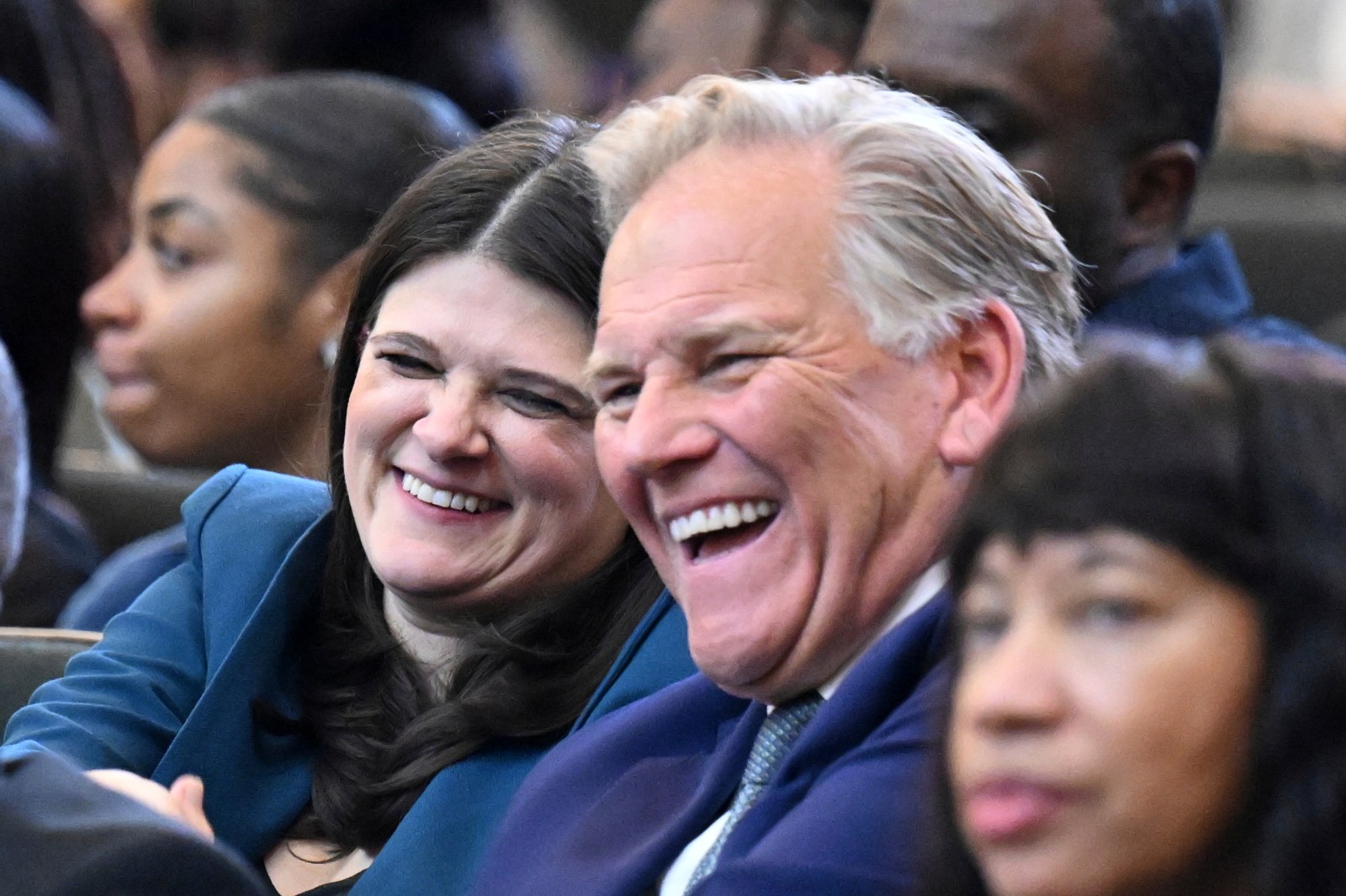
Stevens, who lost narrowly to El-Sayed in the Democratic primary, appeared with Rogers at a Detroit church service. Her planned appearance with El-Sayed was canceled following a dispute over Israel as the campaign neared its end. Stevens announced her endorsement of Rogers in a video, stating that El-Sayed had made clear she was not welcome in his campaign. “He’s right, and that’s why I am endorsing Mike Rogers for the United States Senate today,” Stevens said.
Michigan holds a key Senate seat in Democrats’ efforts to seize control of the chamber. The Republicans’ 53-47 majority requires Democrats to maintain all 13 seats they control and flip four Republican seats to reach a 51-seat majority. A loss in Michigan would require pursuing an additional GOP seat elsewhere, complicating Democrats’ path to Senate control.
Stevens-El-Sayed Rift Explained
The tensions between Stevens and El-Sayed stem from a closely contested Democratic primary, where El-Sayed won by a margin of less than 14,000 votes. The primary highlighted ideological divisions among Democrats, with Stevens supported by the party establishment and El-Sayed backed by progressives. Disagreements over Israel and the Gaza conflict were key sources of contention.
In an October debate, El-Sayed declined to choose whether Iran or Israel posed a greater threat to the United States, describing the question as “ridiculous.” He noted that both countries have been dangerous, one threatening attacks, the other risking wars.
Some Republicans tried to link El-Sayed to the Muslim Brotherhood, a claim El-Sayed has denied. As Election Day approached, tensions were reignited by an ad from a group supporting El-Sayed, linking U.S. support for Israel to grocery prices. The ad was criticized as antisemitic by Stevens, who called for its condemnation.
Stevens’ fiancé, Jason Turkish, opted to support Rogers, intensifying the pre-election feud. Stevens criticized El-Sayed’s stance on Israel, writing that he should “get Israel out of his explanation for everything Michigan cannot afford.” El-Sayed accused Stevens of “relitigating a primary.”
Planned Democratic unity was disrupted when Stevens was advised not to appear with El-Sayed and Jim Clyburn, due to escalating tensions. Stevens instead joined Rogers at Perfecting Church in Detroit, announcing her support for the Republican candidate.
Muslim Brotherhood Allegations Against El-Sayed
El-Sayed has faced allegations connecting him to the Muslim Brotherhood, though these claims lack supporting evidence. Senator Ted Cruz raised this during a Senate Judiciary hearing, and Rogers confronted El-Sayed about the alleged connections during their final debate. El-Sayed denied the accusations and criticized Rogers for involving his family. “It doesn’t make any sense and it’s actually really quite beneath you, Mike,” he said.
President Trump labeled El-Sayed a “Muslim radical,” claiming he belongs to the Muslim Brotherhood. The organization, founded in Egypt, has been banned or designated as a terrorist group by some governments, but not by the United States.
What Polls Show in the Michigan Senate Race
Recent polls have generally shown El-Sayed leading Rogers, though the margin varies. A CNN/SSRS poll conducted from October 20 to 27 had El-Sayed ahead 49 percent to 42 percent among likely voters, with a 4.7 percentage-point margin of error. A Marist survey from October 15 to 18 showed a closer race at 50 percent for El-Sayed and 48 percent for Rogers, a difference within the survey’s margin of error. A YouGov poll highlighted the narrow contest further.
These polls were conducted before Stevens endorsed Rogers, leaving unanswered questions about how her decision might impact the race.
Leave a Reply