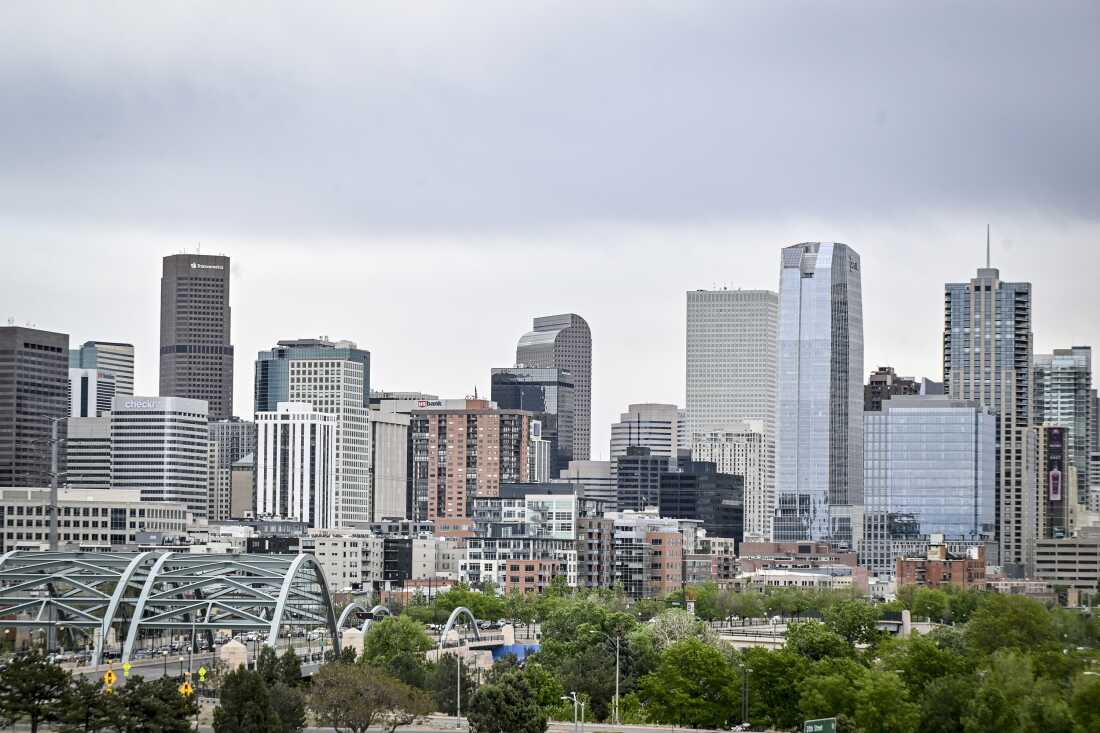
Denver’s Downtown Energy Transformation
Denver plans to heat and cool several downtown buildings using a novel system that incorporates water, geothermal energy, and heat derived from sewage. This approach offers a green alternative to the current reliance on fossil fuels, primarily used to power, heat, and cool the city’s structures. The initiative aims to address climate pollution and support Denver’s goal of reducing greenhouse gas emissions to zero by 2040.
The Role of the Cherokee Boiler House
The Cherokee Boiler House, located near downtown Denver, is at the center of this transformative plan. Despite its current condition, city officials believe this facility has the potential to play a key role in achieving sustainable energy solutions. The building will become a part of what the city calls a thermal energy network, utilizing heat pumps and underground pipes filled with circulating water. This network enables energy sharing between buildings through an ambient loop system.
Revamping the Steam System
Currently, over a hundred buildings in downtown Denver rely on a steam system powered by burning natural gas. As this system ages, it becomes inefficient and costly due to maintenance expenses, rising fossil fuel costs, and customer attrition. The city plans to transition from the steam system to a new heating and cooling network spread across 11 city-owned buildings.
How Water-Source Heat Pumps Work
Water-source heat pumps are the backbone of this energy network. These appliances can transfer energy from the circulating water to either heat or cool a building. They efficiently manage temperatures by moving heat between the building’s interior air and the loop’s circulating water. Buildings on the loop can share energy, creating a cooperative network where excess heat from one building can benefit another.
Finance and Feasibility of the Network
The city estimates the cost of developing the network to be between $280 million and $320 million. This initial investment seeks funding through city finances and a state grant. The network’s cost-effectiveness lies in its promise of being cheaper and greener than traditional steam systems, according to feasibility reports.
Geothermal Energy Exploration
To maintain the ambient loop’s efficiency, Denver plans to drill geothermal boreholes beneath downtown areas, tapping into the Earth’s heat as an energy source. The drilling process involves pipes filled with water exchanging energy with the ground, which then contributes to buildings on the loop.
Sewage as a Secret Resource
Sewage, often considered waste, is proposed as a clean energy source due to its thermal energy. Denver plans to utilize wastewater from daily activities, like showers and laundry, by diverting some of this heat for use in its new system. This initiative could reduce river pollution and save costs for the wastewater utility by avoiding the need to cool wastewater before release.
Looking Ahead
The pilot phase begins with a micro version of the loop connecting two buildings and a sidewalk snowmelt system. The broader vision includes connecting nine buildings by 2030. Mayor Johnston advocates that successful implementation could expand this approach to many natural gas customers in the downtown area, paving the way for significant emissions reduction.
Leave a Reply