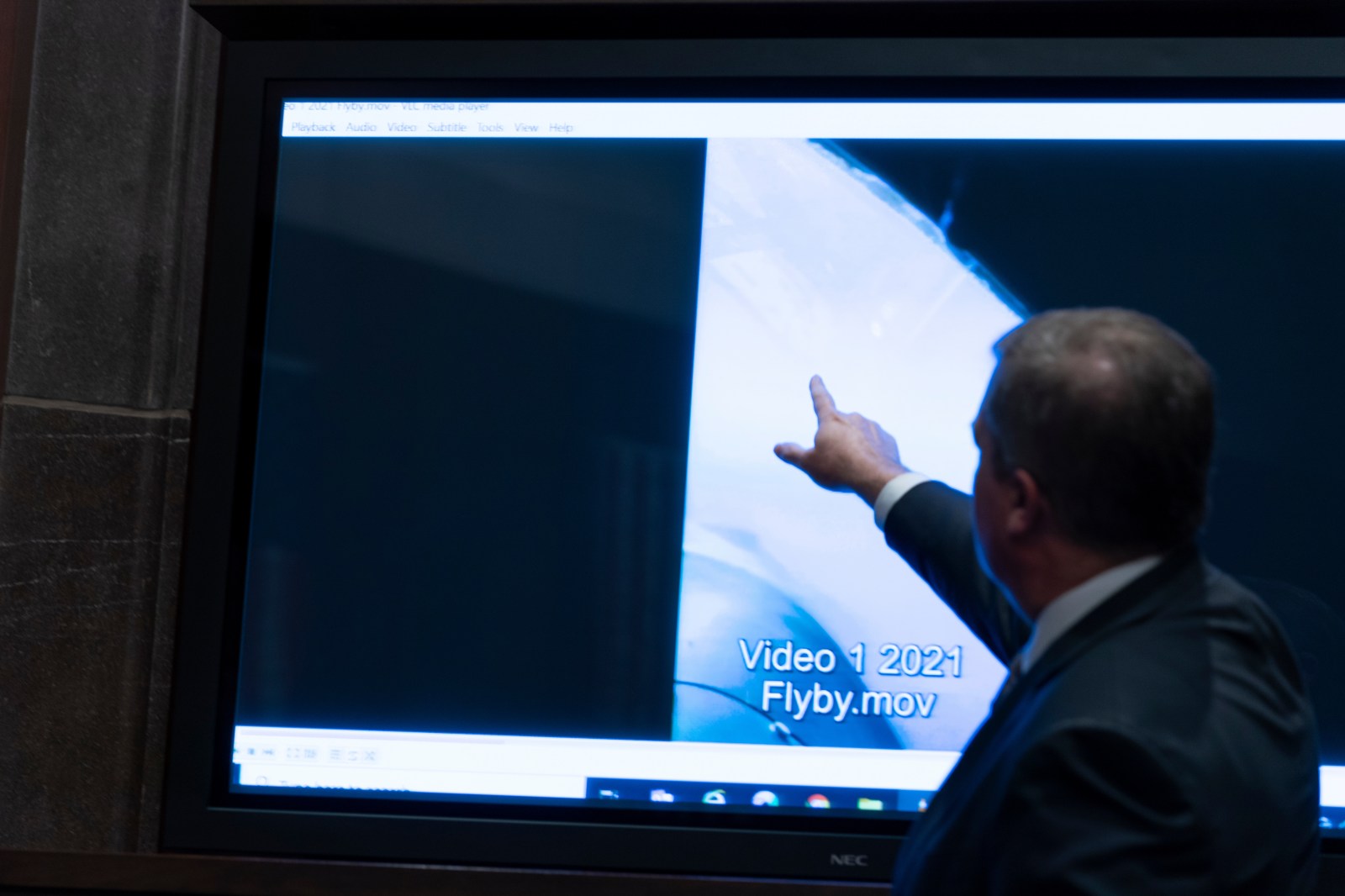
The Department of Defense announced the issuance of a legal waiver on Monday. This waiver allows military personnel, civilian employees, and contractors to disclose information about Unidentified Anomalous Phenomena (UAP), also known as UFOs. These disclosures can be made to designated representatives of the Presidential Unsealing and Reporting System for UAP Encounters (PURSUE).
This decision arises amidst increased interest in UAP investigations, following congressional hearings, whistleblower accounts, and the release of once-classified government documents. Historically, military and contractors knowledgeable about classified UAP programs have hesitated to speak due to fears of legal repercussions, security clearance loss, or administrative actions. The waiver lifts these legal barriers, enabling individuals to contribute information to the PURSUE disclosure program without breaching secrecy agreements.
Understanding PURSUE
The new waiver introduces a formal channel for reviewing, evaluating, and potentially declassifying both historical and current UAP information. Proponents of disclosure argue that legal assurances are crucial to encourage witnesses and insiders to share information. This data could help lawmakers and the public comprehend unexplained aerial phenomena better.
“Anytime there can be more transparency, it’s great,” Dr. Julia Mossbridge stated, founder of the Mossbridge Institute. She praised ongoing efforts to release previously classified information to the public, highlighting organizations pushing for transparency, such as the Public Interest Declassification Board.
These efforts are seen as imperative for advancing our understanding of the universe.
Previous Policy Constraints
Prior to this decision, individuals with UAP-related information were bound by non-disclosure agreements and Special Access Program Indoctrination Agreements (SAPIAs). These agreements often dissuaded people from sharing due to fears of legal consequences. The new directive waives specific civil and administrative enforcement, allowing authorized disclosures to PURSUE. However, the waiver does not grant unrestricted public disclosure. Instead, it establishes a controlled means for information review, ensuring security before potential declassification.
Recent UAP Disclosures
Recently, the DOD released its fifth collection of information through PURSUE, covering various UAP sightings, including civilian encounters. Included were accounts from U.S. special agents, one involving thermal video of two slow-moving infrared anomalies, and reports of three sightings over five hours in the western U.S.
David Grusch, a former intelligence officer, has been a notable figure in disclosing UAP information. He claimed secret government programs have recovered and studied unidentified materials. In testimony before the House Oversight Committee in July 2023, Grusch emphasized the need for whistleblower protections and transparency. He suggested that revelations about alien technology could prompt significant technological advances.
His remarks emphasized that newfound knowledge could lead to a sustainable and cooperative global future.
Other testimonies included David Fravor, a former U.S. Navy officer, recounting a 2004 encounter with a flying object off the California coast, and Ryan Graves discussing advocacy for safe aerospace practices.
The waiver appears to address key concerns from disclosure discussions about safely sharing UAP information. As this disclosure mechanism becomes operational, focus will likely turn to new witnesses coming forward and the availability of new records through the department’s review process.
Leave a Reply