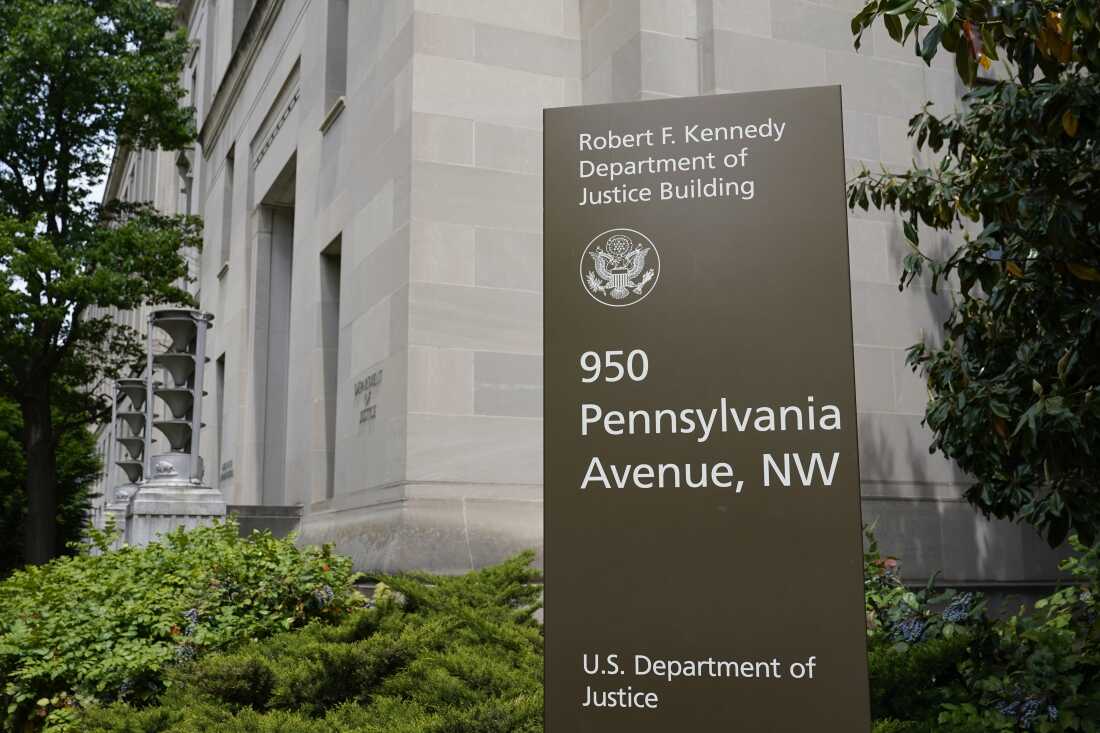
The Justice Department released a memo sparking concerns over long-standing civil rights for Americans with disabilities. This memo, from the Office of Legal Counsel, suggests states are not obliged to provide in-home or community-based care for residents requiring assistance. Such services, crucial for many, enable disabled individuals to live and participate within their communities. According to Alison Barkoff, a health law and policy expert, the significance of this shift is substantial.
If the federal mandate for states to offer these services weakens, financially constrained states might reduce or eliminate them, potentially forcing a return to institutionalization practices. The American Association of People with Disabilities warned that this interpretation risks reversing decades of progress, threatening community integration achievements for disabled individuals.
Shira Wakschlag from The Arc of the United States emphasized that this view challenges the principle that institutionalization should only be a last resort. The Justice Department has yet to respond to requests for clarification regarding this change in stance.
Legal Context and Implications
Historically, the Americans with Disabilities Act and the Rehabilitation Act have been viewed as requiring states to offer services in the most inclusive environment possible. The 1999 Supreme Court decision in Olmstead v. L.C. reinforced this, affirming that failing to provide community-based services violated civil rights. This interpretation allowed 8.4 million Americans by 2023 to receive home and community services through Medicaid.
The new memo, however, penned by Lanora Pettit of the Office of Legal Counsel, contests this established understanding. It argues that federal law does not enforce an ‘integration mandate’ and questions the scope of justification for institutionalizing patients.
Jennifer Mathis from the Bazelon Center for Mental Health Law highlighted how institutionalization restricts personal freedoms, with daily lives often limited within institutions.
Potential Consequences
The memo coincides with a new legal challenge, Texas v. Kennedy, which could undermine the integration mandate. Although Mathis points out that this memo doesn’t have the force of law, it signals a shift in federal enforcement practices, potentially aligning with the plaintiffs seeking less stringent service requirements.
Intentions behind the memo may trace back to a broader strategy since President Trump’s executive order in 2025 promoting involuntary institutionalization for addressing homelessness and community disorder.
This move faces challenges, including limited facility space and would mean cutting Medicaid-funded services essential for many disabled Americans. Critics fear these changes pave the path back to greater institutionalization, undercutting progress in community-based living.
Furthermore, transferring federal responsibilities for special education away from the Department of Education adds to worries about potential rollback of civil rights under the present administration.
Leave a Reply