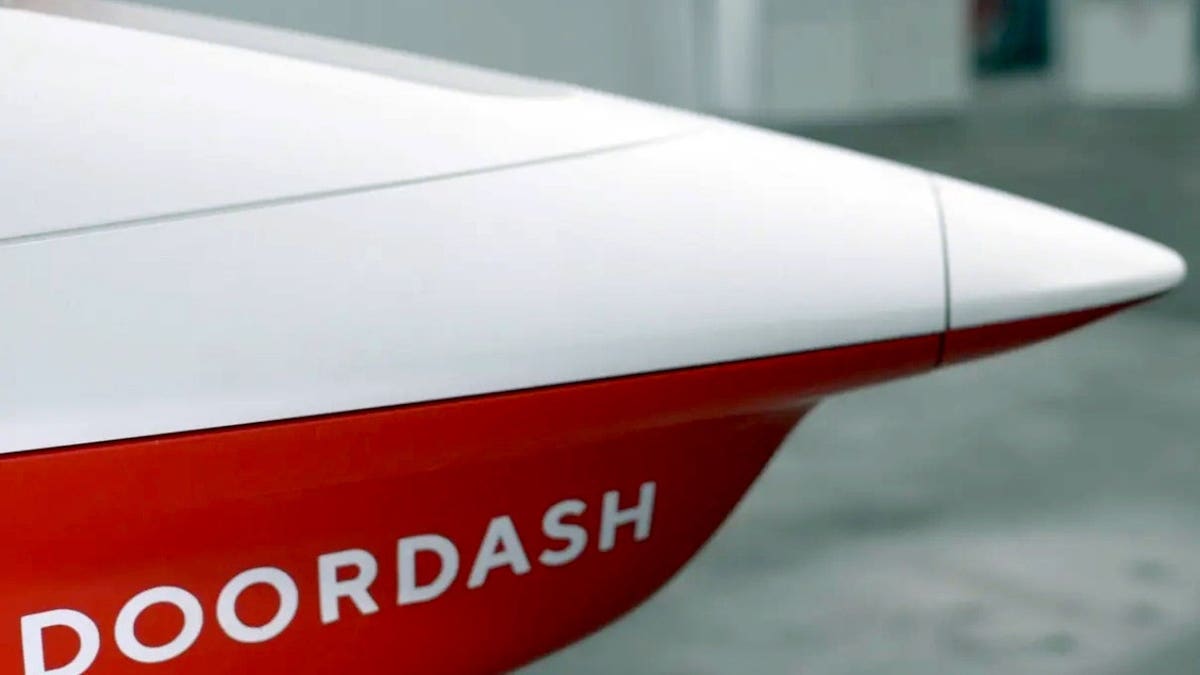
DoorDash has made progress toward a revolutionary shift in its delivery services by obtaining the FAA Part 135 air carrier certification for drone operations. This certification enables DoorDash to operate a commercial drone delivery service in the United States through its new venture, DoorDash Air. While this is a significant development, the drones won’t be flying over neighborhoods just yet. Additional operational approvals and decisions regarding initial markets and launch schedules are still pending.
Understanding the Certification Process
The FAA certification, announced on July 29, 2026, places DoorDash among a small group of operators authorized for drone deliveries. Achieving this status involves a comprehensive five-phase review where the agency assesses aircraft capabilities, maintenance procedures, and safety programs. Despite this achievement, DoorDash must also secure airspace authorizations and possibly obtain waivers for extended flight operations.
The Rationale Behind Drone Deliveries
The motivation for integrating drones into DoorDash’s delivery strategy is clear. Delays often occur when matching delivery drivers with longer-distance orders; such trips can extend delivery times significantly. DoorDash notes that in 2025, orders traveling three to five miles accounted for 20% of deliveries and took 25% longer than shorter ones. Drones can potentially take over these longer routes, optimizing efficiency and maintaining quick deliveries.
Data from pilot programs suggests drone deliveries average 25 minutes. Some test locations even saw order volumes rise by about 30% in a nine-week period. These promising figures illustrate DoorDash’s interest in controlling drone delivery operations, despite variables such as location, weather, and order type.
DoorDash’s Vision for Its Drones
DoorDash plans to build its drones in the United States, with the majority of components sourced domestically. While specifics on range, payload capacity, and design remain undisclosed, more information is expected soon. Meanwhile, DoorDash continues collaborating with partners like Alphabet’s Wing, as it explores development of its aircraft.
The integration of drones does not eliminate the role of human Dashers. Instead, DoorDash aims to determine the most suitable delivery method for each order through its Autonomous Delivery Platform. A drone could be ideal for a short suburban delivery, whereas larger orders or those to complex locations might still require a Dasher.
Challenges Ahead for DoorDash Air
While FAA certification allows DoorDash to legally operate drones, there are additional hurdles. Approval for flights beyond visual line of sight needs to be secured. Local zoning and environmental considerations can influence where delivery hubs are established. Drone noise might become a concern for community residents.
DoorDash’s approach will probably begin in areas that are easier to navigate, such as suburban zones. Dense urban blocks may pose greater challenges initially.
Potential Impact of Drone Deliveries
DoorDash’s drone delivery service could speed up fulfillment of urgent orders, such as medications or meal deliveries. Influence on your experience depends on your location’s eligibility for drone delivery and order specifications meeting drone capacity. Given the uncertainties around pricing and tip structures, customers should carefully consider the costs involved.
As DoorDash tests drones in various conditions, operations will pause during extreme weather until safe environments return. DoorDash Air signifies an important aspect of the delivery landscape’s evolution, though not an immediate nationwide rollout.
DoorDash is carving a niche in the airborne delivery space. Although it has vast experience in street-level logistics, the move into aerial territory is a complex endeavor. Continued success hinges on proving drone safety, maintaining order integrity, and managing community impact. Human drivers remain crucial, but drones may expedite specific deliveries.
Leave a Reply