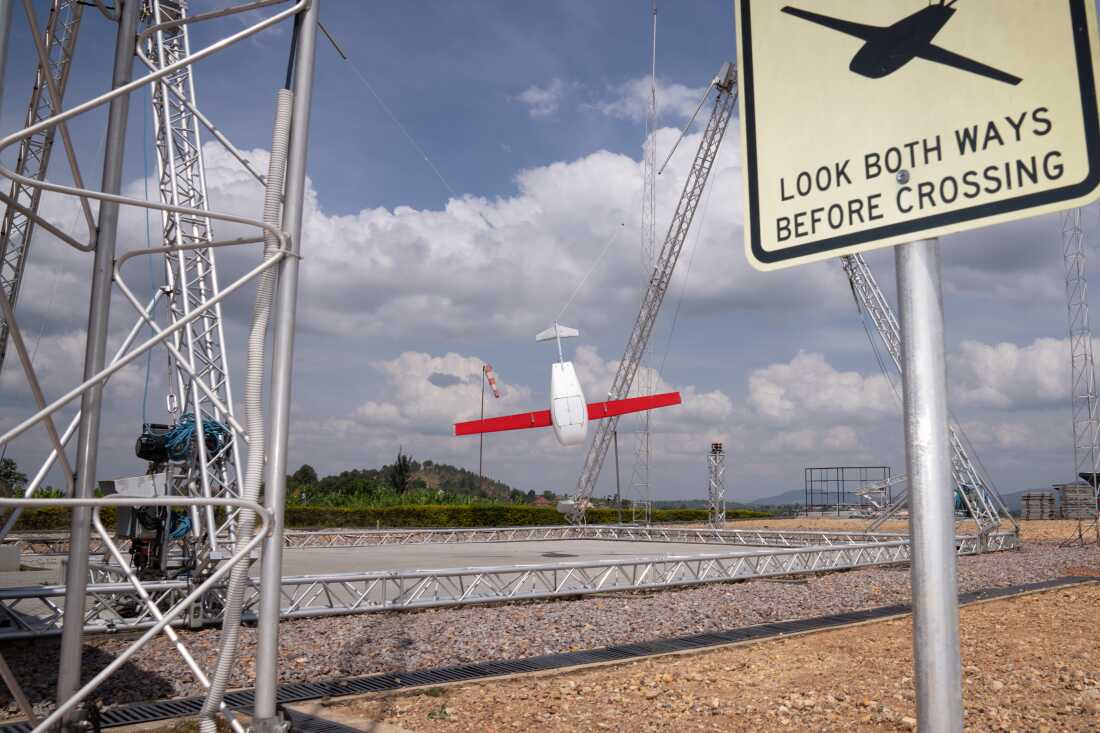
A drone landed in Muhanga, Rwanda, after completing a delivery. Since 2016, the Rwandan government has partnered with Zipline, an American robotics company, to provide emergency blood deliveries through drones.
Noella Mukanoheli’s story is a testament to this innovation. She was nine months pregnant and experienced severe bleeding. Her journey to receive medical attention was grueling. It started with a 50-minute motorbike ride to a clinic, followed by a two-hour ambulance trip over challenging roads to the nearest hospital.
Upon arrival, doctors determined she needed a massive transfusion of 5 liters of blood. However, the hospital lacked her blood type. Minutes later, two drones delivered the necessary blood, a lifesaving measure that allowed her to survive childbirth.
This success highlights the potential of drones in a nation where travel can be difficult. Known as the land of a thousand hills, Rwanda’s roads are narrow, often hindering regular traffic. In this challenging environment, drones have become essential for delivering medical supplies swiftly and efficiently.
The Rwandan government enlisted Zipline in 2016 to address the urgent need for swift medical deliveries via drones. Today, drones are critical for transporting various medical resources.
Despite the success of drone deliveries, Rwanda’s healthcare challenges persist. The nation has focused on reducing poverty, enhancing healthcare, and transitioning to upper-middle-income status since the 1994 genocide. Yet, improving infrastructure like roads and electricity remains a costly endeavor.
In 2025, the U.S. administration announced a $150 million grant to expand Zipline’s operations in Rwanda and other African nations. Simultaneously, it cut $200 million from funding aid organizations that provide health and food assistance in rural Rwanda, signaling a shift towards favoring U.S. businesses over NGOs for global health initiatives.
Rwanda’s drone story showcases its impact on healthcare. Drones can carry medicine, vaccines, and diagnostic tests to remote areas, relieving healthcare workers of long, arduous trips to restock supplies. The drones, resembling tiny airplanes, start their journey from distribution centers like the one in Muhanga, managed by Zipline. These facilities fulfill orders from across the country, ensuring timely delivery of medical necessities.
The Muhanga facility serves as a hub for these operations. Orders arrive via phone, text, and WhatsApp. Each drone requires a minimum load of 1 kilogram to maintain stability during flight. Drones employ AI technology, allowing them to navigate effectively and make real-time course adjustments.
Zipline has played a significant role in enhancing Rwanda’s healthcare landscape. The drones deliver supplies to hospitals like Kabgayi, where such deliveries have dramatically reduced wait times for critical supplies. Previously, medical staff had to endure significant delays waiting for blood transported from the capital, Kigali.
Rwanda’s multipronged approach to healthcare improvement has had tangible results. Maternal mortality rates have decreased significantly over the decades. The use of drone technology forms a crucial pillar of this effort, alongside policies supporting universal healthcare and midwife training.
The rapid deployment of drones for healthcare shows how technology can save lives and help manage diseases like cervical cancer, HIV/AIDS, and malaria. Rwanda aims to leverage drones further, potentially using them to navigate urban traffic and bring essential medical supplies more quickly to emergency responders.
Yet, the reduction in U.S. aid poses a challenge. The cuts force Rwanda to redirect resources to sustain critical health programs. Local partnerships between private companies like Zipline and NGOs remain vital for continued progress.
Villages still face obstacles such as lacking basic medical equipment and having limited access to healthcare professionals. Remote clinics, although dependent on drone deliveries for vaccines, often have to send patients elsewhere due to equipment shortages.
Noella Mukanoheli’s situation underscores the ongoing challenges. While drones saved her life during childbirth, her current struggle with feeding her baby due to food scarcity illustrates the limits of what drone technology alone can resolve.
Leave a Reply