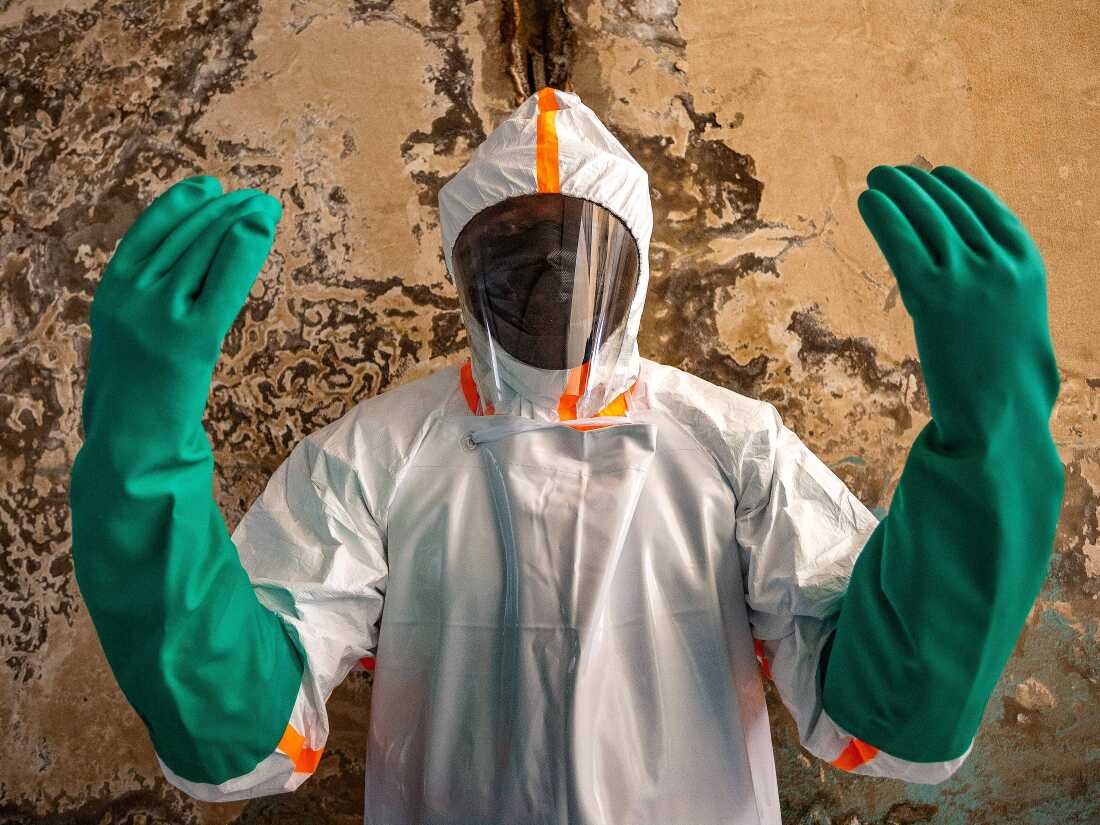
BUNIA, Democratic Republic of Congo — Moise Bulabantu faces constant stress over contracting Ebola. As a community nurse in an area hit by the outbreak in eastern Congo, he is highly exposed to the virus. Since the outbreak was declared on May 15, Bulabantu has interacted with affected individuals daily.
“We lack protective equipment,” he explains from his clinic in a suburb of Bunia, the capital of Ituri province. His clinic is modest, with a clapboard structure and basic facilities. Foam mattresses on unstable beds lack sheets, and the entrance offers no option to isolate potential Ebola cases.
Each day, Bulabantu receives around 15 reports of suspicious symptoms like fever and vomiting. Of these, two or three cases are typically confirmed positive. Complaints of insufficient protective gear are common among health workers in Ituri, although exact numbers are unavailable. The province reports over 91% of confirmed cases, based on data from the Congolese health ministry.
By June 30, officials recorded over 1,307 confirmed infections and 377 deaths. The combination of poverty and armed conflict has hampered the health response. Despite aid and supplies flown in, equipment remains scarce. The vast spread of the virus, now in 22 of the province’s 36 health zones and extending to North Kivu, South Kivu, and even Uganda, complicates logistics.
Staff shortages are exacerbated by the need for disposable protective gear, which requires constant replenishment. Coordination with local authorities poses additional challenges, according to aid workers who chose to speak anonymously. The lack of protection has contributed to 17 health worker deaths out of 75 infected, according to WHO data.
Shannon Hamilton, team leader for Samaritan’s Purse, notes that Ebola spreads through physical contact, putting close family members and health workers at high risk. “It’s what makes the disease so devastating,” she remarks. At Nyankunde hospital, around 20 miles southeast of Bunia, initial acute shortages of PPE have improved, but remain inadequate. Désiré Duabu, head doctor of the Nyankunde health zone, stresses the need for decontamination to ensure safety, noting that eight medical staff there contracted Ebola, resulting in one death.
“It takes courage to look after the sick,” Duabu states, emphasizing their dedication to care despite considerable risks.
Leave a Reply