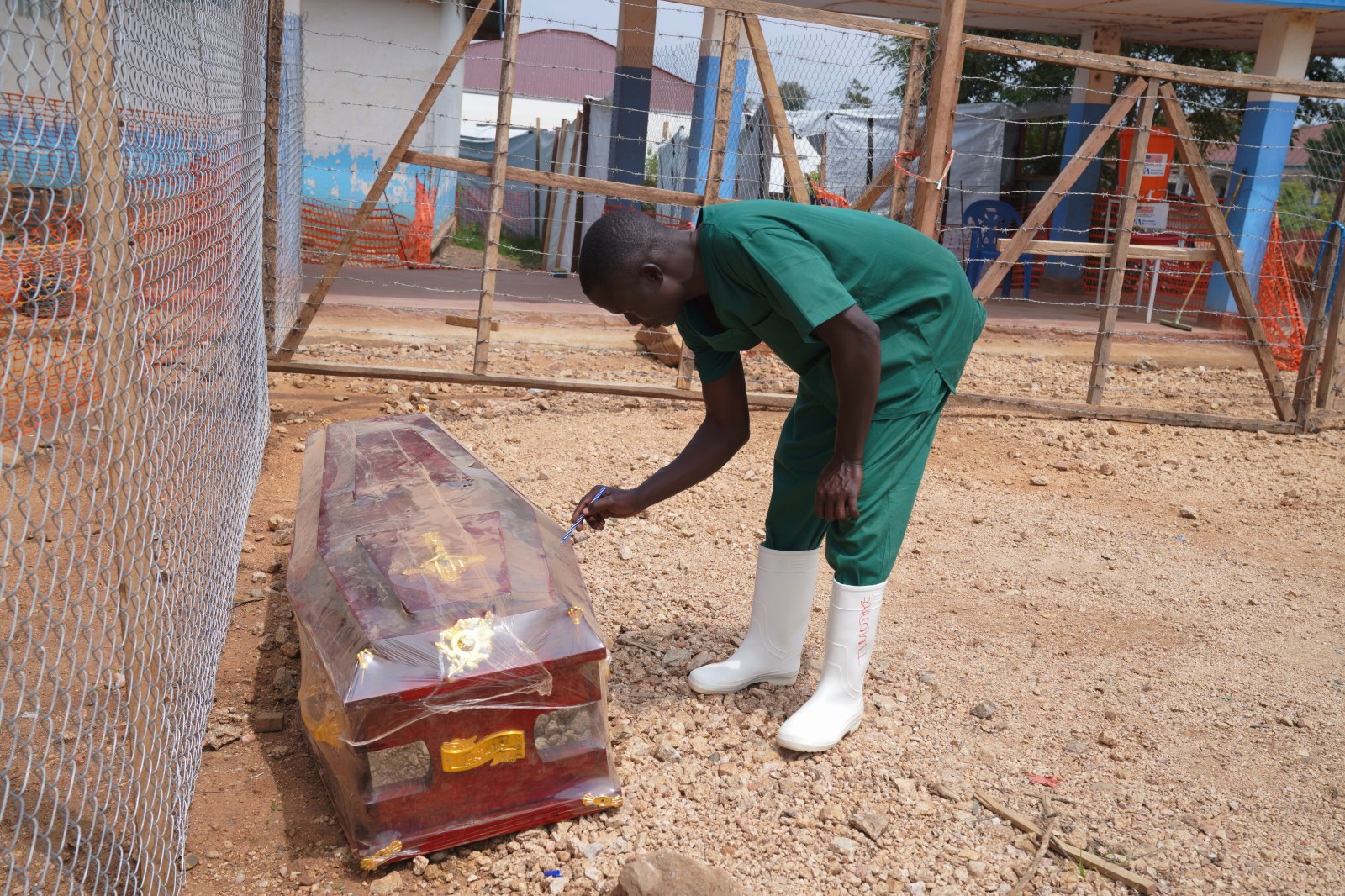
A rapidly expanding Ebola outbreak in the Democratic Republic of Congo has resulted in over 2,000 deaths, marking it as the second-largest outbreak recorded. The Bundibugyo strain of the virus has spread across multiple Congolese provinces and into Uganda, prompting an international health response.
The speed of this outbreak has alarmed health officials. The U.S. Centers for Disease Control and Prevention (CDC) noted the epidemic reached 1,000 confirmed cases in just 40 days since response activation. This is much faster than Congo’s major 2018 Ebola outbreak, which took about 235 days to reach the same milestone.
The outbreak is happening in a challenging region facing humanitarian issues, displacement, and substantial cross-border movement. These factors complicate containment efforts. The World Health Organization (WHO) reported an increase in surveillance, contact tracing, and preparedness activities in Congo and Uganda.
Risks to International Workers
American aid workers, missionaries, doctors, and humanitarian staff in affected areas face higher risks due to potential contact with infected individuals. The CDC reported that in July, a U.S. citizen working for a humanitarian organization in Congo contracted the Bundibugyo strain and was evacuated to Germany for treatment.
Health officials express concern as the Bundibugyo species of Ebola currently lacks an approved vaccine or specific treatment. While supportive care may help, the absence of targeted countermeasures underscores the importance of effective containment. The CDC described the spread as “substantially faster than previous outbreaks.”
“Reported deaths rose rapidly during the summer,”
the CDC stated.
Impact on the Region
The European Centre for Disease Prevention and Control (ECDC) reported Congo’s total of 4,449 confirmed cases and 2,061 deaths as of August 10. It stated that 716 patients were isolated in hospitals across 53 health zones.
The outbreak has mainly affected the provinces of Ituri, North Kivu, South Kivu, Haut-Uele, and Tshopo. Uganda declared its outbreak over on July 28 after no further infections were detected, though travel-related cases were reported.
This outbreak ranks among the worst since the 2014-2016 West African epidemic. The CDC noted it as the second-largest Ebola outbreak recorded.
Concerns for the United States
The CDC assures that no Ebola cases related to this outbreak have been confirmed in the United States, and the risk remains low. The possibility of Ebola spreading to the U.S. is considered “very low.” Even if an infected individual reached the U.S., the risk of wider transmission remains low due to its robust public health infrastructure.
Ebola spreads through contact with blood or bodily fluids of infected individuals rather than through the air like influenza or COVID-19. Timely identification and monitoring of cases ease containment efforts.
Health agencies remain vigilant. Countries have reported imported cases linked to travel from affected areas, requiring medical evacuations and specialized treatment.
Response Efforts
The CDC has initiated response efforts in collaboration with international partners, focusing on surveillance, laboratory testing, infection prevention, and contact tracing. The U.S. government has allocated hundreds of millions in additional funding for outbreak response and preparedness in Central and East Africa.
Health officials urge Americans to remain informed about the outbreak without succumbing to panic. Despite the virus’s spread in Africa, the CDC’s latest assessment rates the risk to the U.S. public and travelers as low.
Leave a Reply