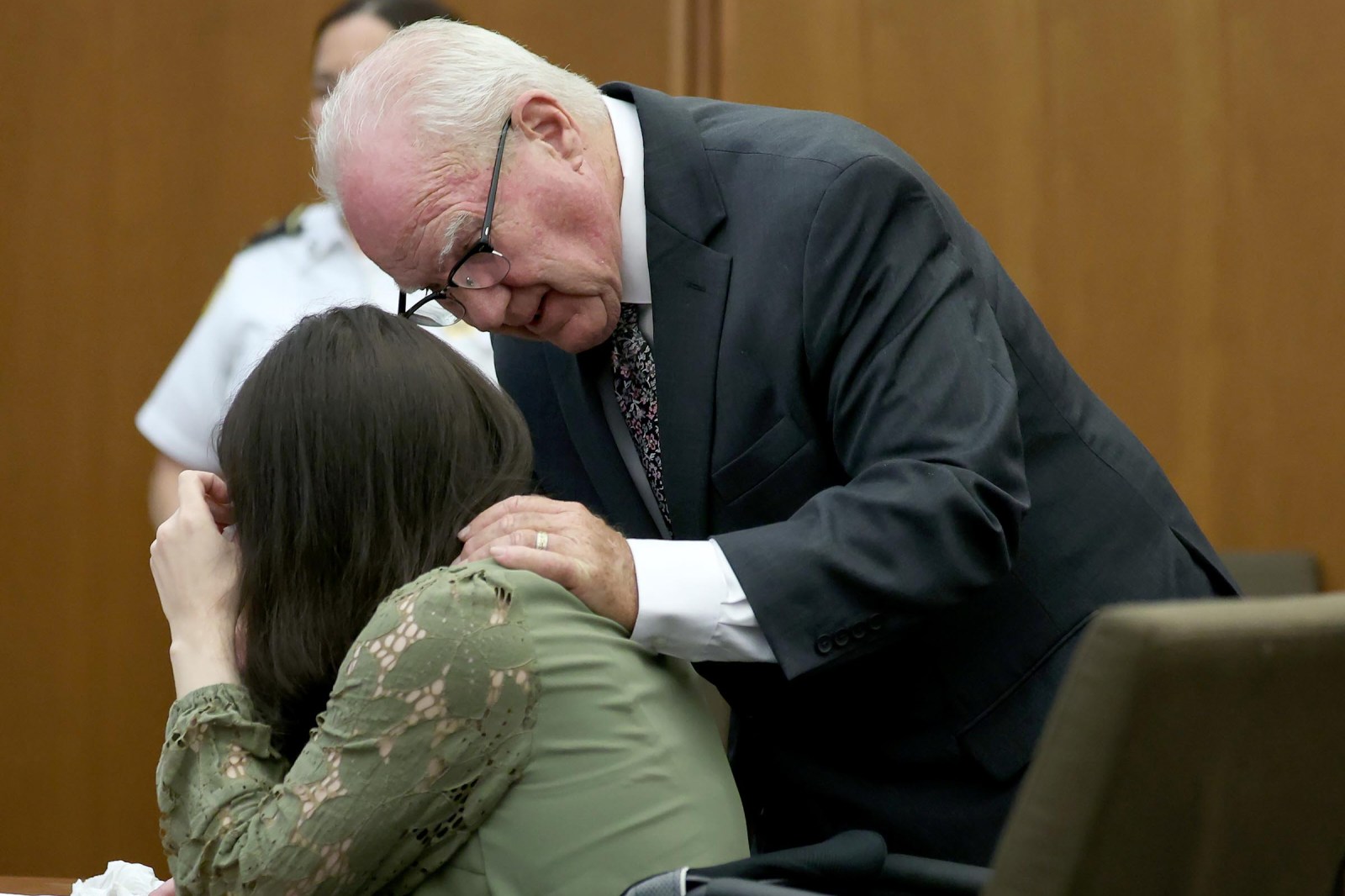
Emotional Testimony in Lindsay Clancy Trial
Wednesday’s court session took a highly emotional turn in Lindsay Clancy’s trial. Jurors heard poignant accounts of the tragic injuries her three children endured, prompting multiple recesses. The judge issued a solemn reminder about the importance of impartiality for the jurors as the trial progresses.
Graphic Testimony and Emotional Outbursts
The most intense moment was when medical examiner Dr. Renee Stonebridge testified about the children’s injuries. Clancy broke down, crying loudly in court. The courtroom briefly recessed when her sobbing became too pronounced.
Judge William Sullivan reminded the jury of their duty to base their verdict solely on the evidence, unaffected by sympathy or anger. Despite this, the trial continued with Dr. Barbara Olsen giving her testimony, which triggered more tears from Clancy. The session eventually adjourned around 4 p.m.
Forensic Evidence on Children’s Injuries
Dr. Stonebridge delivered a detailed account of the children’s injuries consistent with strangulation. She described damage to Cora’s and Dawson’s eyes, indicating hemorrhaging tied to a similar cause.
Clancy faces accusations of using exercise bands to strangle her three children, Cora, 5, Dawson, 3, and Callan, 8 months, in their Duxbury, Massachusetts home on January 24, 2023. Despite these accusations, she pleads not guilty.
The defense argues her severe mental illness, specifically postpartum psychosis, at the time. During testimony about Callan, the youngest child, Stonebridge noted his brain injuries caused by oxygen deprivation, explaining the irreversible nature of such damage.
Conflicting Assessments of Mental Health
Under cross-examination, mental health counselor Latiesha Dukes admitted she never reviewed notes from Clancy’s psychiatric nurse, Rebecca Jollotta. This discrepancy in treatment assessments becomes critical, highlighting the incomplete understanding of Clancy’s mental state.
Jollotta’s testimony revealed Clancy’s concerning symptoms like intense anxiety, extended sleeplessness, and significant weight loss. Dukes was unaware of these conditions and the emergency visit Clancy made on December 15.
No Investigative Basis for ‘Voices’ Theory
Sergeant Dan Lawlor of Massachusetts State Police testified about an unsubstantiated theory related to psychologist Paul Zeizel and Clancy. Prosecutors questioned the legitimacy of Clancy’s statements of hearing voices. These emerged only after Clancy’s interaction with Zeizel.
Under scrutiny, Lawlor stated he had no first-hand knowledge of Clancy’s conversations while hospitalized. He emphasized the absence of an investigative foundation for claims that Zeizel influenced Clancy’s statements.
Clancy’s Suicidal Thoughts in December 2022
Dukes also discussed Clancy’s suicidal ideations during December 2022, noting a lack of a specific plan. Despite recommending partial hospitalization, Clancy appeared to improve by December 19, engaging more actively with her family.
Both the defense and prosecution use this information to support opposing narratives. The defense highlights repeated suicidal thoughts and a need for heightened care. Prosecutors focus on the absence of a plan and perceived improvements before the incident.
Next Steps in the Trial
The trial progresses to an emotionally charged stage, shifting from Clancy’s psychiatric history to forensic testimony. Both parties present their arguments about Clancy’s state of mind at the time of the children’s deaths.
Should the jury find Clancy guilty of first-degree murder, she faces life imprisonment without parole. If deemed not criminally responsible, she will be committed to a state psychiatric facility.
Leave a Reply