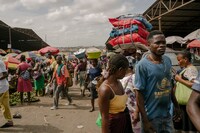
In the bustling Catinton Market of Luanda, Angola, vendors sell fruits and vegetables under umbrellas that offer scant relief from the intense heat. This vibrant scene appears distant from the U.S.-Israeli conflict with Iran, yet its effects are keenly felt here.
Angola, with a population of 40 million, ranks among the world’s most unequal nations. Half of its people live on less than $3.65 per day, while oil revenues benefit a small ruling elite. The Iran conflict has exacerbated these disparities.
Although Angola bypasses the Strait of Hormuz for oil exports, rising costs in food, fuel, and fertilizer weigh heavily on the poor. Wealthy and politically connected individuals profit from increased reliance on Angolan oil.
“The poorest households are the most affected in virtually every country,” economist Arsénio Bumba noted, as global economic uncertainty pushes up import costs.
Local vendors, like Veronica Simon and Isabelle Ferreira, face severe challenges. Selling red peppers, they struggle with quadrupled wholesale prices and reduced earnings, often making less than $2.50 daily.
Jucy Manuel, who sells peanuts, echoes similar struggles, cooking half as much food for her children due to inflated prices of essentials like cooking oil, sugar, rice, and butter.
For the Angolan government, rising oil prices bring a financial windfall, with oil contributing to 30% of the GDP and 65% of government revenue. Officials plan to use this windfall to reduce debt and stabilize food and medicine supplies, with measures to control inflation.
However, communities like Bairro da Lixeira feel neglected, with long-standing issues of corruption and governmental inaction. The area, littered with trash and lacking basic services, epitomizes the frustration many Angolans feel.
Residents, such as Joveth Hebo, express skepticism about any benefits reaching them. Though aware of the global conflict’s impact, Hebo sees little hope for improvement. Economic pressures forced him to abandon his legal studies, and he survives by scavenging for materials to sell.
As the 2027 presidential election approaches, governmental efforts to address poverty face immense pressure. Angola, governed by the People’s Movement for the Liberation of Angola since independence, faces demands for substantial reforms.
Leave a Reply