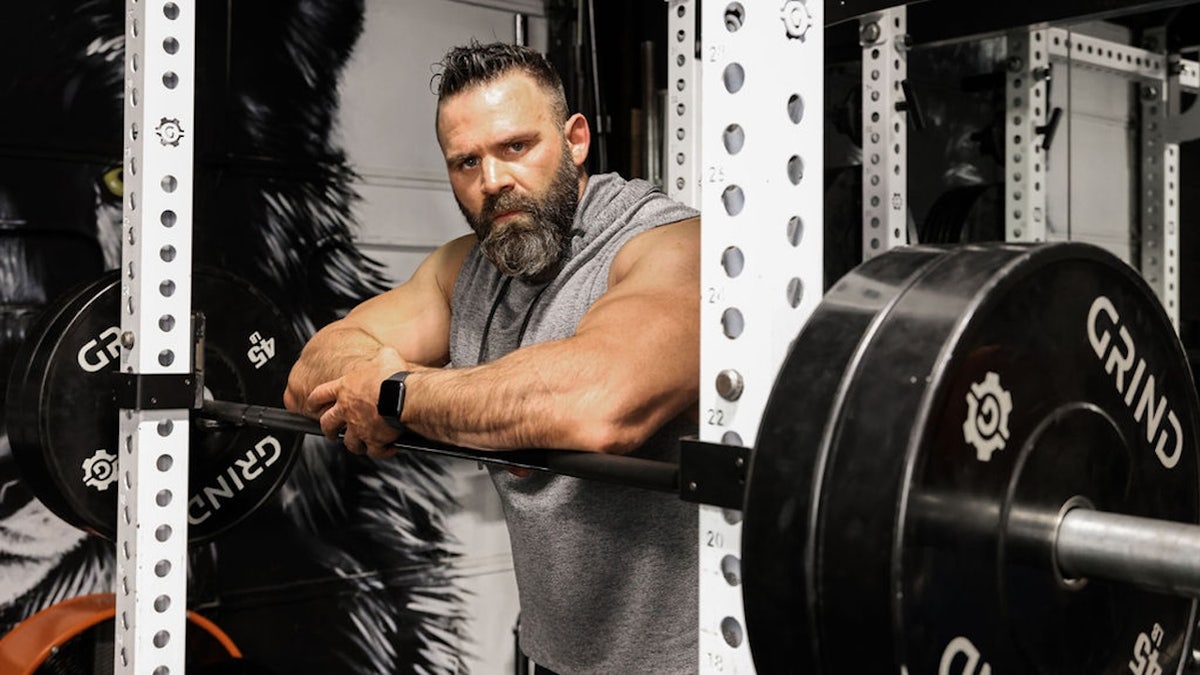
Post-exercise recovery can play a crucial role for older adults. Muscles in aging individuals often respond less to protein and other muscle-building signals. Focusing on recovery helps in tissue repair and strength preservation.
Jacob Zemer, a fitness coach based in New York, works with clients aged 35 to 55, emphasizing recovery strategies. ‘My clients focus on longevity and aging well rather than becoming bodybuilders,’ he shared.
1. Prioritize Quality Sleep
Quality sleep matters. Aim for seven to nine hours each night. Zemer suggests steps for better sleep:
- Stop eating two hours before bedtime to lower resting heart rate.
- Stick to a regular bedtime schedule.
- Avoid screens two hours before bed.
- Steer clear of stressful talks before bed.
- Take a hot shower to help with sleep by cooling your body afterward.
- Keep bedroom temperature between 60 and 65 degrees.
- Ensure the bedroom is as dark as possible.
2. Undergo Regular Bloodwork
Regular health checkups identify issues that hinder recovery. Monitoring hormone levels is crucial as the body changes with age. Preventive testing varies based on age, gender, symptoms, and medical history. Screenings often cover high blood pressure, prediabetes, type 2 diabetes, and osteoporosis.
3. Use Heat for Recovery
Heat exposure can aid in muscle recovery. It widens blood vessels, boosting circulation and nutrient delivery to muscles. Zemer suggests options like hot showers after workouts to enhance gains.
4. Stretch After Workouts
Post-exercise stretching helps restore muscle length. Strength training shortens muscles, demanding stretching for mobility and range of motion.
5. Ensure Proper Nutrition and Hydration
Protein intake post-workout aids muscle repair. The International Society of Sports Nutrition advises 20-40 grams of protein after training, with individual needs varying. Hydration is vital before exercising to ensure effective sessions.
6. Allow Time for Stress Relief
Even beneficial exercise stresses the body. Take time for a meal and rest to aid recovery. If recovery takes a week, workouts may be overly intense, indicating a need to reduce effort levels.
Exercise involves cycles of stress, adaptation, and recovery. Recovery hinges on adequate rest, sleep, and nutrition.
Difference Between ‘Good Sore’ and ‘Bad Sore’
Feeling sore post-exercise is normal, but be aware of excessive soreness. Discomfort lasting beyond a few days indicates overexertion. Ease into routines and reduce effort if needed. Exercise endorphins can mask pain, but discomfort may worsen once these effects fade.
If soreness and joint pain persist, reduce workout intensity temporarily. For instance, cut back the number of sets to allow better recovery.
Leave a Reply