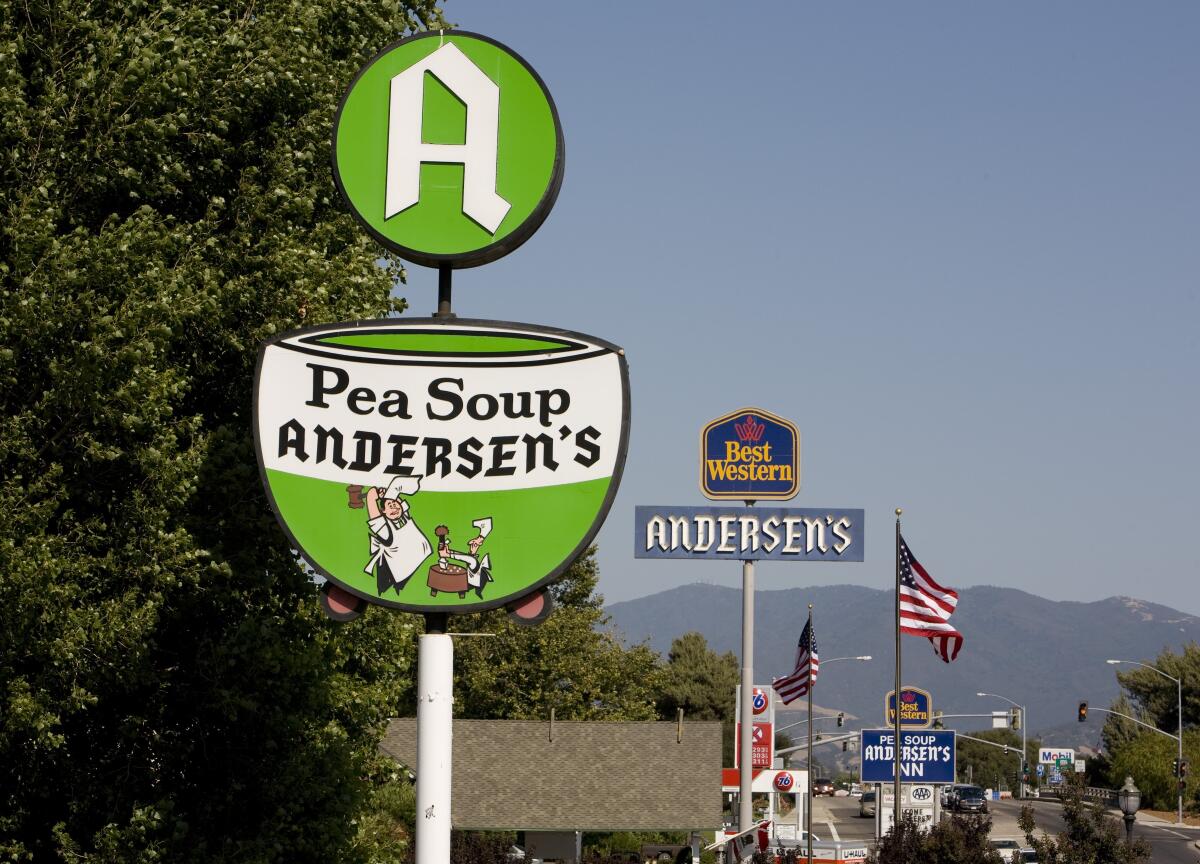
For nearly a century, Pea Soup Andersen’s served millions of steaming bowls to road-trippers in California’s Central Coast. The restaurant was not only known for its food but also for its unique charm. Its presence in Buellton created fond memories for those stopping by.
Unfortunately, this landmark has faced a harsh ending. In early 2024, the Scandinavia-inspired eatery shut its doors, leaving locals and travelers mourning. Coupled with its closure was the immediate commencement of vandalism. Ketchup and mustard were sprayed across the dining area, and thieves raided the premises for copper. The desire to preserve historical artifacts was undermined by ongoing destruction.
The situation became critical, prompting city officials to vote for partial demolition despite no immediate redevelopment plans.
City Manager Scott Wolfe voiced concerns about potential safety threats, anticipating danger like fires. The city faced a dilemma: balancing safety with historical preservation. This iconic eatery started in 1924 on land once used as a horse ranch. Founders Anton and Juliette Andersen opened “Andersen’s Electric Cafe,” which evolved over time. Juliette introduced several dishes, including their famous split pea soup.
The couple’s son later renamed it “Pea Soup Andersen’s” and, by 1976, a second location opened in Santa Nella. However, business declined in Buellton. In January 2024, the restaurant’s closure marked the end of an era. Developer Ed St. George soon bought the property for $4.95 million. Wolfe, who moved to the city in 2019, noted that the restaurant was often far from bustling.
To protect history, Wolfe proposed making it a historic landmark, allowing city engagement over future site usage. But by the council’s recent decision, much had already been lost. Thieves stripped the property bare, including its copper accents.
The vandalism began immediately post-closure. Mustard and ketchup were spread across the space, and intruders camped inside. The situation escalated to a point where police engagement through SWAT training temporarily deterred illegal occupancy.
Councilmember John Sanchez admitted to trespassing to witness the disarray himself. The abandoned space attracted urban explorers eager to document the site’s remnants, following similar issues encountered at other closed venues like Westminster Mall. With its sizable and secluded location, the site continued to draw intrusions.
Efforts to secure the area have proven challenging. The property’s owner attempted multiple measures, including fencing and boarding up entrances, yet these steps failed to deter intruders effectively. The restaurant’s unfortunate path leaves city leaders grappling with the repercussions while striving to maintain a link to its storied past.
Leave a Reply