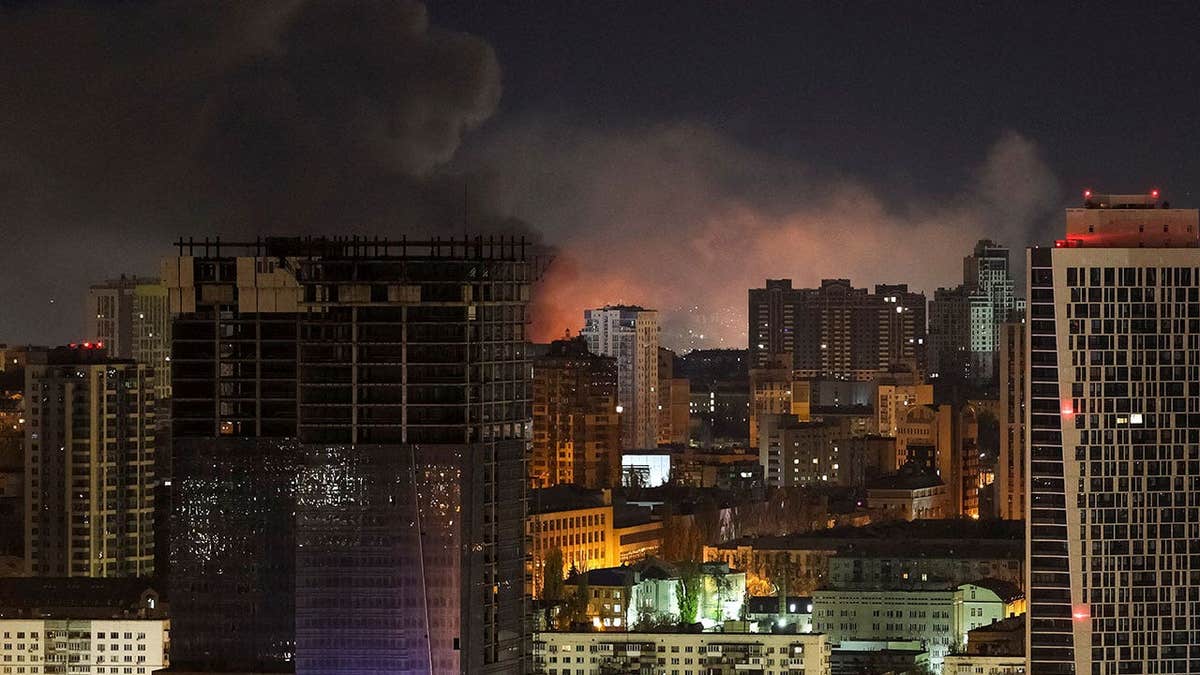
Just hours after a summit in China with Russian President Vladimir Putin, U.S. President Donald Trump, and Chinese President Xi Jinping, Russia launched a significant attack on Ukraine. The strike resulted in at least eight deaths and targeted infrastructure in Kyiv, including three major bridges.
The attack on Ukraine coincided with diplomatic developments. The Trump administration announced efforts toward new peace talks with Russia. However, the situation on the ground remained tense.
A European intelligence source indicated that Russia is preparing for an intensified military campaign over the winter. The source suggested that Russia aims to force Ukraine into territorial concessions through sustained pressure and diplomatic negotiations.
“They are convinced that by spring Ukrainians will give up,” the source informed Fox News Digital.
Retired Gen. Philip Breedlove, former NATO Supreme Allied Commander Europe, expressed skepticism about Putin’s intentions. He stated that Putin has historically responded to diplomatic efforts from Trump with further aggression against Ukraine.
Assault on Kyiv and Lviv
Ukrainian President Volodymyr Zelenskyy reported that more than 400 drones and 110 missiles targeted Ukraine’s energy and transport infrastructure. The strikes killed six in Kyiv and two in Lviv. Transportation in Kyiv was disrupted, and power outages occurred due to the attacks on energy facilities.
In Lviv, the attack on the Sknyliv railway station resulted in fatalities. Damage extended to residential areas and a hospital.
Incursions Into NATO Territory
The assault also affected Poland, a NATO member. Polish authorities reported that Russian missiles entered their airspace, including a suspected cruise missile. These incidents raised concerns about Russia testing NATO’s response.
Breedlove noted that such actions could encourage further aggression if not addressed.
Diplomatic Developments
Despite military aggression, diplomatic efforts moved forward. The U.S. announced some progress with Russia’s agreement for expanded talks with European involvement. However, Russian Deputy Foreign Minister Sergei Ryabkov indicated that European participation wasn’t fully confirmed.
An intelligence source suggested Russia uses these negotiations to strengthen its position and shift the focus to broader European security issues.
Russian recruitment efforts are reportedly targeting people facing financial and social challenges to bolster their forces without a large-scale mobilization.
Moscow appears to be relying on increased troop numbers rather than the quality of recruits, which raises concerns about troop readiness.
The conflict in Ukraine continues, presenting challenges for diplomatic negotiations as military operations remain ongoing.
Leave a Reply