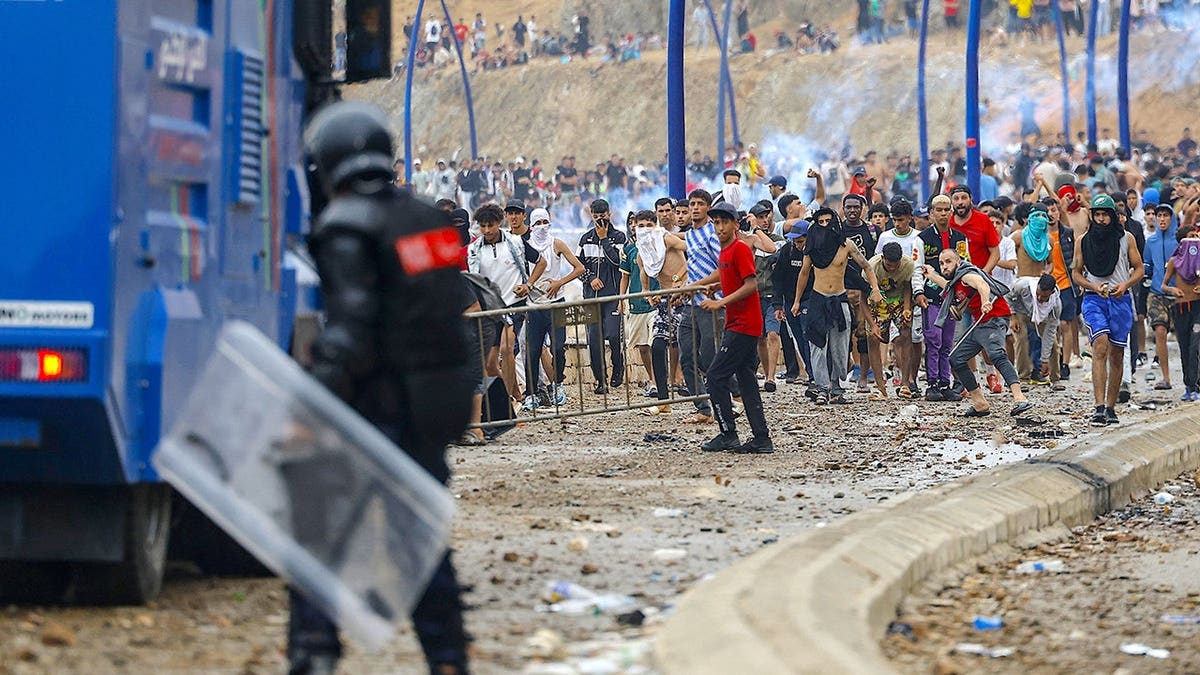
The recent surge of roughly 72,000 Moroccan migrants into Ceuta, a Spanish city, has highlighted Europe’s longstanding challenges with migration and Islamist extremism. The influx has renewed discussions on how these issues impact European security and political landscapes.
“This is Europe. This is the way it has been for the last 15 years, with some ebbs and flows.” – Lorenzo Vidino, The George Washington University
Migration and Terrorism Concerns
Moroccan migrants clashing with security forces at the Morocco-Spain border reflect the complexity of migration crises and radicalism. Reports from Spanish media indicated potential presence of individuals with terrorism-related backgrounds among new arrivals. Yet, Spain’s interior ministry assured public safety.
Spain reported 117 arrests for jihadist terrorism-related offenses in 2025, the highest within the EU according to Europol. This data underscores the importance of addressing radical Islam’s origins.
Political Responses and Criticism
European commentators argue the political class must confront radical Islamist foundations head-on. There’s criticism of leaders like British Prime Minister Andy Burnham and Mayor Sadiq Khan for allegedly propagating radical narratives. According to critics, Western leaders should support efforts to dismantle extremist regimes.
“Europe’s ruling classes need to be honest. It is not racist to point out the obvious: that most terrorism in Western Europe today is being fueled by radical Islamic mosques and teachers.” – Tom Gross, Political Commentator
Security Measures and Rising Threats
The UK responded to rising threats by increasing its national terror threat level following antisemitic attacks. Mayor Khan announced investments to combat hate and intolerance, raising questions about the effectiveness of community programs.
Germany also faces growing hate crimes linked to extremist ideologies. Interior Minister Alexander Dobrindt questioned the release of a perpetrator of a Berlin attack, emphasizing the need for tighter security measures.
“It certainly would have made sense to put this person in custody.” – Alexander Dobrindt, German Interior Minister
International Lessons and Strategies
Experts suggest the U.S. should learn from Europe’s experiences to better tackle extremism, by encouraging shared identity and disrupting extremist funding.
“To address the threat at its source, European governments need to focus on preventing radicalization and disrupting foreign funding.” – Nervana Mahmoud, Medical Doctor and Commentator
Moving Forward
The complexity of the situation demands a focus on radicalization prevention and enhancement of security capabilities. Although progress is ongoing, challenges persist as European nations balance security and civil liberties.
Security agencies are reportedly becoming more capable, although discrepancies remain between nations with varied historical approaches to combating extremism.
Leave a Reply