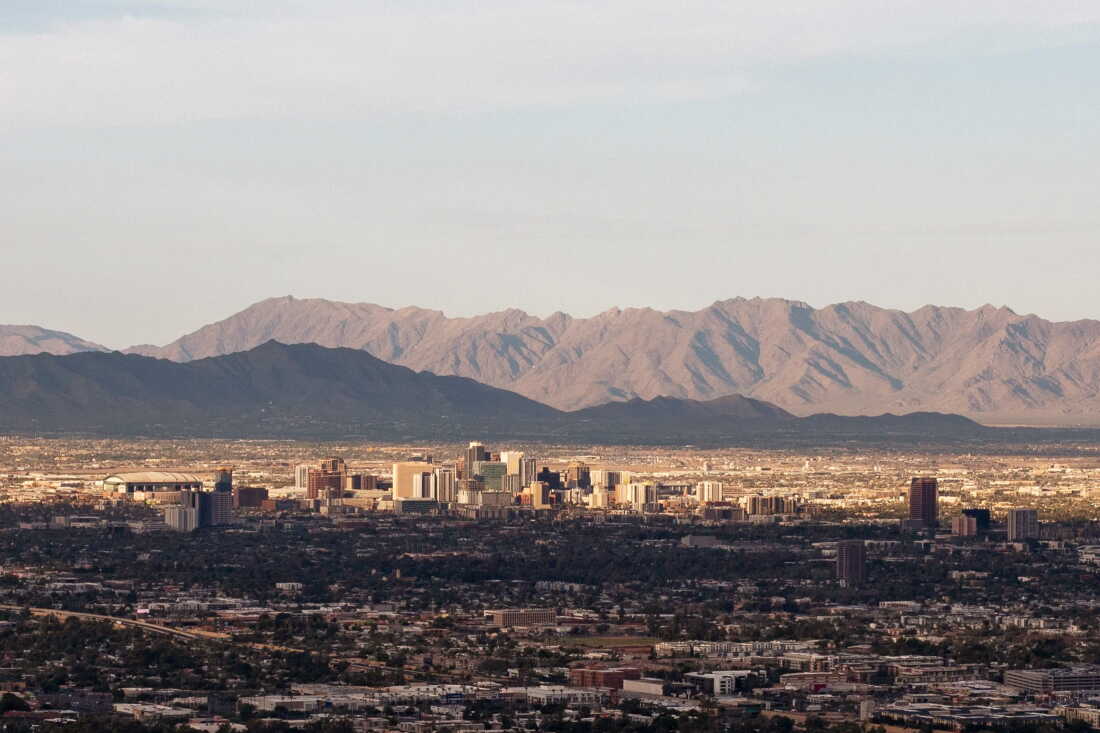
Arizona faces a severe heat crisis, with hundreds of residents dying from heat-related causes each year. Manufactured home residents are particularly vulnerable.
A National Public Radio (NPR) investigation found that thousands of Americans die from heat annually. Yet, official records heavily underestimate these figures. Among those most at risk are residents of mobile homes and trailers.
At Arizona State University, geographer Patricia Solis explores the phenomenon. Tasked with addressing Arizona’s intense heat, Solis used her expertise to uncover patterns affecting those most at risk. In Maricopa County alone, heat-related deaths outnumber other weather-related fatalities such as hurricanes or tornadoes.
It’s too many casualties annually, creating a crisis felt across the community,Solis states.
The maps Solis examined showed concentrated areas of heat deaths combined with low assistance for power bills. These clusters were predominantly mobile home parks.
Research shows mobile home residents in Maricopa County face six to eight times higher chances of heat-related deaths compared to those in traditional housing. An investigation by NPR and Boston University reveals roughly 9,000 Americans die from heat-related causes yearly—far more than official federal statistics suggest.
The susceptibility is due to several factors including the age, condition, and financial status of manufactured housing residents.
The Story of Sheri Petty
One such individual was Sheri Petty, who lived with her daughter, Tara Gentner, in a trailer in Tucson. They struggled to maintain cooler temperatures due to malfunctioning air conditioning and financial constraints. Petty died from heat exposure at home, illustrating how deadly indoor heat can be.
Pima County, where Petty resided, has one of the highest per-capita heat-related death rates. Nearly 10% of its housing is manufactured, with higher rates of older homes that lack proper cooling infrastructure.
Valdez’s experiences with electricity outages highlight the vulnerabilities felt by manufactured home residents. Unplanned power cuts mean residents lose their primary cooling methods, putting lives at risk. Furthermore, the cost of running air conditioners can be prohibitive, adding another layer of complexity.
Structural Challenges and Potential Solutions
The ownership model of mobile homes—where residents may own the home but not the land—complicates matters. It generally disqualifies them from traditional mortgages and reduces motivation for significant upgrades, such as improved insulation.
Community actions are underway. Arizona officials have begun taking steps to mitigate risks for mobile home residents. Some are legally allowing residents to make heat-busting modifications to their homes.
Programs from Tucson and Pima County offer support for improving insulation, electrical systems, and cooling solutions. Despite these efforts, demand often outstrips supply.
The programs can be extended, but they require significant scaling to protect at-risk individuals fully. Addressing these issues further requires a mindset shift acknowledging climate change’s impact on indoor climates as well.
As Gentner warns, “Heatstroke doesn’t just happen outside; it happens inside homes, too.”
Leave a Reply