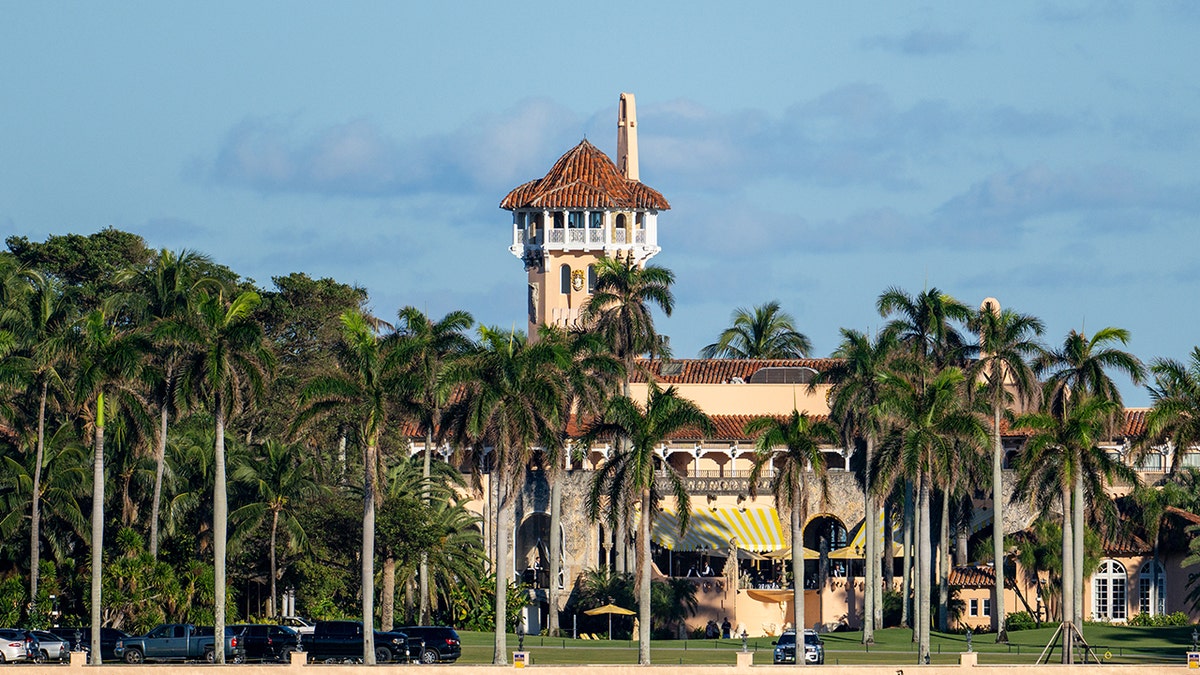
The Federal Aviation Administration (FAA) has moved to introduce permanent flight restrictions around President Donald J. Trump International Airport in Palm Beach, Florida. This move aims to secure the airspace near Trump’s Mar-a-Lago residence due to growing concerns about unauthorized aircraft and rogue drones.
This initiative stems from a request by the U.S. Secret Service, emphasizing national security. An FAA spokesperson confirmed, “At the request of the U.S. Secret Service, in the interest of national security, the FAA is proposing Special Air Traffic Rules for the airspace near Donald J. Trump International Airport (DJT).”
Under this proposal, a Special Flight Rules Area (SFRA) would be established. Aircraft flying below 2,000 feet within one nautical mile of the designated zone would need explicit clearance, maintain two-way contact with air traffic control, and continuously transmit an assigned transponder code. Arrivals and departures would have to adhere to strict security measures before accessing the airspace.
These tightened security measures follow numerous threats against Trump. Notably, a threat in June involved a plot where suspects planned to use explosive-laden drones against high-profile officials during the UFC Freedom 250 event at the White House.
Despite these steps, experts in drone technology claim these measures are insufficient. Brett Velicovich, a former U.S. Army special operations intelligence analyst and drone specialist, remarked on past security lapses. He noted an instance where a basic drone purchased online was used for surveillance before an attack in Butler, Pennsylvania.
Velicovich stated that government agencies need to adopt active interdiction strategies rather than relying only on airspace restrictions. “It’s not enough for the FAA to label an area as a no-drone zone,” he asserted. “For malicious actors, that’s meaningless.”
The FAA’s proposal is open for public feedback until October 2. The White House directed questions about the security measures to the U.S. Secret Service, which has yet to comment further.
Leave a Reply