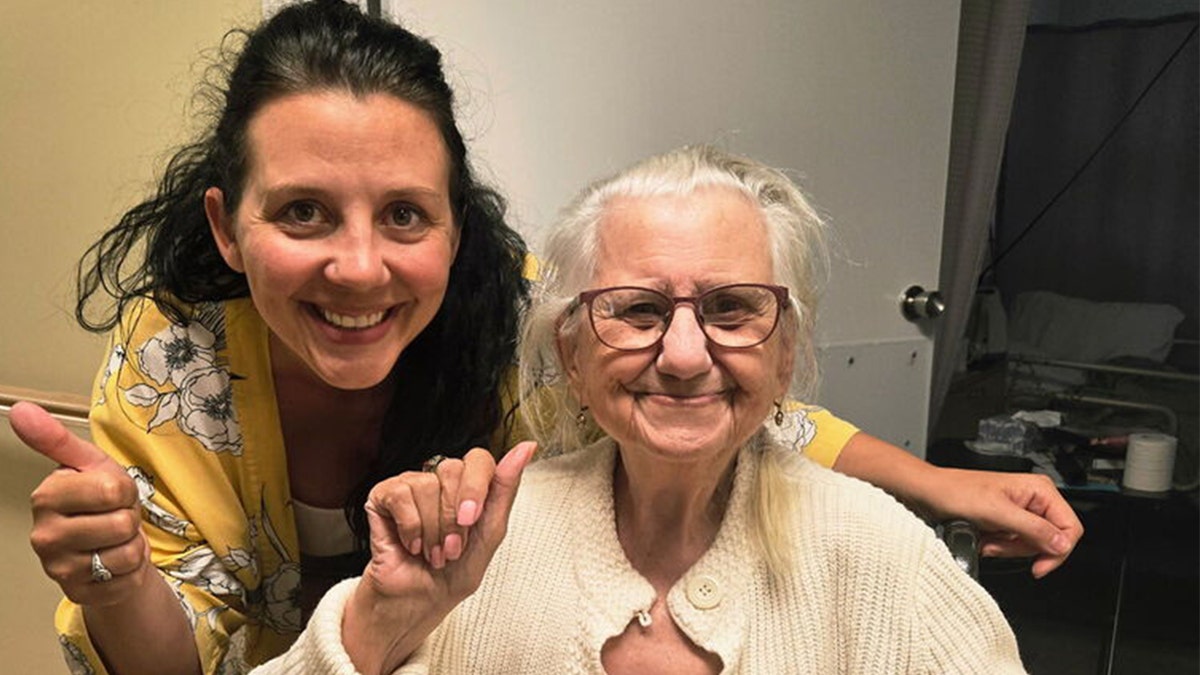
The family of an 83-year-old Canadian woman seeks explanations after her death through Canada’s Medical Assistance in Dying (MAiD) program. Reports indicate that Brigitte Stegemann died on July 10 despite allegedly being distraught when learning the procedure would end her life. Her family asserts she showed signs of cognitive decline.
The details, first reported by The Daily Mail, outline the events surrounding Stegemann’s death. Her granddaughter, Brigitte Kranendonk, had been her primary caregiver. The family had opted for care placement at The Pearl home due to Stegemann’s physical and mental deterioration. Although diagnosed with stomach cancer, Stegemann maintained a good appetite and had initially refused MAiD.
Problems began in June when Kranendonk left for a 10-day trip. During her absence, the care home informed her of Stegemann’s fall, requiring a wheelchair. Kranendonk was not notified of any major health decline. Near the end of her trip, on July 3, she received notice of plans to assess Stegemann for MAiD, despite Stegemann’s previous refusal of assisted death.
Upon returning, Kranendonk encountered resistance from a nurse when inquiring about who initiated the MAiD process. Kranendonk was told the nurse was advocating for Stegemann’s best interests. She learned Stegemann had already undergone a MAiD consultation. For the second assessment, Kranendonk was present and noticed the doctor used ambiguous language instead of mentioning death or dying directly.
During this assessment, and when Kranendonk pointed out that Stegemann did not understand, the doctor responded by suggesting the procedure would alleviate pain. Two days before the scheduled death, Kranendonk asked Stegemann if she understood the consequences of the procedure. Stegemann began crying, expressing she had “made a mistake.” The doctor informed them that Denial was possible on the day of the procedure.
On the day of MAiD, Kranendonk observed the nurse struggling with administering the IV, causing bleeding. Stegemann did not respond when the doctor mentioned “medicine” before proceeding. Stegemann died within 10 minutes.
Kranendonk regretted not pursuing legal action to halt the procedure. She appeals to the Chief Coroner’s Office, Patient Ombudsman, and Belleville Police to review its legality. According to the BBC, euthanasia legalized in Canada in 2016 is reportedly responsible for one in every 20 deaths there.
In response, Mira Metter, Director of “Broken Country,” commented on the case’s troubling aspects. Metter emphasizes the need for safeguards to protect vulnerable individuals within MAiD. Laura Echevarria of National Right to Life stated in a press release the crossing of medical ethics lines into ending lives, insisting vulnerable individuals deserve care and protection.
Leave a Reply