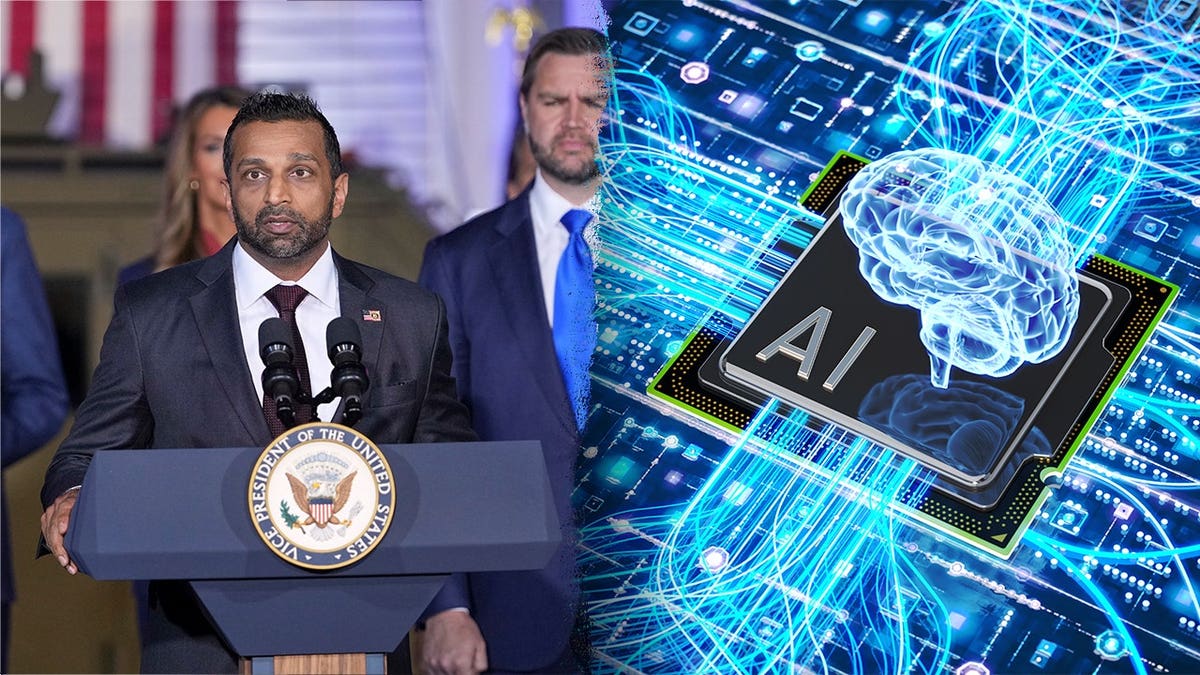
The FBI has significantly upgraded its cybersecurity capabilities to counteract the misuse of artificial intelligence by adversarial nations like China and Russia. FBI Director Kash Patel emphasized that previous leadership opted for temporary solutions, which led to an outdated technological infrastructure. This required a complete overhaul to modernize the agency’s systems.
“Everybody that looks at the bureau thinks they must have the best tech and technology in the world,” Patel said. “We didn’t because prior leadership, all they did for decades was put a band-aid over a band-aid over a band-aid and never took the time to fix it.”
According to Patel, AI serves as a supplemental tool for the FBI, helping scan databases and process public tips more quickly. This reduces response times for serious threats such as terrorist plots and school shootings.
“We get tips from our private sector partners and American citizens, and those tips come into our database now finally,” Patel noted. “Instead of an old game of telephone where 50 people have to call 50 people, and it takes three days to get us the information, it’s ingested immediately. It’s analyzed.”
The strategies Patel implemented have increased the FBI’s AI use cases from a mere two or three tests to over 140. He stresses that AI is a permanent element within the FBI, with ongoing partnerships and legal oversight ensuring the technology’s ethical use.
In recent discussions on AI regulation, technology company leaders met with President Donald Trump to endorse a self-policing moral accord. Trump remarked on the industry’s self-regulation efforts, “I think I’m seeing tremendous self-policing. And they understand that they have to self-police.”
OpenAI, among other companies, recently faced issues when the misconduct of AI models led to significant consequences, such as security breaches and internal disputes.
Leave a Reply