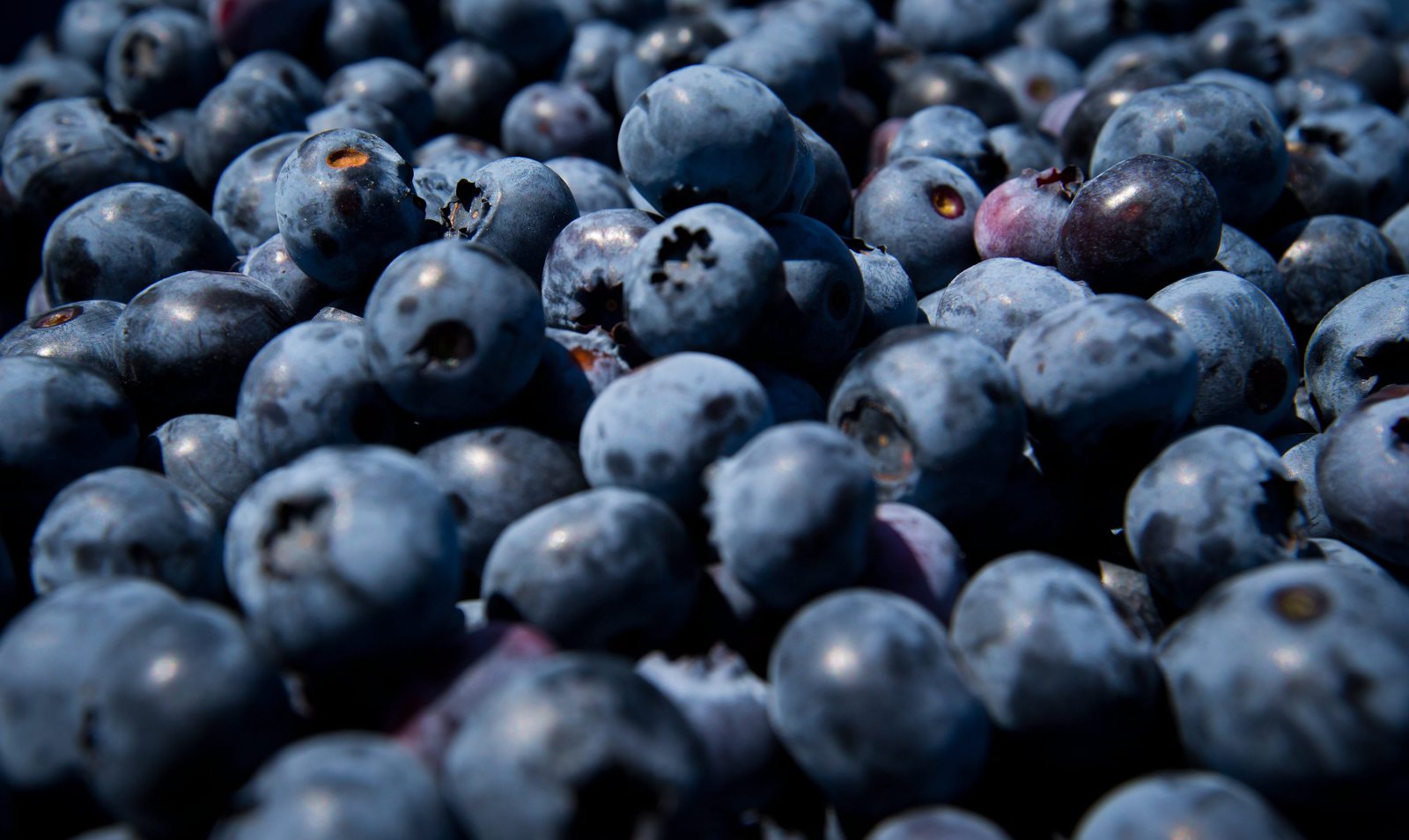
The U.S. Food and Drug Administration (FDA) has issued a Class I risk warning due to potential E. coli contamination in several blueberry and mixed berry products. This high-risk classification applies to specific GreenWise products at Publix, including:
- Organic Whole Blueberries – 10 oz – UPC: 41415-06453
- Organic Whole Blueberries – 48 oz – UPC: 41415-12053
- Organic Whole Mixed Berries – 10 oz – UPC: 41415-06753
- Organic Whole Mixed Berries – 48 oz – UPC: 41415-12153
The Class I classification indicates there is a reasonable probability that using or being exposed to the contaminated product will cause serious health effects or death, according to the FDA.
Publix initiated a recall of all lots of these products on July 29 due to the presence of E. coli O145. This strain can cause severe symptoms, including stomach cramps, diarrhea, and vomiting.
These berries were distributed to Publix locations in Alabama, Florida, Georgia, Kentucky, North Carolina, South Carolina, Tennessee, and Virginia. By July 30, the FDA had recorded 12 cases of illness in Florida and Georgia, four of which required hospitalization. No fatalities have been reported. The cases were traced back to infections occurring between May 11 and June 5, and the investigation is ongoing.
Understanding E. Coli
E. coli, or Escherichia coli, is a common bacterium residing in the intestines of humans and animals. While most strains are harmless and beneficial for gut health, some can lead to serious illness if contaminated food or water is consumed.
The specific E. coli O145 strain identified in the recalled berries is a Shiga toxin-producing variant. Such bacteria release toxins that can damage the intestinal lining, possibly leading to hemolytic uremic syndrome—a severe condition that may cause kidney failure.
Pathogenic E. coli can contaminate food and water if fecal matter is introduced. The bacteria can be transmitted via wildlife, livestock, and humans, spreading through contaminated crops, undercooked meat, unpasteurized dairy, or poor hygiene.
Anyone is susceptible to infection, though children under 5, seniors over 65, and individuals with compromised immune systems are at a higher risk for severe symptoms.
Context of Wider Foodborne Illness Concerns
The blueberry recall takes place amid growing awareness of foodborne diseases worldwide. A study supported by the World Health Organization found invasive foodborne parasites affected approximately 171 million people globally from 2000 to 2021.
This research linked 14 parasitic diseases to about 4.89 million disability-adjusted life years, combining lost life years with those living with disease. The findings highlight ongoing concerns over foodborne parasites, despite a global reduction in their overall impact.
While E. coli is a bacterium, not a parasite, the berry incident and the study collectively emphasize the persistent threats when harmful agents contaminate food supplies, highlighting the need for vigilant surveillance, strict sanitation, and prompt outbreak responses.
Leave a Reply