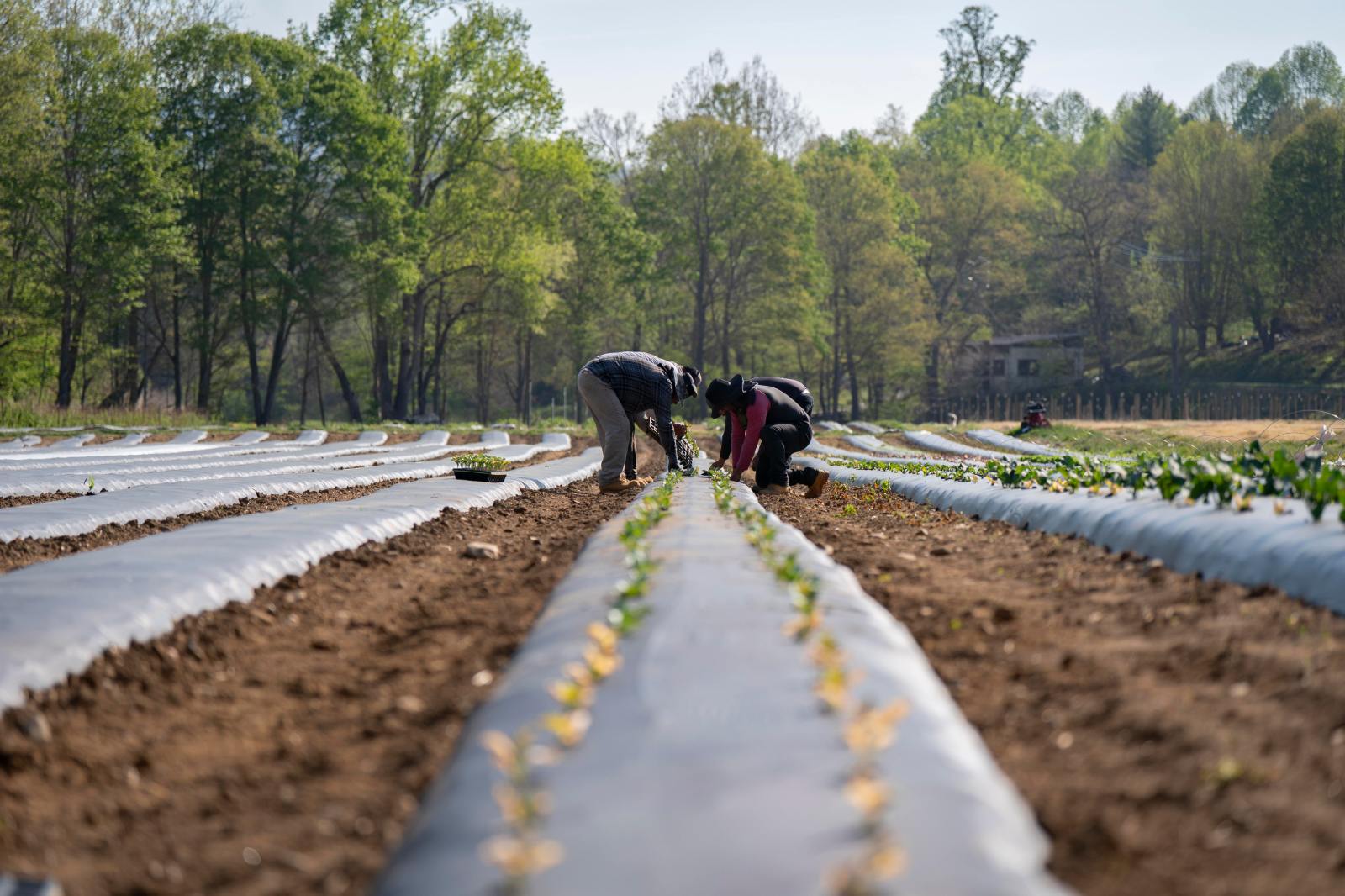
Judicial Decision on Wage Requirements
A federal judge has invalidated a rule introduced by the Trump administration that aimed to lower wage regulations for foreign agricultural workers. This decision was based on the finding that the Labor Department failed to adequately demonstrate that the changes would protect U.S. farm workers from receiving lower wages. The rule also bypassed much of the established federal rulemaking processes.
In the 28-page order issued on Tuesday, U.S. District Judge Kirk Sherriff, appointed by President Biden, determined that the Labor Department’s 2025 overhaul of the H-2A wage system was unlawful. The administration had previously argued these changes were necessary to address labor shortages in agriculture and cut costs for growers amid stricter immigration enforcement. While the judge did not immediately nullify the rule to avoid disrupting the agricultural labor market, he instructed the Labor Department to develop a new wage-setting methodology promptly. The court warned that some employers might face liability for backpay if the new wage rates are higher than currently paid.
In reaction to the decision, Teresa Romero, president of the United Farm Workers, expressed that farm workers deserve fair pay for their contributions. She urged rapid action from the government to issue new legal wage rates that safeguard local farm workers’ jobs and wages and held employers accountable for any discrepancies between the new legal wage and the existing illegal rates.
As outlined in the case, the core issue revolves around the Adverse Effect Wage Rate (AEWR), which sets the minimum wage for foreign workers hired under the H-2A agricultural visa program. Federal law mandates that the hiring of temporary foreign workers must not adversely impact the wages and working conditions of similarly employed U.S. workers. Historically, wage rates have been determined using USDA farm labor data, relying on state or regional averages. However, in 2025, the discontinuation of the USDA’s Farm Labor Survey led the Labor Department to issue an interim final rule immediately altering the wage calculation methodology.
Impacts of the Rule Change
According to the United Farm Workers (UFW), the interim final rule resulted in wage reductions of up to $7 per hour for many farm workers, varying by state. The Labor Department estimated the rule would shift $2.46 billion in wages annually from workers to employers. The rule also established a two-tier wage system, adopted a new government wage survey, incorporated a “housing adjustment” that lowered necessary wages due to employer-provided housing, and introduced job-classification standards that critics argued could diminish pay for higher-skilled duties.
Judicial Criticism
The judge found the administration’s justification for setting wage rates for the majority of H-2A positions below historical market averages inadequate. Under the rule, approximately 92% of H-2A positions were placed in the lowest skill tier, with wages determined by the 17th percentile of workers in that occupation instead of average earnings. The court criticized the housing adjustment, arguing that it could incentivize employers to favor foreign workers over American workers by making H-2A workers more cost-effective.
Citing a flawed job-classification system and a new wage survey, the judge pinpointed shortcomings that could enable employers to place workers into lower-paying categories, even if they are performing higher-paid duties.
Farmworkers’ Response and Expectations
Crisanto Serrano, a farmworker from Sunnyside, Washington, and a plaintiff in the lawsuit, expressed hope that the court’s decision would protect local jobs and wages. He highlighted difficulties faced by local workers in finding employment due to growers’ preference for hiring H-2A workers.
Looking ahead, the court has ordered the Labor Department to work promptly on developing a new wage-setting system and provide updates on progress. The current rule will remain effective temporarily during the drafting period. Employers are warned of possible wage-adjustment payments if the new wage methodology leads to higher rates than those currently paid.
Leave a Reply