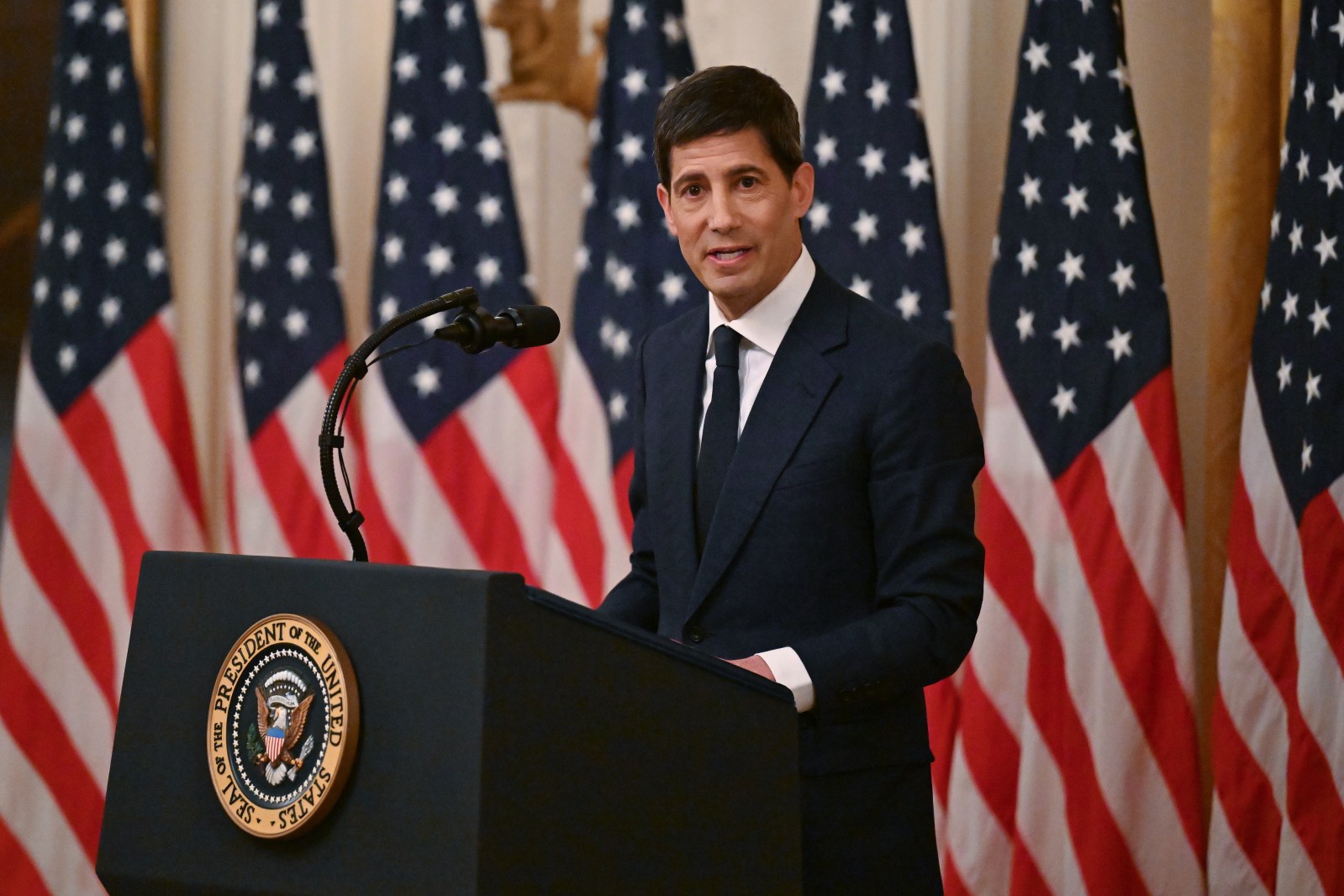
Federal Reserve Maintains Interest Rates
On Wednesday, the Federal Reserve announced a decision to keep interest rates unchanged. This marks the first major policy decision made by the new Fed chair, Kevin Warsh. The decision will set the direction for the U.S. economy in upcoming months. Policymakers are navigating persistent inflation pressures alongside uncertainty about current economic conditions.
Warsh’s decision arrives at a crucial time, with Americans increasingly worried about rising costs of living. Among Fed policymakers, half indicated potential support for a rate increase later this year. Quarterly changes showed nine of the 19 central bank officials now favor higher rates, demonstrating a shift from March forecasts. Six of those officials back two quarter-point increases due to ongoing inflation concerns.
Increased Scrutiny on Federal Reserve’s Decision
The Fed’s benchmark interest rate significantly impacts borrowing costs across various sectors, including mortgages, credit cards, savings accounts, and auto loans. Generally, higher rates can aid in cooling inflation but tend to elevate borrowing costs. Conversely, lower rates can encourage spending and growth, albeit with a risk of driving prices upward.
This recent decision carries added importance as it marks Warsh’s first rate call as Fed chair. Markets are eager to understand his approach to handling monetary policy going forward. Following the decision, U.S. stocks declined amid speculation of potential rate hikes aimed at curbing inflation.
“Economic activity is expanding at a solid pace despite elevated uncertainty that owes, in part, to the conflict in the Middle East,” the Fed said in a statement. “Inflation remains elevated relative to the Committee’s 2 percent goal, in part reflecting supply shocks that have driven price increases in certain sectors, including energy.”
Fed Task Forces and Their Objectives
Warsh introduced five task forces that will examine various aspects of monetary policy. These task forces will consist of Fed staff along with external economic professionals. Their mission is to revisit foundational principles, question current practices, explore alternatives, and propose future steps.
- Fed Communications: This task force will review the summary of economic projections, dot plots, and the frequency of press conferences. They will evaluate broader issues regarding the necessity of forward guidance.
- Fed Balance Sheet: Responsible for analyzing the benefits, risks, and transmission mechanisms of the asset portfolio, evaluating the “ample reserves” regime, and considering alternative frameworks for monetary policy execution.
- Data Sources Modernization: This group will focus on enhancing economic data collection, evaluating new data sources and methodologies.
- Productivity and Jobs: Assessing macroeconomic structural shifts, including the impact of emerging technologies like AI, and their effect on the Fed’s mandate.
- Inflation Frameworks: Investigating the core drivers of inflation and weighing strategies for ensuring price stability.
Impact on American Consumers
The Fed’s decision to hold rates has implications for household finances. Borrowing costs are likely to remain elevated, and relief for consumers may be postponed. According to finance expert Michael Ryan, while the decision maintains current pressure on borrowers, it does not benefit savers.
Despite Warsh’s potentially dovish stance, the probability of rate cuts remains uncertain. Fed Board of Governors’ consensus is challenging to attain amid current inflation levels.
Kevin Warsh’s Inflation Views
Warsh is known for his complex stance on inflation and interest rates, historically advocating for lower rates during certain periods. However, he argues for price stability, aiming for lower inflation, stronger growth, and increased take-home pay for Americans.
Warsh’s past reputation as an inflation hawk adds interest to his approach. His mixed views garner close attention on whether he will favor tightening policy to combat inflationary pressures or easing policy to bolster growth.
Public Sentiment and Economic Outlook
Despite economic strength, public sentiment is weak. A substantial percentage of Americans feel financially worse off compared to a year ago, with inflation remaining a pressing concern.
This disconnect between economic data and consumer sentiment challenges experts. As rates impact financial situations such as credit card debts, mortgage payments, and savings differently, navigating these impacts becomes complex.
Upcoming Fed Interest Rate Decision
The Federal Reserve conducts interest rate meetings eight times annually. Future decisions will factor in both inflation and economic growth data. Observers will scrutinize whether under Warsh’s guidance, the Fed signals steady policies or moves to implement rate adjustments.
Any increases in interest rates will first impact Americans through elevated costs for credit cards, mortgages, and other forms of borrowing, intensifying affordability issues.
Leave a Reply