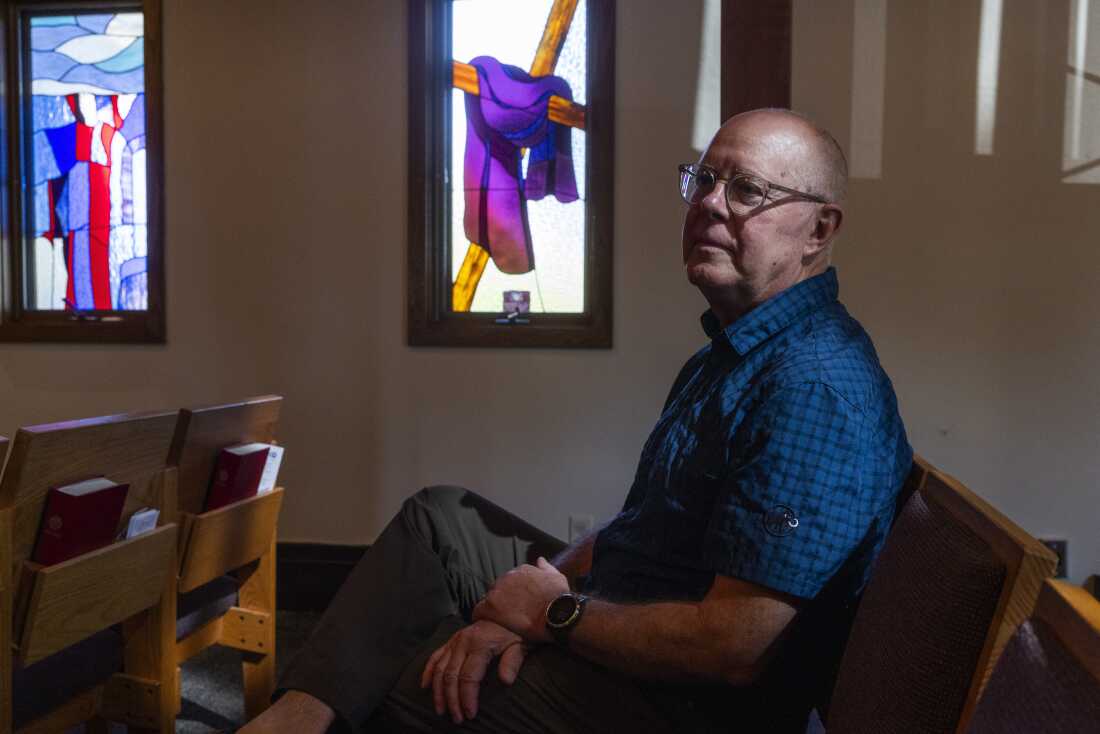
Rev. Steve Sylvester of Prince of Peace Lutheran Church in Roseville, Minnesota, recently informed his congregation that the Department of Homeland Security (DHS) had surveilled their church. This occurred during a federal immigration enforcement surge last winter. This news surfaced alongside a federal court motion related to an ongoing conspiracy case against ICE protesters.
According to government documents, an undercover DHS agent attended a meeting held by ICE protesters at the church in February. The agent gathered license plate information, as well as personal data about the attendees, including their families and jobs. ‘It feels like I’m living in 1950s Eastern Europe,’ Sylvester remarked. ‘It feels completely out of place and inappropriate.’
Surveillance Beyond Churches
The federal documents indicate that agents secretly recorded meetings in churches, libraries, schools, and restaurants across the Twin Cities. They accessed private group chats and financial records, even involving national labor organizations. Rachel Levinson-Waldman of the Brennan Center for Justice noted the immense scope of resources dedicated to this effort.
Cody Sanders, interim pastor at University Baptist Church in Minneapolis, learned that an undercover agent attended a self-defense class at his church. Sanders expressed concern that this might lead attendees to become suspicious and hesitant.
Sergio Manancero, general manager of La Doña Cerveceria in Minneapolis, experienced similar DHS surveillance during a public meeting. He mentioned understanding the government’s interests but remained skeptical about such methods.
Privacy and Legal Concerns
Levinson-Waldman highlighted that while the government has authority under the Fourth Amendment for information gathering, other laws impose limits. She also stressed that legality doesn’t necessarily align with ethical standards. The tactics used reminded some observers of historical abuses akin to COINTELPRO, targeting groups like the Communist Party and civil rights leaders.
The government defended its actions by stating they targeted specific individuals in the conspiracy case, rather than peaceful protesters. Aaron Terr from the Foundation for Individual Rights and Expression raised First Amendment concerns, noting that such surveillance could ensnare law-abiding citizens.
Wider Implications
The DHS gathered financial records from several nonprofits and labor unions as part of its investigation. Prosecutors argued this was within their authority, but concerns remained about the potential impact on political movements.
One government document labeled a web of 18 organizations as ‘The Conspiracy.’ This raised fears of a return to practices reminiscent of McCarthyism. Minnesota AFL-CIO President Bernie Burnham criticized these actions, stressing their divisive nature.
DHS and the U.S. Attorney’s Office for the District of Minnesota declined to comment on ongoing investigations. A court hearing related to the conspiracy case is scheduled for this week.
Leave a Reply