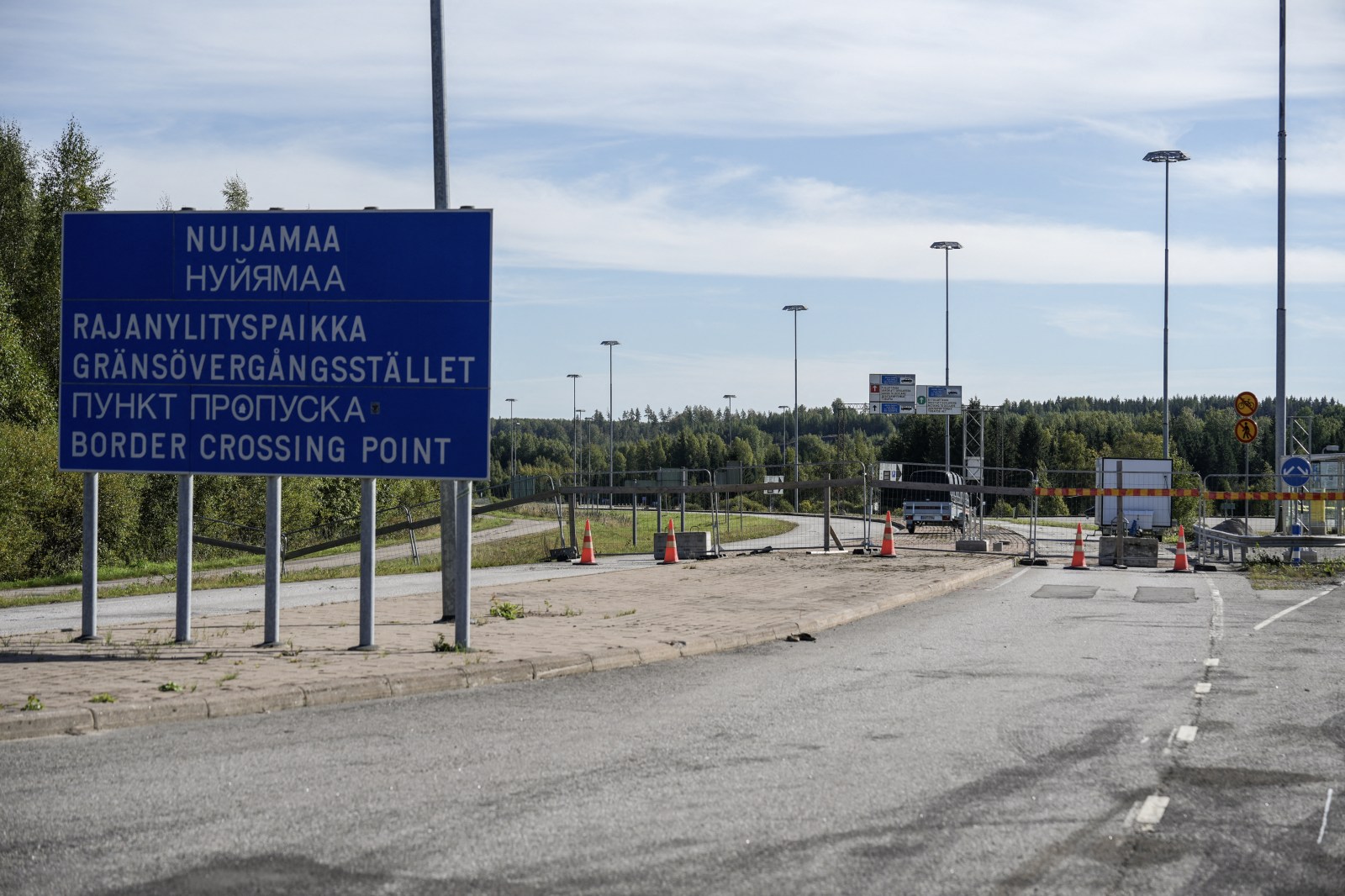
Finland’s New Border Fence
Finland has enhanced its security by constructing a border fence on its eastern boundary with Russia. This move aims to counteract Moscow’s alleged hybrid warfare tactic, which involves sending migrants to the border. Interior Minister Mari Rantanen revealed the 120-mile fence near the Nuijamaa border crossing in the southeast.
Background of Border Closure
In December 2023, Finland closed its 1,340 km border with Russia. This border is the longest between any EU or NATO country and Russia. Over 1,300 migrants arrived without visas, prompting the closure. Helsinki accused Moscow of using asylum seekers as a destabilizing tool. Moscow has denied these allegations.
Security Concerns and NATO Membership
Finland’s decision followed its termination of decades-long neutrality and joining NATO. The security threat posed by Russia, especially after its invasion of Ukraine, influenced this decision. Sari Arho Havrén of the Royal United Services Institute has indicated that the threat level at Finland’s border is high.
Tensions Between Russia and Finland
The construction of the border fence has been deemed necessary by Rantanen due to security threats from Russia. According to Finnish outlet YLE, Rantanen stated, “every state must take care of its own security and the inviolability of its borders.” The government proposes an extension of the Border Security Act to manage instrumentalized migration until the end of 2028.
All land crossings between Finland and Russia remain closed until further notice. Havrén believes these measures are due to concerns over repeated migration tactics by Russia.
Military Strengthening
Finland is also bolstering its military defenses. The Finnish defense company Patria has constructed its first F-35 fighter jet engine. Furthermore, 64 F-35A fighter jets have been ordered from U.S. defense company Lockheed Martin, with initial deliveries expected this year.
Timeline and Costs
In October 2022, Finland’s political leaders agreed on building partial fencing along the eastern border. A pilot project began in April 2023 near Imatra. The longest sections, about 80 miles, are in the southeast, with additional sections in North Karelia, Kainuu, and Finnish Lapland. The project costs 356 million euros ($413 million) and includes patrol roads, loudspeakers, lighting, and surveillance cameras.
Estonia, Latvia, Lithuania, and Poland have also constructed similar fences on their borders with Belarus.
Leave a Reply