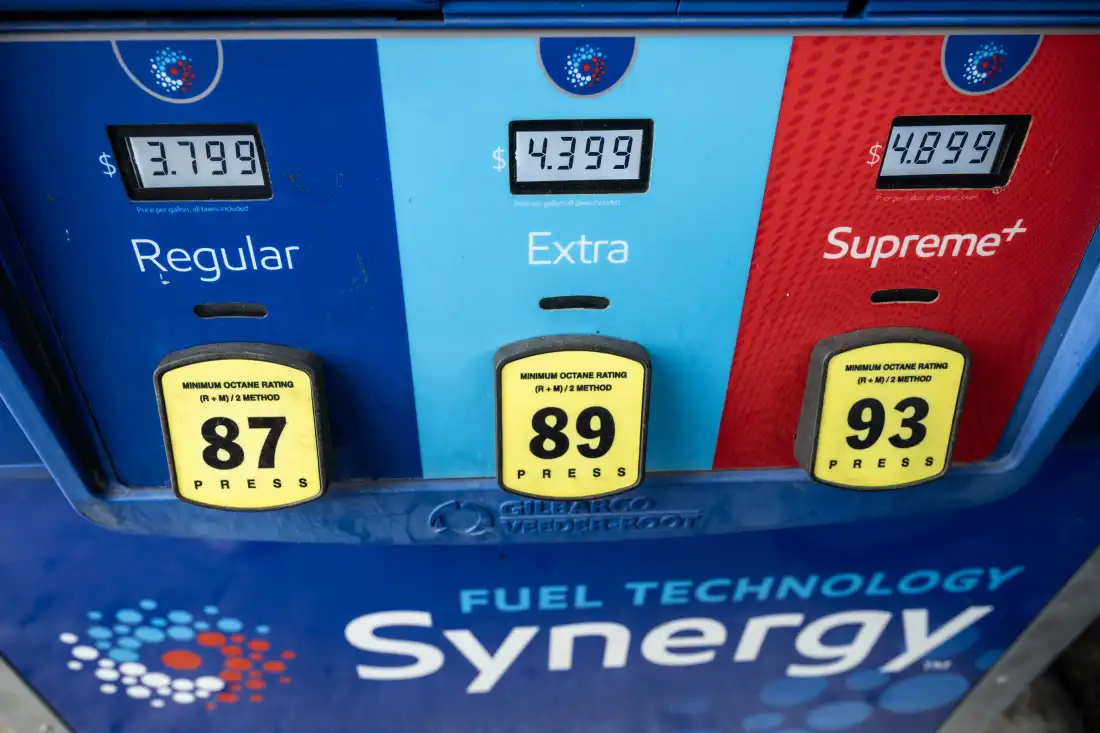
The average price of regular gasoline in the U.S. has decreased, slipping below $4 a gallon for the first time in three months. According to AAA, the national average for regular gas now stands at $3.98, a drop of 38 cents in the past month. Despite this ease, overall living costs continue to rise.
In October, consumer prices increased by 0.4% from the previous month. This exceeded expectations and was largely driven by climbing housing costs, which made up about a third of the increase. Sharp rises in grocery prices contributed as well.
Reasons for Declining Gas Prices
The fall in gas prices results from several factors: decreasing crude oil prices, refineries transitioning to cheaper winter fuel blends, and the usual seasonal decline in gas demand. Patrick De Haan, a petroleum analyst at GasBuddy, noted that colder temperatures lead to reduced use of boats and RVs, which lowers demand.
“People who have boats and RVs are probably done for the year. By Thanksgiving, if there are no geopolitical surprises, the national average could hit $3.75 a gallon,” De Haan said.
Even so, current gas prices are still record-high for this season—about a dollar higher than during the U.S. conflict with Iran. While prices have dropped, this year’s Thanksgiving travel could be more expensive than ever before.
Diesel and Heating Oil Prices
Diesel prices have also decreased, albeit more slowly. AAA reports the average diesel price at $6.15 a gallon, a reduction of 13 cents from last month. The war involving Russia and Ukraine has affected diesel supplies, as Russia is a key diesel exporter. Damaged refineries in Russia have curtailed its diesel fuel exports.
Rising diesel costs have also impacted heating oil prices, particularly in the northeastern U.S., where heating oil is closely related to diesel. Though mild autumn weather has kept heating oil costs stable, a cold spell could drive prices higher. Increased diesel costs also elevate transportation expenses, affecting goods transported by trucks, trains, or ships.
“Higher freight costs are getting passed on to consumers,” said Mike Reid, RBC Capital Markets economist. “Imports, like apparel and electronics, are showing the effects.”
Inflation Report and Impacts
In advance of the latest inflation data, Federal Reserve official Chris Waller noted that energy shocks could have prolonged inflationary effects. He hinted the central bank might need to hike interest rates more than anticipated.
This month’s report excluded the annual inflation comparison, missing last year’s data due to a government shutdown. However, the Cleveland Federal Reserve Bank estimated a 3.7% annual rise in consumer prices, outpacing the average wage growth of 3.1%. This decline in buying power likely contributed to strong voter turnout in the mid-term elections, with 49.1% of eligible voters participating.
Leave a Reply