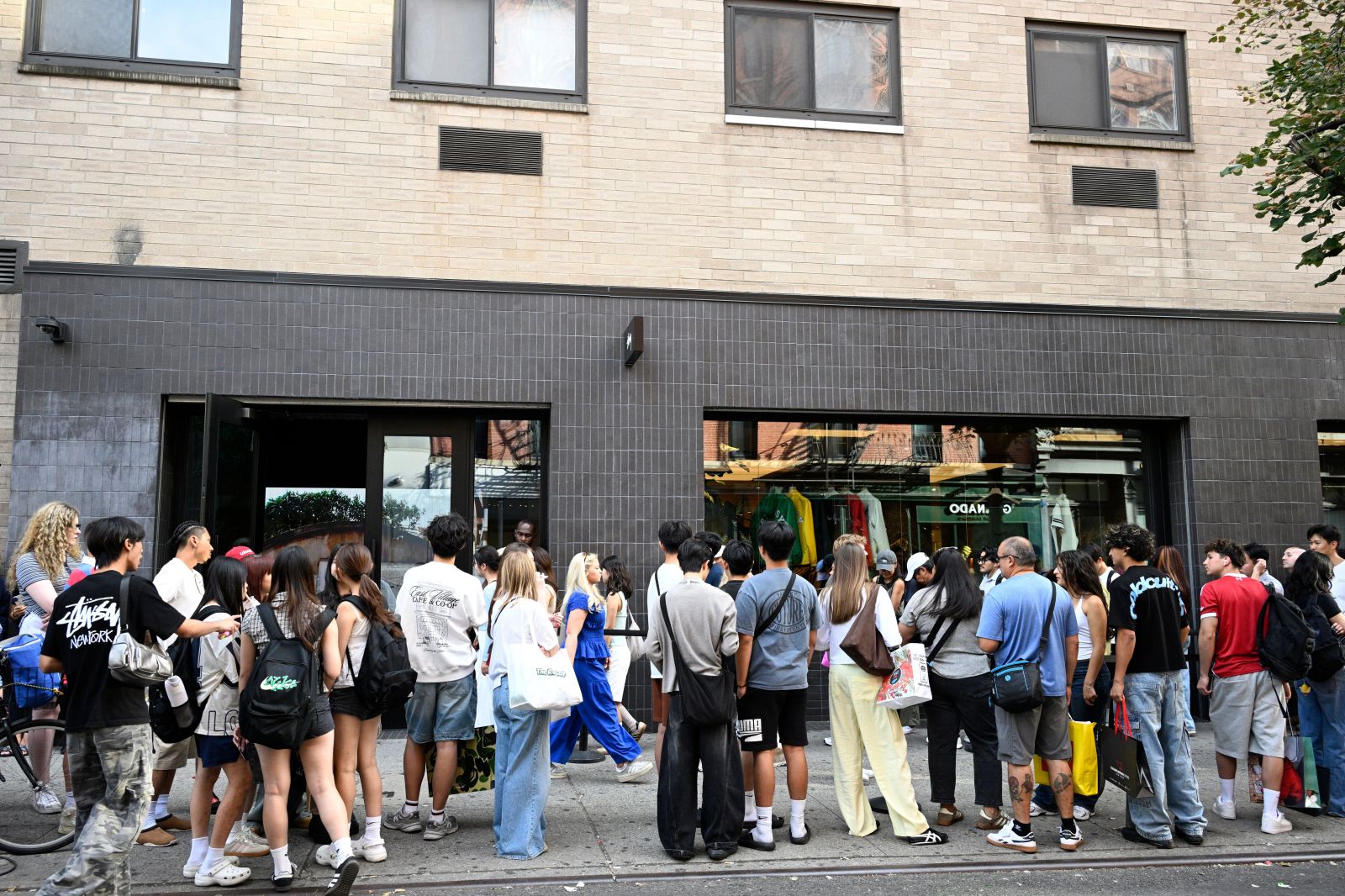
Individuals in the Gen Z age range aim to work diligently and save earlier compared to previous generations. However, their spending habits often conflict with these goals. Recent surveys indicate that the cost of living is a primary concern across age groups, with a July poll showing that 95 percent of Americans consider the United States to be experiencing an affordability crisis.
Gen Z, born between 1997 and 2012, appears to delay saving for substantial life events such as home purchases, yet continues to participate in the consumer-driven economy. A report from the Bank of America Institute highlights that Gen Z has the lowest savings-to-spending ratio among all generations, typically spending more than they save each month.
Despite this, data from the bank’s payments reveal that discretionary spending has increased for Gen Z in areas like coffee, beauty, and travel. This trend towards immediate gratification supports what Bank of America describes as the ‘little treat economy.’ Spending has risen across all income levels within Gen Z, not just among the wealthier, differing from the ‘K-shaped’ economic divide seen elsewhere.
Savings Goals and Spending Habits
Gen Z expresses a strong interest in saving despite challenges from affordability issues and the ‘treat economy.’ Bank of America reports that nearly 66 percent of Gen Z save money in some form, up from 60 percent in 2024. Survey results show 36 percent of respondents save leftover money when possible, while 22 percent contribute to a 401(k), and 21 percent automate savings from their paycheck monthly.
The rising trend of ‘loud budgeting,’ where financial goals and limits are openly discussed, is practiced by 42 percent of Gen Z. This aims to reduce the stigma around budgeting and spending within means. Bank of America’s 2026 Workplace Benefits Report notes that Gen Z begins saving for retirement about ten years earlier than baby boomers, expressing 5 percent more confidence in retiring comfortably.
Managing Through Affordability Challenges
Bank of America found that Gen Z’s discretionary spending growth per household has consistently climbed since March 2025. This suggests affordability pressures have not deterred them from non-essential purchases. However, a May survey revealed 42 percent of Gen Zers live paycheck to paycheck, increasing to 73 percent for those earning under $50,000 annually.
A June poll from consulting firm Simon-Kucher shows that 51 percent of Gen Z are willing to sacrifice long-term financial goals, like saving for a home, for a better current quality of life. In contrast, only 22 percent of baby boomers share this sentiment, while millennials show similar willingness to prioritize present spending over future savings.
Additionally, 25 percent of Gen Z respondents have one or more income streams to support their spending, a trend highlighted by the Bank of America Institute. The share of Gen Z gig workers has grown more rapidly than in other generations, aligning with the pursuit of supplementary income sources among younger workers.
Leave a Reply