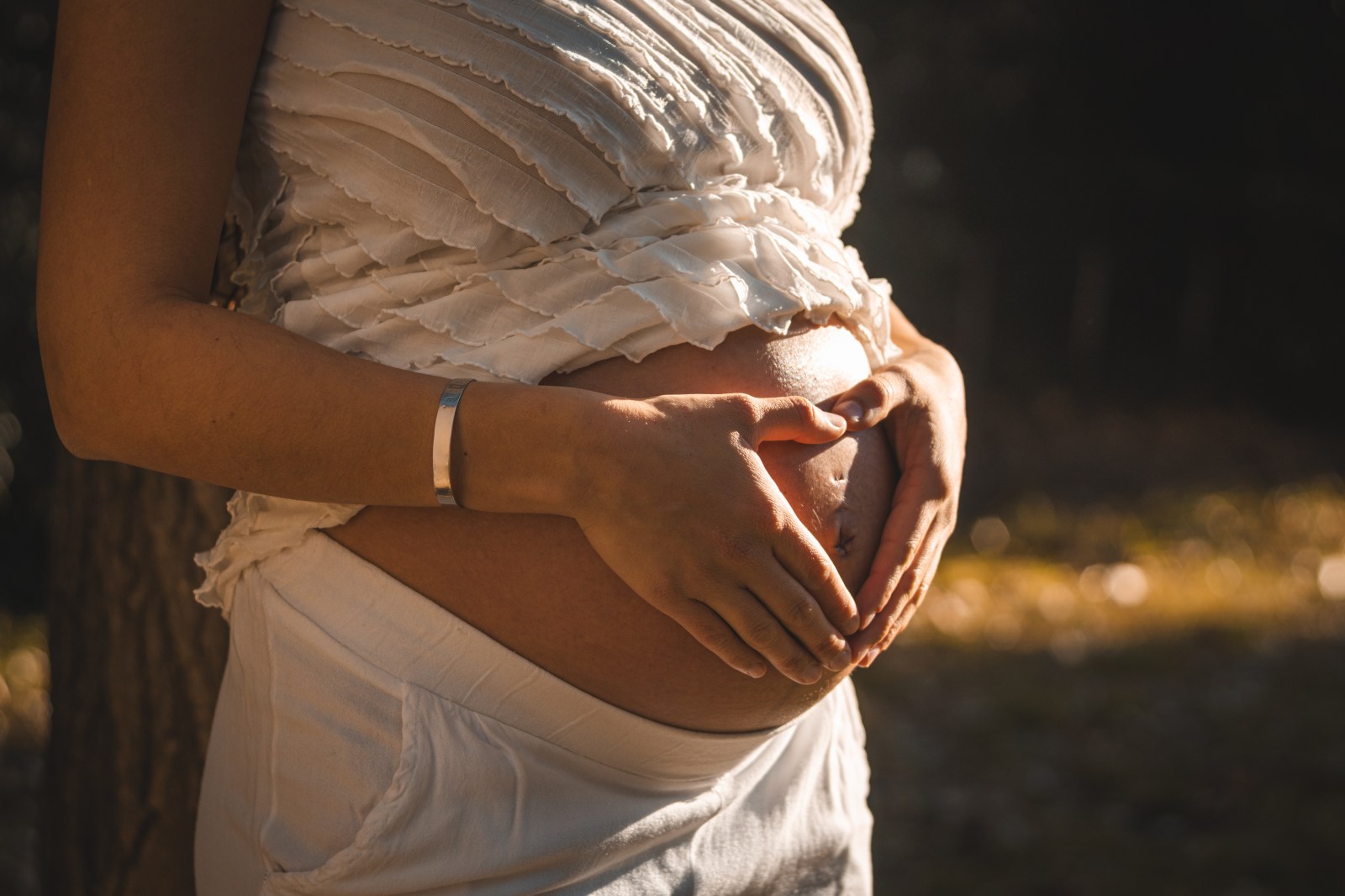
An Alaskan surrogate, McKenna West, is embroiled in a legal battle with a Californian couple over the fate of an unborn child diagnosed with a heart defect. West, an Alaskan nurse and single mother of two, has sought legal protection in Texas. She became a surrogate to supplement her income and avoid compromising her time with her children. The couple, Nausheen Gilkar and Omar Ahmed, were matched with West through the Worldwide Surrogacy Specialists agency. West became pregnant with the couple’s child, referred to as “Baby Gabriel,” in December 2025.
During a 20th-week anatomy scan, doctors identified that the unborn child had a significant heart defect known as hypoplastic left heart syndrome (HLHS). West was urged by the biological parents to terminate the pregnancy as per an abortion clause in their surrogacy agreement. However, she refused, asserting that the heart condition is treatable. The couple had requested she travel for the procedure after Alaskan doctors declined to perform a late-term abortion, but West chose not to comply. Instead, she proposed her brother as an adoptive parent for the child.
Understanding Hypoplastic Left Heart Syndrome
Hypoplastic Left Heart Syndrome (HLHS) impairs normal heart blood flow due to the improper formation of the left side of the heart during pregnancy. While it is treatable, the condition requires multiple, complex surgeries following birth. These procedures aid the right ventricle in acting as the primary chamber to pump blood to the body.
Required Surgeries for HLHS
- Norwood procedure: Performed within the first two weeks of life. Surgeons create a new aorta linked to the right ventricle. A tube helps the right ventricle supply blood to both the lungs and body.
- Bi-directional Glenn shunt procedure: Conducted when the baby is 4 to 6 months old to connect the pulmonary artery and the superior vena cava.
- Fontan procedure: Executed between 18 months and 3 years, connecting the pulmonary artery and the inferior vena cava to improve oxygen-poor blood flow to the lungs.
These surgeries improve blood circulation, though do not offer a cure. Children often experience lifelong health challenges and need regular checkups. If surgical interventions are ineffective, a heart transplant might be necessary. Although the exact causes of HLHS are not known, a mix of genetic and environmental factors are thought to increase the risk. Approximately 925 babies are born with HLHS each year in the United States.
The Multistate Legal Conflict
The dispute intensified when West, upon refusal to terminate the pregnancy, was threatened with a $250,000 lawsuit by the biological parents. They sought to establish legal parentage in California, which West claimed violated the surrogacy agreement intended to address disputes in Alaska.
The case involves the Alaska Superior Court, California Second District Court of Appeal, and a Dallas District Court in Texas. West relocated to Texas, filing for custody to secure medical intervention for “Baby Gabriel.” Texas law recognizes the birth mother as the child’s legal mother, granting West an advantage in seeking medical care there. The biological parents demand the birth occur in California, without confirming treatment assurances for the child post-birth.
The Alaska court recently ruled that California holds jurisdiction over the case. Meanwhile, a fundraising campaign to assist West legally surpassed its $40,000 target. Texas Attorney General Ken Paxton, reinforcing West’s stance, has secured an emergency order to ensure the child’s medical treatment in Texas while legal proceedings continue. Paxton stated his commitment to protecting innocent lives and ensuring appropriate medical care under Texas law.
The Texas Attorney General has directed UT Southwestern and Children’s Medical Center Dallas to prepare for the delivery and treatment of “Baby Gabriel.” The case continues to captivate attention due to its implications on surrogacy agreements and parental rights.
Leave a Reply