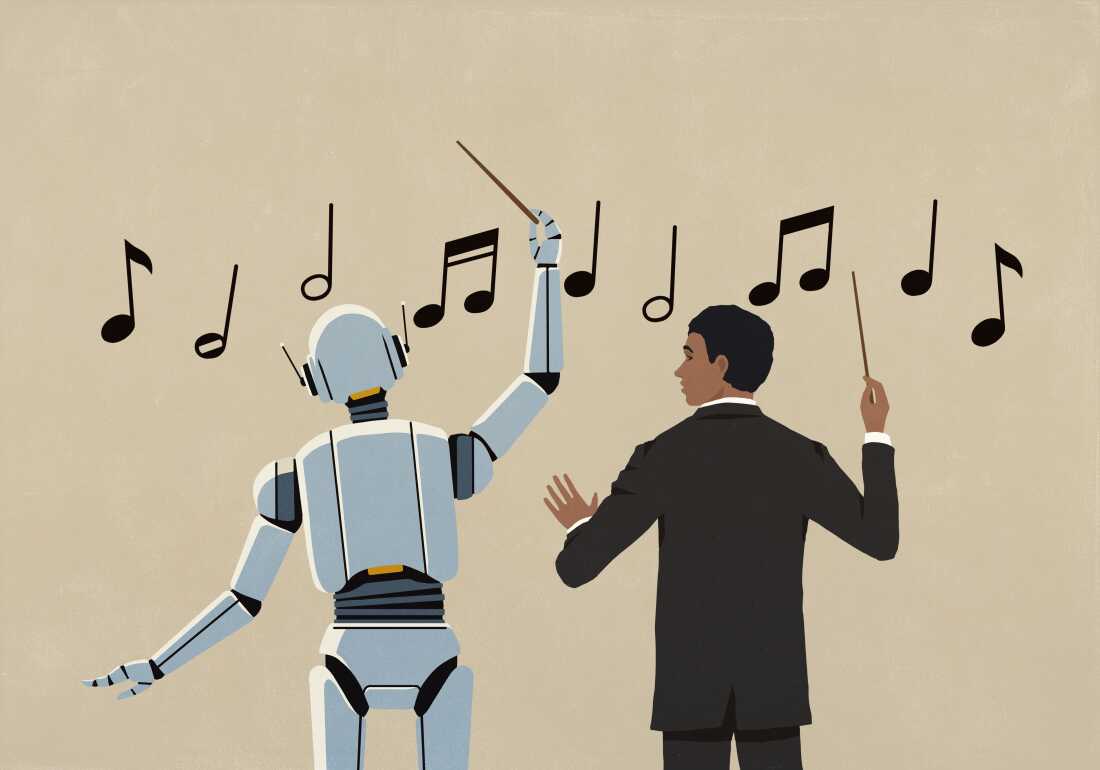
The music industry is undergoing significant shifts due to generative AI. Traditionally, using someone else’s work required permission and payment. Licensing processes were in place for sampling songs or using music in media. The industry revolved around identifying music ownership and compensating contributors.
Generative AI platforms like Suno and Udio have altered this landscape by enabling users to generate full songs, including vocals, lyrics, and instrumentation, with simple prompts. These tools are used by a wide spectrum of music creators. Notably, Suno recently announced over two million paid subscribers, underscoring AI’s influence.
The Economic Dilemma
AI music brings economic questions to the forefront. If AI models learn from millions of songs, who gets compensated? This issue is crucial as AI music begins impacting human musicians’ income.
AI Training and Transparency
The first major challenge is transparency concerning AI training datasets. Many artists remain unaware that their music was used for AI training. Journalist Alex Reisner’s AI Watchdog project reveals the extent to which artists’ work is utilized without their knowledge.
Suno’s court filings admit their training data comprises accessible music files from the internet. Even assuming this is fair use, compensation remains a contentious topic. Artists, AI companies, and users must determine who deserves payment when AI-generated songs generate revenue.
Impact on Streaming and Compensation
AI music will inevitably affect streaming economics. Platforms distribute revenue across massive song catalogs. With AI-generated music flooding these services, concerns arise that it may dilute human-made music’s share.
Entertainment lawyer Krystle Delgado highlights that both AI and human music share the same revenue pool, and the sheer volume of AI tracks challenges compensation distribution.
Some advocate for copyright regulations requiring AI models to seek permission from song owners and offer fair compensation. Ron Gubitz of the Music Artists Coalition stresses on informed consent, fair compensation, and transparency for AI usage agreements.
Legal Battles Over Copyright
The debate over AI training legality introduces complex legal battles. The Recording Industry Association of America (RIAA) filed copyright infringement cases against Suno and Udio for training on copyrighted music without permission. Major labels like Sony, Universal, and Warner are central plaintiffs.
Lawsuit outcomes have resulted in licenses for music used in AI training, with options for artists to opt in or out of training. However, legal disputes persist among labels and unions representing musicians.
A key legal question persists: Can AI companies use copyrighted music to train models without asking permission? Suno and Udio claim fair use protections. Fair use allows limited use of copyrighted work for specific purposes, but case-by-case assessments determine legality.
Delgado leads a class action against Suno and Udio, accusing them of piracy through mass-scale music use.
The Question of Value Distribution
Financial distribution remains a pressing concern. Grammy-winning songwriter Tiffany Red questions who benefits from AI-driven profits. Despite agreements between AI and music companies, individual creators’ rights and compensation are unclear.
The music industry’s confrontation with AI raises broader queries about ownership and the future economy, as highlighted by Alex Reisner. As PJ Frantz notes, AI’s impact may hinge on listener preferences, potentially driving labels to prioritize artist development and equitable practices.
Leave a Reply