Colt Gray, a teenager from Georgia, will serve life in prison without parole for the 2024 shooting at Apalachee High School, where he killed four people. This decision came from Superior Court Judge Nicholas Primm in Barrow County after three days of witness testimonies, including input from survivors, victims’ families, investigators, and mental health professionals. Gray entered a guilty plea last week for 55 charges, among them four counts of malice murder.
Those Gray killed included teachers Richard Aspinwall and Cristina Irimie, as well as students Mason Schermerhorn and Christian Angulo. Besides the fatalities, the incident left nine others wounded. Gray, 14 at the time of the shooting, could not face the death penalty under Georgia law. The legal options ranged from life imprisonment with parole to life without it.
Judge’s Remarks on Gray’s Actions
During sentencing, Judge Primm explained that while the Supreme Court rarely allows such sentences for minors, Gray’s case fit the criteria. Primm noted that Gray had been let down by his parents and society, which emphasized harmful online behaviors over real connections. Primm emphasized that such failures did not excuse Gray’s choices.
“You idolized and aimed to emulate figures who committed similar acts, seeking infamy. This was not a result of fear but a desire for notoriety,”
The judge cited evidence that Gray knew the likely punishment he faced but planned meticulously regardless. Gray had recorded his intentions, including a desire to leave a lasting impact through the pain he caused.
Impact on Victims’ Families
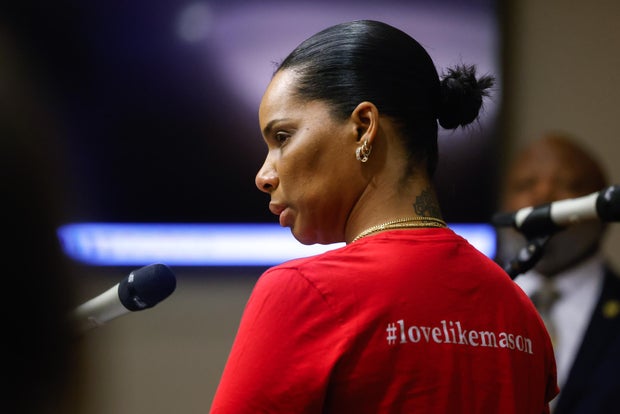
The court session began with statements from those impacted by the tragedy. Family members described enduring trauma and shared memories of their loved ones. Breanna Schermerhorn, Mason Schermerhorn’s mother, remonstrated that Mason was “much more than a victim.” The pain extended throughout families and the community.
Evidence of Premeditation
Prosecutors highlighted meticulous planning by Gray. Investigators detailed his collection of evidence, including notes, digital communications, and maps of the high school. These documented Gray’s fascination with other mass shooters, with a particular focus on Parkland gunman Nikolas Cruz.
District Attorney Brad Smith painted a picture of a calculated plan. Gray incorporated hidden references to past incidents, aiming to sustain his notoriety. He allegedly compared himself to known criminals and pursued a place among them.
Defense Scrutiny on Background and Mental Health
During the defense’s presentation, Dr. Kevin Richards, a forensic psychologist, testified about Gray’s tumultuous childhood, marked by instability and unhealthy family dynamics. Gray reportedly became isolated, delving into harmful online communities. Although prescribed medication and diagnosed with a personality disorder, evidence for more severe conditions, like schizophrenia or bipolar disorder, was lacking.
Steven Baker, a juvenile counselor, presented Gray’s behavior in custody positively, describing him as compliant and cooperative in structured programs. Baker noted that Gray demonstrated better adaptation without contact with his mother.
Family and System Failures
Candice Broce from Georgia’s Division of Family & Children Services cited a history of family neglect and abuse leading up to the shooting. She noted Gray seemed improved when contact with his mother ceased.
Prosecutors challenged these views, pointing to neglect patterns, school absences, poor hygiene, and domestic violence reports. Gray’s grandmother aligned with prosecutorial views of parental failure.
Defendant’s Father’s Legal Complications
While Gray’s decision avoided a trial in light of overwhelming publicity, his father, Colin Gray, faces upcoming sentencing on charges including providing the weapon used in the attack. This reflects the broader implications for Gray’s background contributing to the event.
Leave a Reply