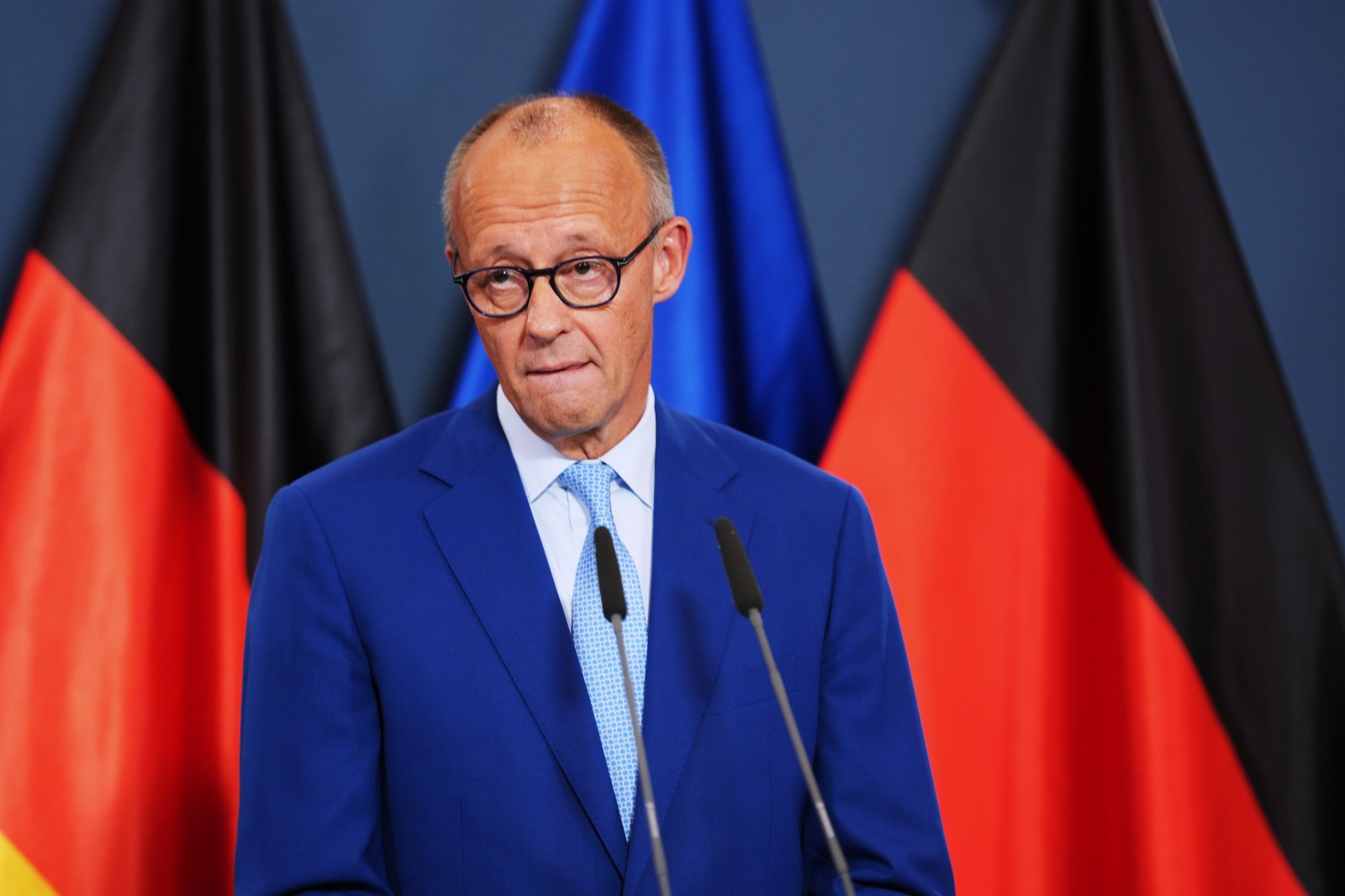
Chancellor Merz’s Response to Election Results
German Chancellor Friedrich Merz declared his intent to stay in office after his conservative alliance suffered in regional elections. The far-right Alternative for Germany (AfD) gained momentum, achieving another state-level win. In Mecklenburg-Western Pomerania, the AfD secured 37 percent, and in Berlin, 15.7 percent, according to exit polls by ARD. The Christian Democratic Union (CDU), led by Merz, fell to 5.5 percent in Mecklenburg-Western Pomerania and took second place in Berlin with 20 percent. The socialist Left Party (Die Linke) won Berlin’s election with 24.5 percent.
Merz’s Stance on Leadership
Merz described the results as a ‘disaster’ but dismissed calls for resignation. He asserted his commitment to continue steering the government despite criticism and concerns among coalition members, as reported by the Associated Press. Merz stated, “What needs to be done now requires backbone, steadfastness, and patience. I will demonstrate these qualities as chairman of the CDU and, above all, as Chancellor of our country.”
Implications of AfD’s Growing Influence
The election results highlight the increasing impact of the AfD, which appeals to voters frustrated with traditional parties over economic challenges and immigration issues. The success of the far-right party has raised alarms among European political leaders amid the rise of populist and nationalist movements.
These developments might influence Germany’s political landscape in future elections, with opposition parties observing whether the AfD’s regional achievements can convert into national support.
AfD’s Earlier Electoral Success
Before the recent election, the AfD had already made a significant impact in Saxony-Anhalt on September 6. The party garnered 43.8 percent, doubling the CDU’s 17.2 percent in that state. Although it didn’t achieve a majority, the AfD secured 39 out of 83 seats in the state parliament, marking a strong showing for a far-right party in a German state election since World War II.
While the AfD continues to gain electoral strength, mainstream German parties remain unwilling to govern with or formally collaborate with them, leaving the exercise of political power uncertain where the party finishes first.
Leave a Reply