Donald Trump transformed the Republican Party in his own image. Those who opposed him or were not supportive enough faced defeat from MAGA primary voters. Establishment Democrats are now experiencing similar pressure.
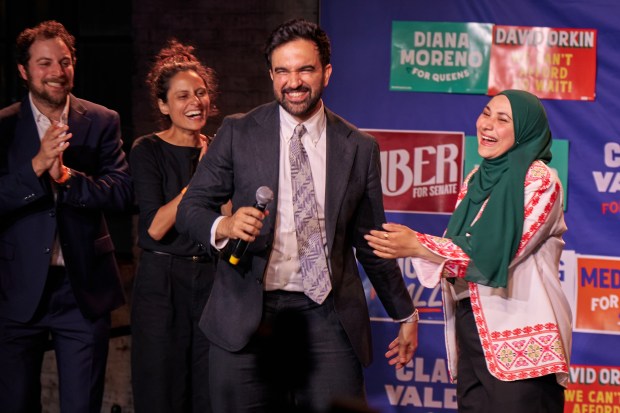
A group of democratic socialists, endorsed by New York’s DSA mayor, Zohran Mamdani, have upended traditional Democratic incumbents in New York City districts. These victories highlight Mamdani’s influence. Recently, Democratic Rep. Diana DeGette lost her primary to 29-year-old democratic socialist Melat Kiros in Denver. Kiros, despite controversial past statements, won by a significant margin. This reflects a shift among Democratic primary voters towards more radical candidates.
One of Mamdani’s endorsed candidates, Darializa Avila Chevalier, expressed radical views on immigration and voting rights. Her appearance at a controversial rally further fueled criticism. This situation has created easy targets for GOP attack ads.
This shift indicates dissatisfaction with the current Democratic leadership among urban voters. There is a desire for fresh, youthful perspectives within the party. However, the majority of Americans do not align with socialist ideologies. The media reported that Chevalier’s past social media posts contained radical ideas which she now claims to have outgrown. Yet, evidence of significant change remains lacking.
The impact of this shift is similar to changes within the Republican Party instigated by Trump. Democratic Socialists, supported by figures like Mamdani and Bernie Sanders, challenge established Democrats. This mirrors the treatment of respected incumbents in the GOP.
The internal conflict within the Democratic Party has ramifications beyond its immediate future. As political parties lean towards extremes, centrist Americans find themselves politically ‘homeless’. Similar patterns previously affected center-right constituents through Trump’s influence. Recent trends suggest the same might be happening on the center-left.
DSA successes largely concentrate in deep-blue urban areas. Traditional Democrats continue holding ground in suburban and statewide races, as seen in Chicago’s recent congressional contest. There, the suburban electorate favored an experienced mayor over a radical influencer.
Lack of a robust opposition from centrists within the Democratic Party adds to the success of DSA candidates. These socialists hold clear and energetic platforms advocating policies like Medicare for All and taxing the wealthy. Their positions resonate in urban areas but fall flat in many swing states where Democrats need to remain competitive nationally.
The irony lies in DSA activists tapping into anti-Trump energy within their own ranks, targeting fellow Democrats. Bernie Sanders has championed this movement, suggesting a broader political revolution. Success in low-turnout primaries may boost short-term wins, but could hinder long-term efforts to counter Trumpism.
A Gallup poll showed that 45% of Americans identify as independents, indicating widespread discontent with the current political climate. Both major parties risk alienating moderates through extreme partisan strategies.
The middle ground in U.S. politics remains largely vacant. The challenge for Democrats is to appeal to centrist voters seeking practical, non-ideological solutions. Aligning with figures like Kiros and Chevalier risks alienating more Americans.
Sectors like liberal Jewish voters may not support candidates who have justified controversial actions. Centrist Democrats need to assert their presence and appeal swiftly. The momentum of the socialist faction demands prompt and strategic responses.
Leave a Reply