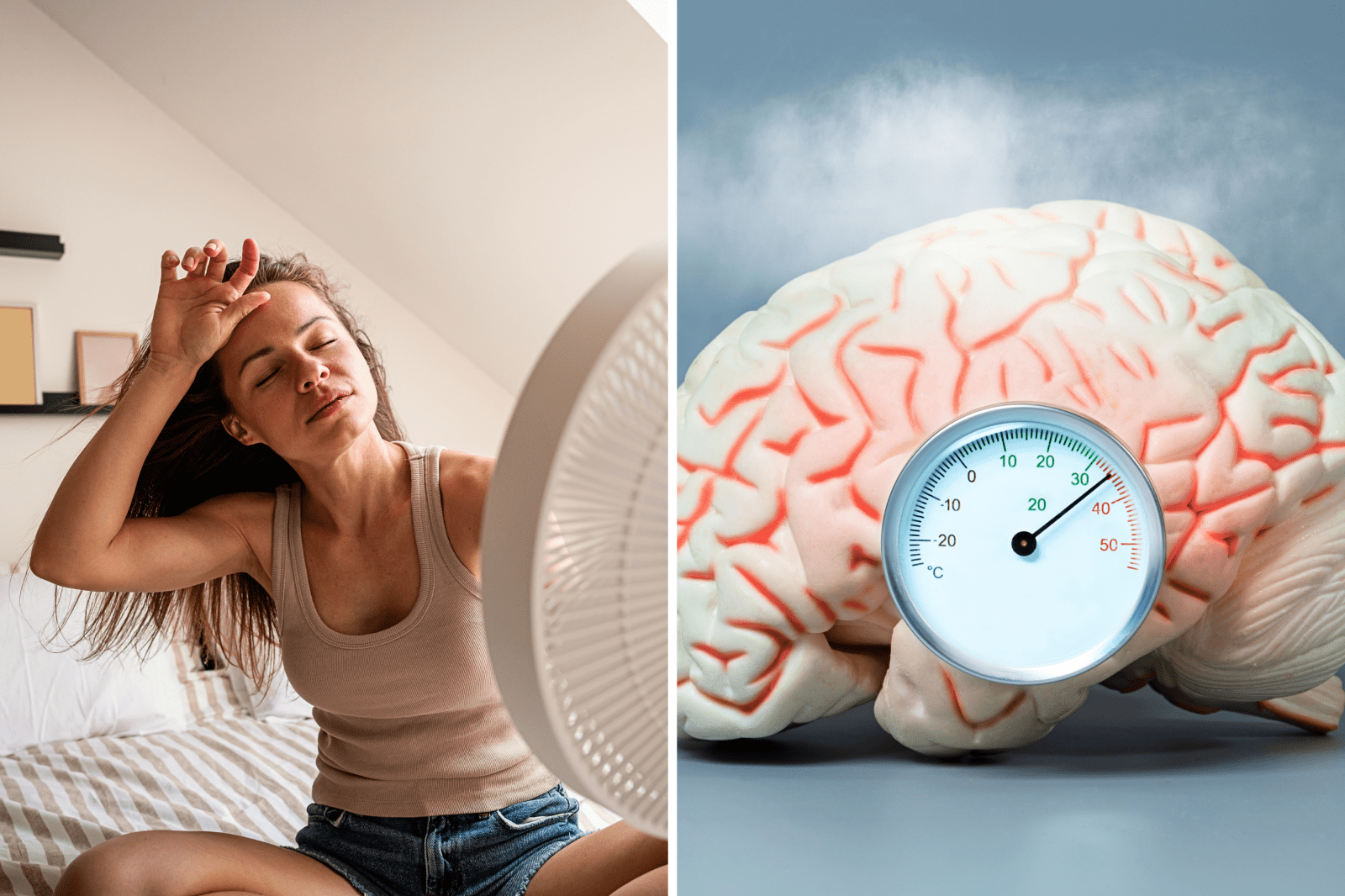
Experts warn that the room where you spend much of your life might be harming you significantly. Studies have shown that many homes maintain carbon dioxide (CO2) levels above safe limits during nighttime, despite occupants believing the air quality is adequate.
The Impact of Global Warming
Research from 2015 reported that airtight homes in Scotland showed high CO2 levels throughout winter nights. Experts revisiting these findings in 2026 noted similar issues arising from summer heatwaves. Rising global temperatures contribute to these problems, with homes struggling under the pressure of extreme conditions.
Devjoy Dev, a biomedical engineer, highlights that abrupt temperature shifts from global warming lead to severe heatwaves in areas lacking sufficient air conditioning. Bedroom materials, such as curtains and carpets, further trap heat and moisture overnight.
Effects on Sleep and Health
Dr. Ayesha Bryant observed that, on average, nighttime CO2 levels hit 1,520 parts per million (ppm) in bedrooms. While CO2 at these levels isn’t directly harmful, it indicates inadequate air circulation, affecting sleep quality and daytime performance.
As people sleep, they no longer adjust windows for fresh air, allowing CO2 and moisture buildup. In a 2022 study, researchers found cognitive function declined when CO2 levels reached 1,800 ppm, with sleep quality impacted even before reaching this point.
Dev emphasizes the importance of environmental controls, or ‘zeitgebers,’ in maintaining a healthy sleep environment. Proper management of factors like temperature and light in your bedroom is crucial.
Improving Air Quality
Poor air circulation results from factors like closed doors, insufficient insulation, and specific window orientations. Amerisleep data showed that 52% of Americans identify as hot sleepers, and many wake frequently due to heat. Women more often experience disrupted sleep from heat compared to men.
The ideal bedroom temperature is between 65–67°F, but actual temperatures often exceed this. To improve air quality, Bryant suggests ensuring vents remain clear and airing rooms when the weather permits. The practice of ‘Lüften,’ now popular online, involves opening windows fully for brief periods to refresh indoor air.
Additional measures include using dehumidifiers to maintain humidity near 60%. Address persistent heat issues by adjusting HVAC systems or installing air conditioning. Mold and condensation problems require direct treatment rather than temporary fixes.
Leave a Reply