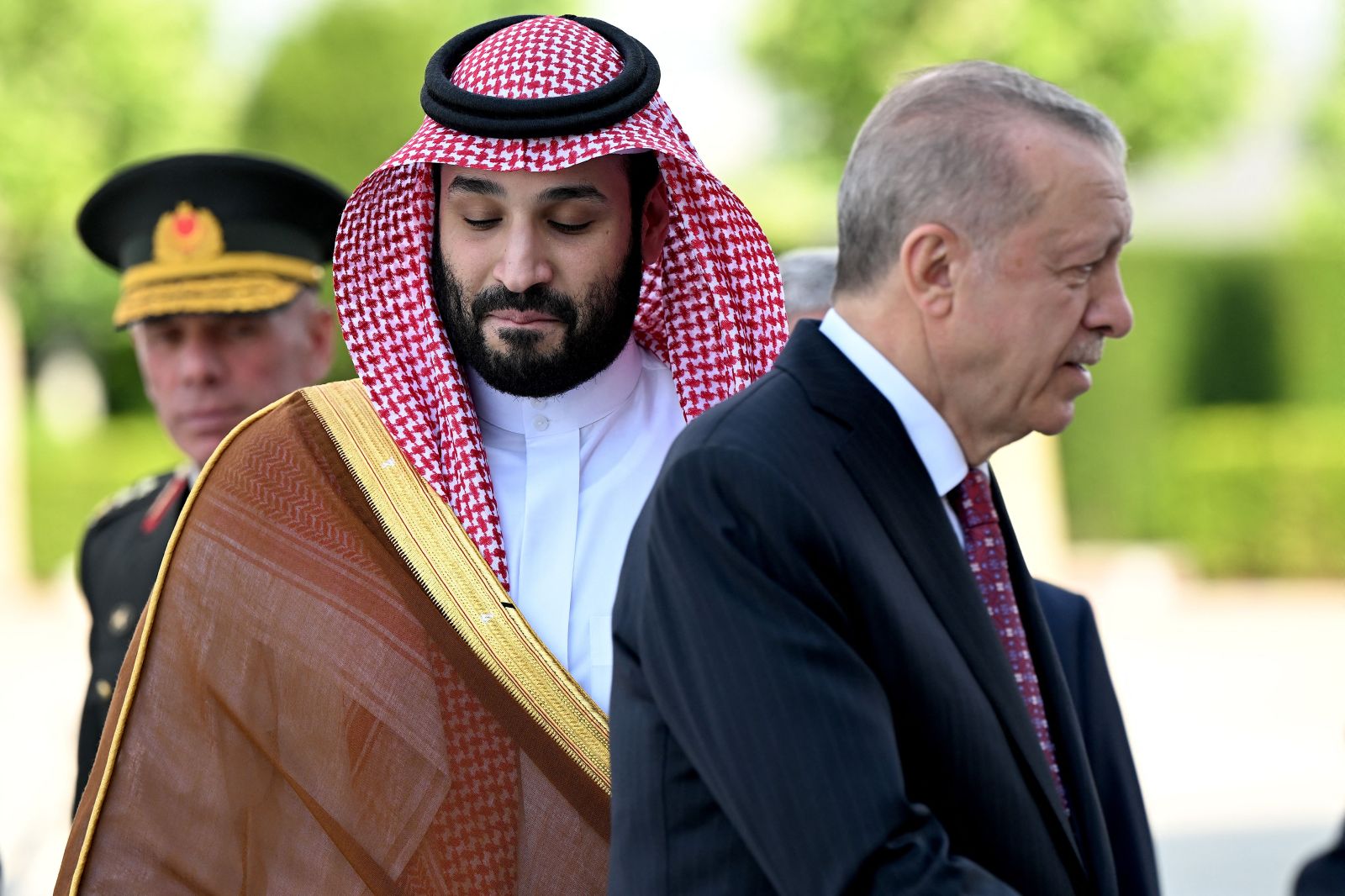
Saudi Arabia, Turkey, and Pakistan have signed a mutual-defense agreement that could alter the power dynamics in the Middle East amidst ongoing instability. The Mecca Joint Defence Agreement, finalized after extensive discussions, ensures that an armed assault on any signatory will be considered an attack on all. This creates a collective defense framework reminiscent of NATO. While the agreement’s military commitments remain unspecified, its aim is to bolster cooperation among these influential powers during a time of regional turmoil.
Significance of the Agreement
This pact elevates the stakes for any potential attack on Saudi Arabia. The agreement dictates that an assault on one member will be treated as an attack on all three, potentially involving Turkey and Pakistan in any future conflict with the kingdom. The arrangement focuses on strengthening collective deterrence, yet officials emphasize its defensive nature, stating it is not targeted at any specific nation.
Saudi Arabia’s position in the regional conflict has been precarious. Recent months have seen Iranian missile and drone attacks, along with strikes by Tehran-allied groups in Yemen and Iraq, targeting Saudi territory and its energy infrastructure. Consequently, Riyadh seeks closer security collaborations with regional partners.
The kingdom’s alignment with Turkey and Pakistan strengthens a loose coalition with nations like Egypt. Together, they aim to amplify security cooperation amidst growing competition with Iran.
Beyond the Iran Focus
The agreement also reflects a larger contest for influence in the Middle East. While Iran’s pressure on Gulf nations is a key factor, analysts highlight another alignment involving Israel, the United Arab Emirates, and India. Since the Abraham Accords, Israel and the UAE have intensified cooperation. Additionally, defense initiatives between Israeli Prime Minister Benjamin Netanyahu and Indian Prime Minister Narendra Modi are increasing, supported by multilateral actions with the UAE and the United States.
This pact is a marker within the broader competition among emerging regional blocs. Analyst Marc Saxer noted, “Israel and Iran are competing for regional hegemony, while a coalition of middle powers centered on Saudi Arabia, Pakistan, Turkey, and Egypt seeks to balance against both.” The timing is crucial as recent talks between Netanyahu and Modi suggest growing collaboration between Israel and India.
Despite past hostilities, Turkey and Saudi Arabia have increasingly cooperated. Pakistan remains a pivotal security partner for Saudi Arabia and is the Muslim world’s sole nuclear-armed state.
Looking Beyond U.S. Alliance
This agreement surfaces as Saudi Arabia, Turkey, and Pakistan navigate a changing regional landscape impacted by conflicts involving Iran and Israel, along with questions about the U.S.’s future security role. According to analysts, the ongoing conflict accelerates existing trends. Regional powers are forming more autonomous security arrangements instead of relying solely on Washington.
Abdulaziz Sager, chairman of the Gulf Research Center, told Reuters that this framework highlights growing willingness among middle and regional powers to collaborate more closely on security topics. Such coordination could foster a regionally driven security framework.
Future Implementations
A significant aspect yet to be clarified is how the pact will operate in practice. The collective defense principle is established, but a Reuters report stated the governments’ statement did not outline specific military obligations if one member is attacked. Consequently, the alliance may serve more as a deterrent and political statement rather than an instant military response.
The ramifications are evident. Should Saudi Arabia face another substantial attack by Iran or its allied entities, Tehran must now consider the potential involvement of Ankara and Islamabad. In a Middle East increasingly characterized by competing alliances and adversaries, the new pact signifies regional efforts to construct independent security arrangements, reshaping the geopolitical landscape in the shadow of the Iran conflict.
Leave a Reply