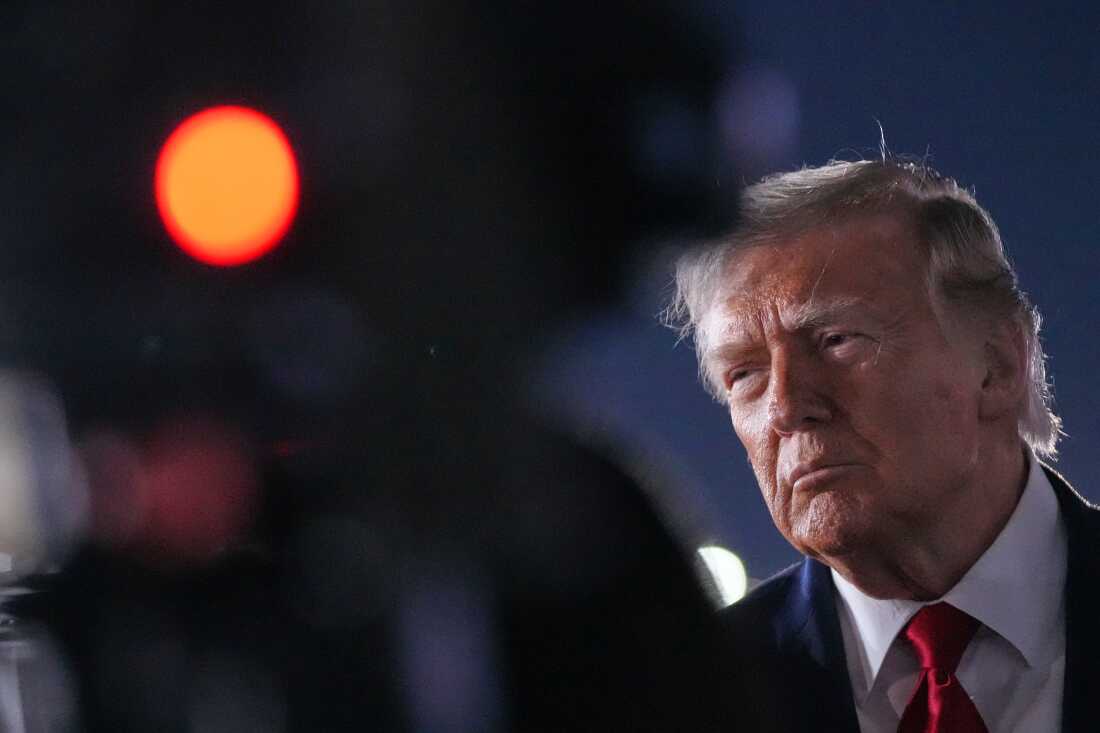
New York, June 9, 2026 — President Donald Trump spoke with reporters early Tuesday before leaving John F. Kennedy International Airport. An Apache attack helicopter from the U.S. Army crashed near the Strait of Hormuz. According to Trump, the two crew members aboard the helicopter were unharmed.
The incident occurred as tensions remained high between Iran and Israel, following a major exchange of fire that strained the existing ceasefire in the ongoing conflict. Iranian state media confirmed the crash but offered little detail.
The origins of the crash remain unknown. The Middle East was on edge after the recent fire exchange. The ongoing conflict, beginning on February 28 with U.S. and Israeli strikes on Iran, continues to impact the global economy. Energy prices have risen, affecting basic goods like food.
Despite the temporary ceasefire starting in April, a permanent resolution to the conflict remains elusive. Trump, addressing journalists after attending the NBA Finals, acknowledged the incident, saying, “The pilots are fine. Nobody injured. We are going to issue a report tomorrow.” The U.S. military’s Central Command and the Defense Department have yet to comment.
Apache helicopters play a significant role in the American military strategy, enforcing a blockade of Iranian crude oil shipments. The helicopters have also been deployed by the United Arab Emirates against Iranian drones during the conflict.
Trump’s Optimism on Iran Deal
President Trump expressed positivity about potential negotiations, claiming, “We have a good chance” of reaching an agreement with Iran “in two or three days.” However, he did not provide specific reasons for this optimism. He stated, “We’re very close to having a very, very good, strong deal.” While considering military options, Trump acknowledged the potential human cost and the strategic implications of closing the strait.
Mediators, with Pakistan leading efforts, have been pushing for a compromise. The U.S. demands Iran give up its stockpile of highly enriched uranium, possibly retained after airstrikes in the 12-day war of 2025. Iran is resisting, asking for sanctions relief and the release of frozen assets ahead of a final deal, a proposal Trump has rejected.
Leave a Reply