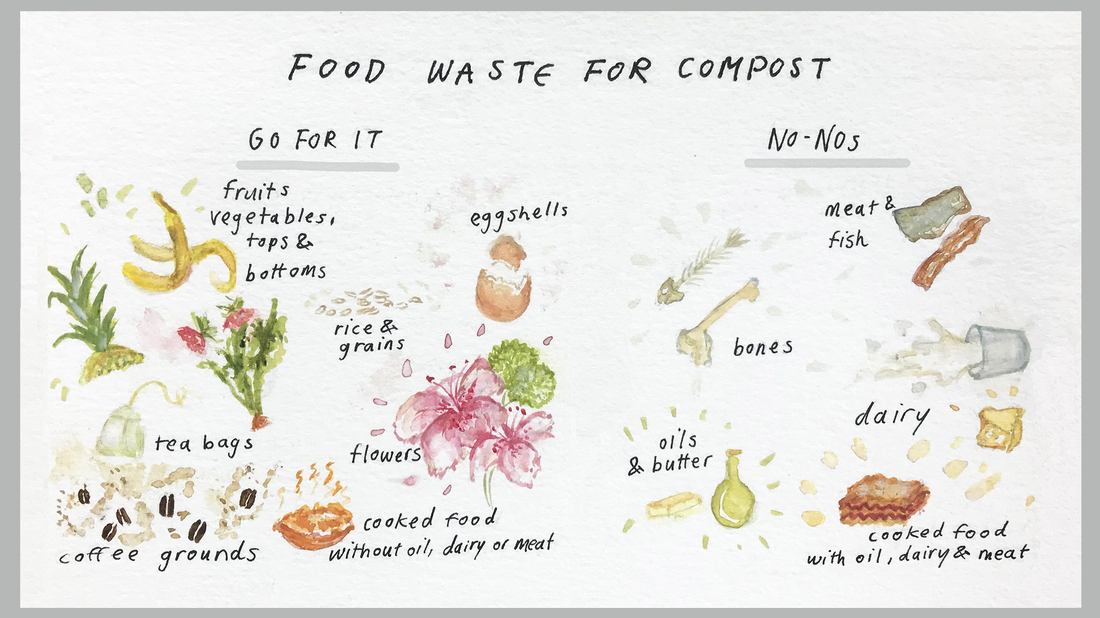
Climate change impacts food, and food influences the climate. NPR dedicates a week to exploring solutions. Wasted food contributes about 8% of global warming emissions. In the U.S., 30% to 40% of food gets wasted. Even with careful meal planning, some items like banana peels and pineapple tops won’t get eaten. Keeping food out of landfills fights climate change. Composting offers an easy home solution, regardless of living space. Follow these five steps to transform food scraps into compost.
1. Select Your Food Scraps
Begin with fruits and vegetables, such as sweet potato skins or strawberry tops. Tea bags, coffee grounds, eggshells, and even human hair work too. Avoid meat and dairy; these attract rodents according to Leonard Diggs, director of operations at Pie Ranch Farm in California. Beware of cooked food, oily items, buttery products, and bones. Note that items labeled as compostable often require industrial facilities and don’t suit home composting.
2. Store Your Food Scraps
For composting to work, kitchen scraps should layer deliberately to accelerate decomposition. Store them in containers until each addition is needed. Diggs suggests being flexible; an old milk carton suffices. Chop asparagus ends and store them in the container. Placing scraps in the freezer or fridge minimizes odors and insects.
3. Choose a Composting Location
Consider your living space. No backyard? Share a compost pile with neighbors or use a community garden. Apartment composting options include vermicomposting with worms, requiring small containers. Jeffrey Neal from Loop Closing in Washington, D.C., even made his worm box an ottoman. Ferment scraps with the Japanese Bokashi method using a sealed container and Bokashi mix. Municipalities may collect scraps. Ask local stores and markets about programs. Outdoor compost bins can be simple. Use old trash bins or wooden chests. Purchase a bin online, or create a pile alone, but keep it from walls to prevent staining.
4. Mix Your Compost
Composting involves ‘greens’ and ‘browns.’ Greens like fruit peelings and coffee grounds provide nitrogen. Browns such as egg cartons and dried leaves supply carbon. Shred paper products for better decomposition. Remember, greens are wet, browns are dry. Layer browns on the bottom and greens on top. Browns enable air and water flow, key for microorganisms. Adequate drainage prevents soggy, smelly piles. Mimic tending a fire to ensure oxygen reaches microbes. Add layers, about one or two inches thick. Top layers of browns deter flies and odors. Maintain a ratio of more browns than greens, often three or four parts browns to one part greens, or two to one.
5. Wait and Aerate
Decomposition timing varies; two months in warm conditions, up to a year if it’s cold. Turn or rotate the pile using sticks or spades. Airflow prevents sogginess. Frequent turning isn’t necessary with proper greens to browns ratio. Rotate compost once every 7 to 10 days starting out. More compost accelerates decomposition. Neal says finished compost smells pleasant, unlike the bad smell from improper breakdown. Adjust moisture or ratios if necessary. Diggs praises the smell and feel of finished compost, describing it as woody, earthy, or sweet. Use it in gardens or donate to community gardens, after notifying them first. Composting requires patience but yields rewarding results.
Resources
- Texas A&M AgriLife Extension offers a ‘compost trouble-shooting guide’ for common issues like insects or excess moisture.
- Jeffrey Neal from Loop Closing provides resources for worm composting and Bokashi.
- Oregon State offers comprehensive guides on composting and vermicomposting.
- Cornell University’s Waste Management Institute provides detailed composting instructions on their website.
Share life hacks via voicemail at 202-216-9823 or email at [email protected] for potential feature on an episode. Subscribe to the Life Kit newsletter for more tips. Story audio produced by Audrey Nguyen.
Leave a Reply