A bipartisan effort to make Daylight Saving Time permanent is advancing in the House. The House Rules Committee voted 6-4 to allow a floor vote on the Sunshine Protection Act. This bill would enable states to maintain Daylight Saving Time year-round, with an option to opt out.
The push has support from numerous coastal lawmakers and President Donald Trump, who has advocated for ending the twice-yearly clock changes. Currently, all states except Hawaii and most of Arizona observe these changes.
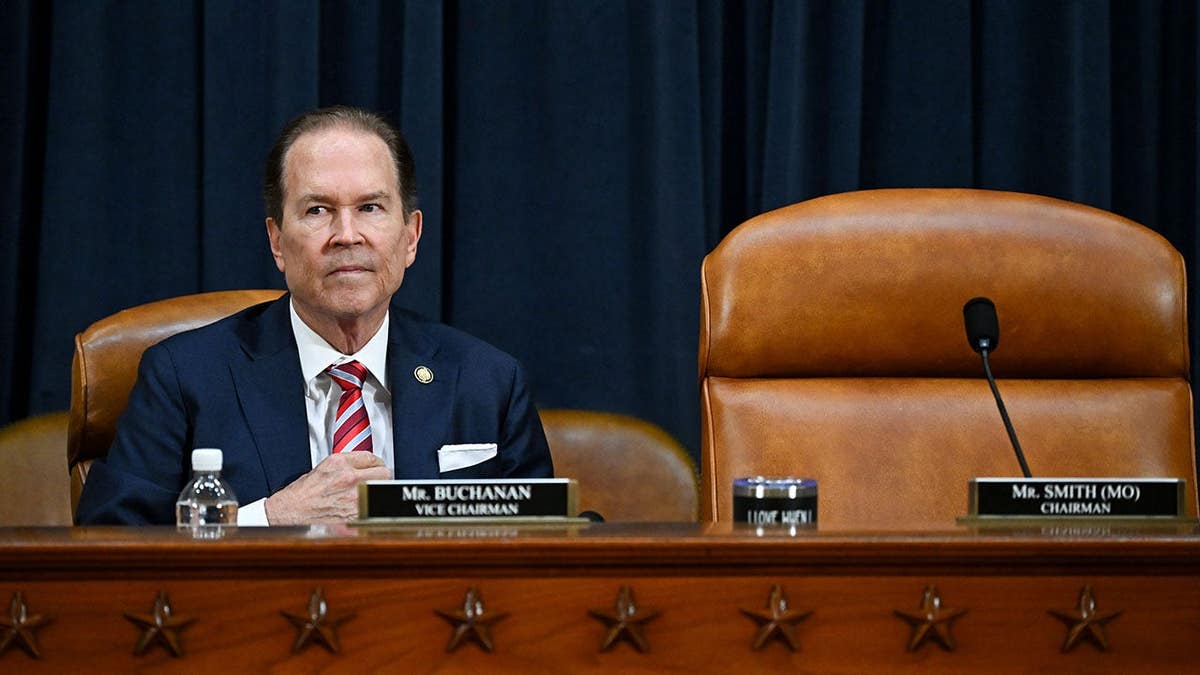
Advocates argue that changing clocks negatively impacts health, while permanent Daylight Saving Time could enhance outdoor recreation, tourism, and economic activity. Rep. Vern Buchanan of Florida stated that the change would bring several benefits, including improved public health, reduced traffic accidents, lower crime, and increased outdoor activities.
Chairman Brett Guthrie from Kentucky emphasized that locking the clock all year would positively impact sleep schedules, energy conservation, motor vehicle safety, and the economy. Guthrie noted that Americans overwhelmingly support ending the practice of ‘springing forward’ and ‘falling back.’
The legislation gained momentum after the Energy and Commerce Committee passed it 48-1. President Trump has voiced his support for permanent Daylight Saving Time, calling the biannual clock changes a ‘ridiculous production.’
“Ending the clock change is a commonsense reform that will improve everyday life for millions of Americans,” Buchanan said.
Currently, about 20 states, including Alabama, South Carolina, Oregon, Maine, and Florida, have passed legislation to make Daylight Saving Time permanent if Congress permits.
However, opposition exists, including from medical organizations that advocate for permanent standard time, suggesting it aligns better with natural circadian rhythms. Rep. Mary Gay Scanlon proposed an amendment to make standard time permanent nationwide, which was rejected. Opponents argue year-round Daylight Saving Time could pose health and safety risks, especially for children during darker morning hours.
The move follows a brief national experiment with permanent Daylight Saving Time in 1974, which ended after public dissatisfaction. Concerns over children’s health and sleep schedules were echoed by Rep. Nanette Barragán, the sole lawmaker to oppose the legislation during committee markup.
Some conservative lawmakers urge GOP leadership to focus on more pressing issues, including border security and the stalled SAVE America Act. Despite multiple House approvals, the SAVE America Act faces hurdles in the Senate due to the legislative filibuster.
Leave a Reply