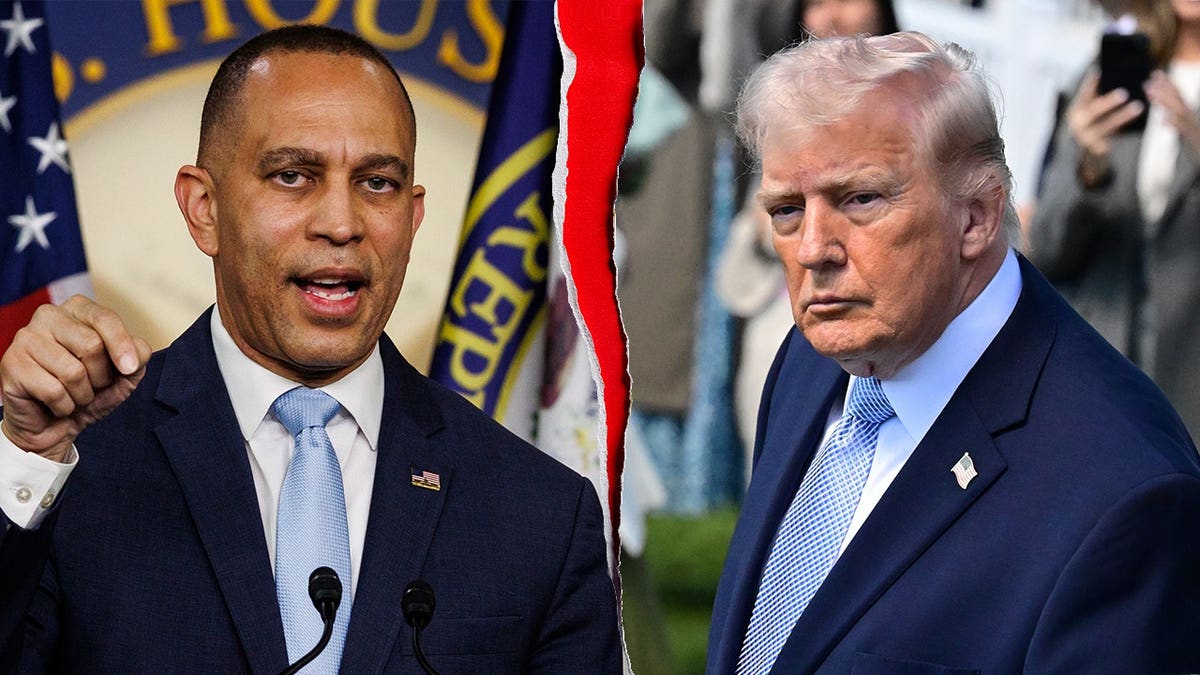
A bill to impose sanctions on Russia has reached a standstill in the House, primarily due to concerns among Democrats about granting President Trump more tariff authority. The proposed legislation passed by the Senate is viewed by its supporters as a way to exert economic pressure on Moscow, potentially leading to negotiations.
Democrats’ Concerns
The House Rules Committee has organized votes on several bills this week, including the Russia sanctions bill named after the late Senator Lindsey Graham. While many Democrats back measures to assist Ukraine, objections arise regarding sections of the bill that would enhance President Trump’s capacity to apply significant tariffs on Russia and its allies.
“House Democrats are unwavering in our support for Ukraine, but the Lindsey O. Graham Sanctioning Russia And Iran Act could cause more harm,” stated Representatives Gregory Meeks, Richard Neal, and Don Beyer.
Their opposition is rooted in the bill’s potential to broaden presidential tariff authorities without mandating sanctions on Russia, which they view as unacceptable.
House Leadership Stance
House Minority Leader Hakeem Jeffries declined to shift his stance during a recent press conference. He emphasized the need to support the Ukrainian people while addressing concerns about delegating authority to President Trump, given the Supreme Court’s recent clarification that tariff power should remain with Congress.
Bill Details
This legislation directs the president to increase tariffs by up to 500% on Russia. Furthermore, it mandates imposing significant sanctions on Russian officials responsible for perpetuating the conflict in Ukraine. Despite its advancement through the House Rules Committee, Democrats may be crucial for its final passage.
The bill, promoted by Senator Richard Blumenthal and originally championed by Graham, had been delayed for about two years. The negotiation process sought a compromise agreeable to both President Trump and Congress.
“If Donald Trump wants to break this law, the courts will restrain him, as seen in previous tariff disputes,” said Blumenthal.
Despite historical opposition to tariffs, Senate Democrats largely voted in favor due to the powerful sanctions against Russia included in the bill. Although some, like Senators Ron Wyden and Elizabeth Warren, voiced concerns, the majority supported granting limited tariff authority to Trump in exchange for stringent sanctions.
Leave a Reply